# PlayStation's Split With Hideo Kojima Marks a Turning Point for AAA Development
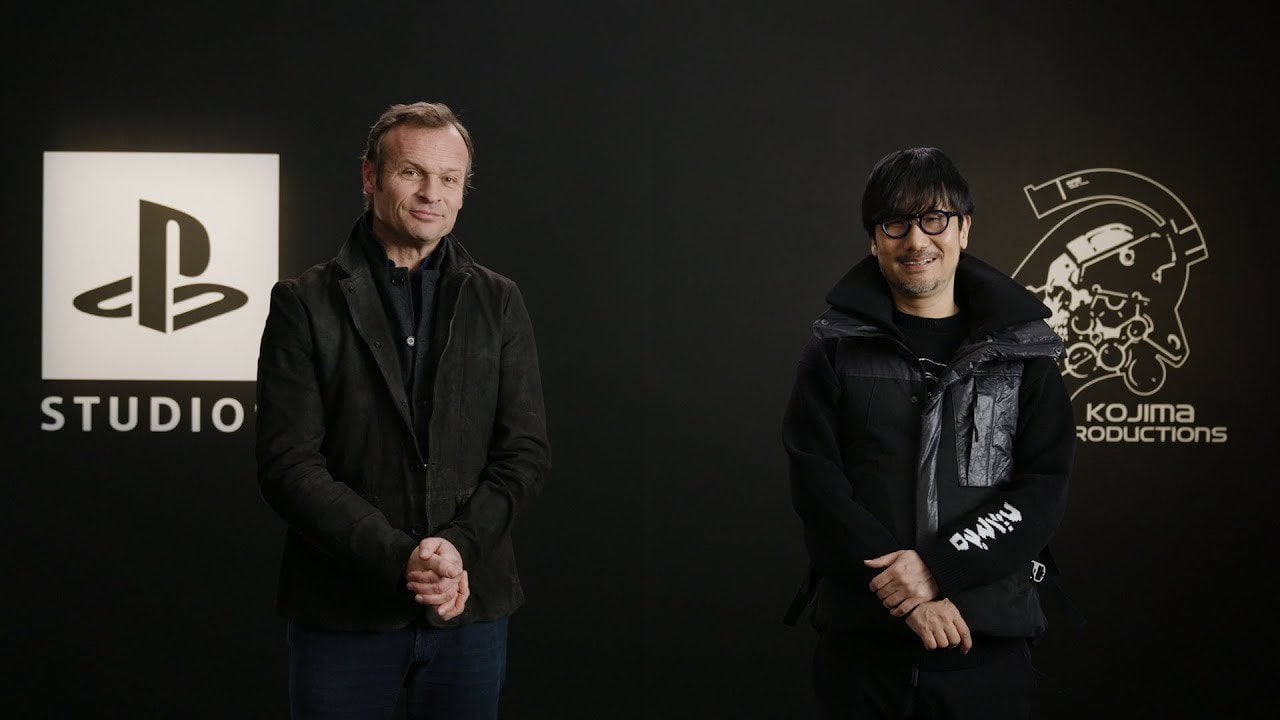
Sony Interactive Entertainment and Hideo Kojima have ended their partnership, marking one of the most significant ruptures in modern gaming history. The dissolution caps a tumultuous relationship that began with promise in 2015 when Kojima Productions signed an exclusive deal with PlayStation to develop Death Stranding, the acclaimed 2019 title that starred Norman Reedus and explored themes of connection across a fractured America.
The separation signals deeper fractures in how major publishers and auteur developers navigate creative control, financial constraints, and long-term vision. Kojima Productions will pursue independent operations going forward, effectively unfettered from PlayStation's corporate oversight but also untethered from the publisher's considerable resources.
Death Stranding's critical and commercial reception proved complicated. The game earned widespread praise for its innovative director-driven approach and experimental mechanics, yet player reception remained polarized. Some celebrated Kojima's willingness to deviate from conventional AAA design. Others found the pacing glacial and the gameplay secondary to narrative exposition. Despite middling sales initially, Death Stranding ultimately found audience traction across PlayStation 4 and later Windows PC releases, suggesting the relationship wasn't built on commercial desperation.
The breakdown reflects a broader tension within the industry. Kojima represents a dying breed of auteur game directors with near-total creative authority over projects with budgets exceeding $100 million. Publishers increasingly demand accountability for such expenditures, favoring established franchises and proven commercial formulas over singular visions. Death Stranding cost substantial resources and took years to deliver, making the partnership inherently risky for both parties.
Gaming's internet community has reacted with mixed sentiment. Some view the split as liberation for Kojima, freeing him from corporate constraints to pursue genuinely experimental projects. Others see it as a loss for PlayStation, which invested heavily in securing exclusive talent and distinctive first-party experiences during the PS4 generation. The debate reflects genuine disagreement about whether auteurs or publishers drive innovation in interactive entertainment.
The timing matters. PlayStation has shifted strategy under current leadership, emphasizing live-service games, multiplatform releases, and established IP franchises. This direction directly conflicts with Kojima's historical instincts. His career thrives on self-contained experiences with singular artistic statements. Metal Gear Solid's trajectory illustrated his creative restlessness. After completing Metal Gear Solid V, The Phantom Pain in 2015, he immediately clashed with Konami over his next project's scope and vision.
Kojima Productions now operates as a truly independent studio. The developer retains talent and established relationships with casting talent like Norman Reedus and Léa Seydoux, who collaborated on Death Stranding and its upcoming Director's Cut variants. Freedom from publisher approval processes could accelerate development cycles. It also eliminates guaranteed funding and global marketing reach PlayStation provided.
The industry watches to see what emerges from Kojima's independence. His next project likely stays smaller in scope and budget than Death Stranding, reflecting realities of operating without a major publisher's backing. Whether he partners with another platform holder, explores multiplatform releases, or pursues entirely different technology remains unclear. What's certain: PlayStation's gaming landscape loses a defining voice, while the medium gains a genuinely liberated creator. The quote encapsulating this moment, "Building the future and keeping the past alive are one and the same thing," rings hollow for a partnership that could salvage neither.