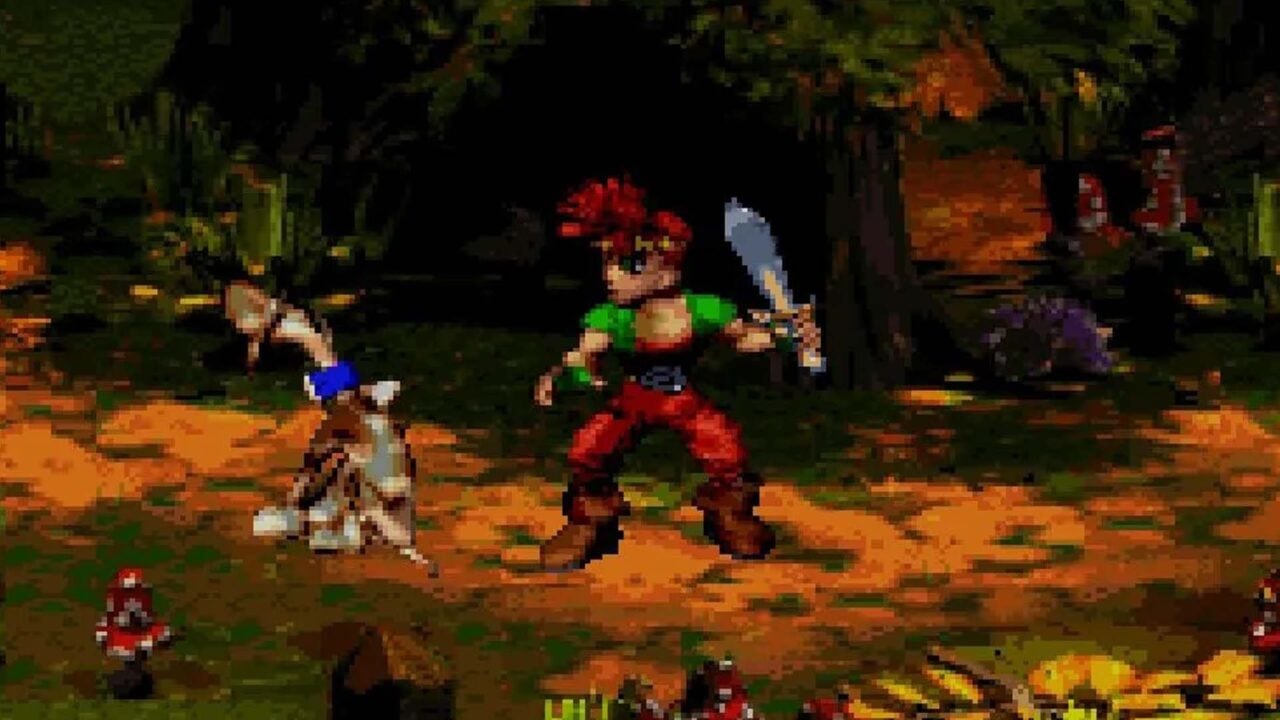
A prototype of Project Dream, Rare's legendary canceled SNES fantasy RPG, surfaced online this week after years of speculation among gaming historians. The leak emerged from a source using the username "FVCKAsha&Phil," a reference expressing frustration with Xbox's direction under leadership. The prototype is now playable and accessible to the public, marking a watershed moment for preservation of unreleased game history.
Project Dream represents one of gaming's most consequential what-ifs. Rare began development on the title in the early 1990s as an ambitious role-playing game for the Super Nintendo Entertainment System. The project consumed significant resources and time but never reached commercial release. The team eventually pivoted the technology, characters, and underlying systems into Banjo-Kazooie, the 1998 Nintendo 64 platformer that became one of the system's defining titles and cemented Rare's reputation as a creative powerhouse.
For decades, Project Dream existed in gaming lore as a phantom. Dedicated preservation communities and collectors pursued leads on existing builds. Magazines like Game Informer published occasional retrospectives based on interviews with developers, but actual working code remained elusive. The leak provides concrete evidence of what Rare envisioned before creative necessity forced reinvention.
The prototype itself reveals a game mechanically and thematically distinct from Banjo-Kazooie's brightly colored platforming. Project Dream operated as a traditional fantasy role-playing game with turn-based combat, inventory systems, and narrative progression structured differently from Rare's eventual mascot platformer. Character designs and visual assets show the studio's signature art direction but applied to a more grounded fantasy aesthetic than what players encountered in the N64 era.
The leak's timing and source carry their own narrative weight. The "FVCKAsha&Phil" username directly references Phil Spencer, Xbox's executive vice president of gaming, and suggests broader frustration within gaming communities over Microsoft's recent strategies. Xbox has faced mounting criticism regarding its exclusive content library, game quality, acquisition spending, and decisions like the Activision Blizzard buyout. This leak functioned partly as protest, using a piece of gaming history as a vehicle for expressing dissatisfaction with current industry leadership.
Game preservation remains contentious legally and ethically. Studios and rights holders typically oppose distributing unreleased materials, citing intellectual property concerns and proprietary technology. Yet preservation advocates argue that abandoned or canceled projects serve historical value that outweighs corporate interests. Project Dream's release reinforces ongoing debates about access to gaming history and who controls the narrative around defunct projects.
Emulation communities and preservation organizations have already documented and distributed the prototype across multiple platforms. The code's public availability virtually guarantees permanent digital existence regardless of takedown efforts. This mirrors earlier leaks including Windows XP source code, Nintendo's internal development tools, and unreleased builds of franchises like The Legend of Zelda.
For Rare specifically, Project Dream's emergence reopens questions about the studio's creative trajectory. The company has struggled to define itself post-Microsoft acquisition, with recent releases like Sea of Thieves receiving mixed reception. Viewing concrete evidence of roads not taken offers perspective on how different early decisions compound across decades. Project Dream demonstrates that even failed projects contain seeds of future success, a lesson increasingly relevant as game development costs climb and commercial pressure mounts.