# Nintendo's Phone Gate: Why Forcing Mobile Access for Zelda Content Misses the Mark
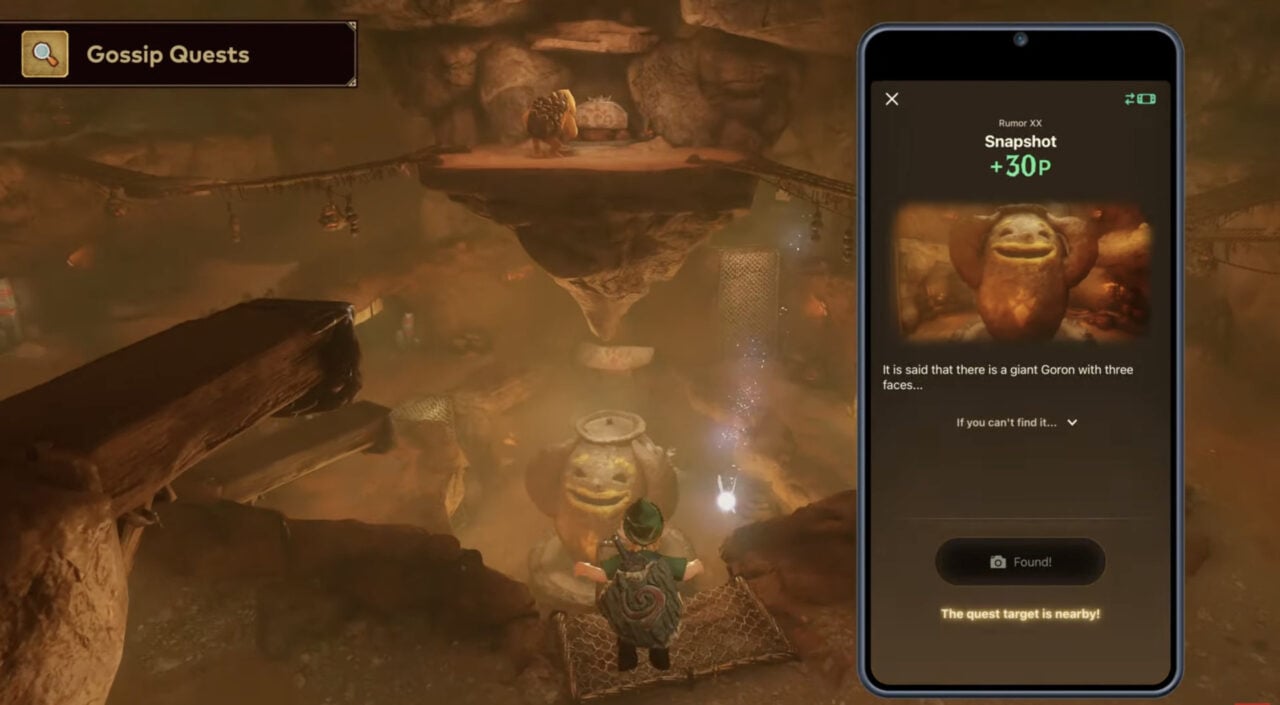
Nintendo has taken accessibility hostage in 2026. The company now requires players to use their smartphones to unlock and complete side quests in what appears to be a recent Legend of Zelda title, forcing an unnecessary split between handheld and mobile ecosystems that fragments the player experience.
This approach represents a troubling trend in AAA game design. Full content locked behind smartphone companions turns optional engagement into mandatory phone work. Players already juggle a Nintendo Switch or Switch successor for gaming; demanding they pull out a separate device to access quest content contradicts everything Nintendo preaches about seamless gameplay and console-focused experiences.
The problem runs deeper than convenience. Mobile companion apps have existed since the mid-2010s. Pokémon GO pioneered location-based interplay between phone and console. Fire Emblem Heroes experimented with cross-platform progression. Niantic's monster-catching juggernaut proved phones could extend game worlds. But those titles positioned mobile as enhancement, not requirement.
What Nintendo appears doing here crosses that line. Zelda fans expect full narratives and quest lines on their Switch hardware. The franchise built its legendary reputation on self-contained adventures where a player grabs their device, enters Hyrule, and never looks back. Fragmenting that experience demands players own multiple devices running specific software, juggle authentication systems, and manage separate interfaces.
The developer likely hoped smartphone integration would extend playtime and engagement metrics. Mobile touchscreen interactions offer design possibilities that traditional controllers cannot replicate. Companion apps generate daily login incentives. Cross-device progression creates stickiness. Publishers measure success through engagement stats. From that lens, phone requirements make business sense.
But business sense betrays design principles. Breath of the Wild and Tears of the Kingdom succeeded because they delivered complete, coherent experiences on a single platform. The Switch's hybrid nature already solved Nintendo's portable gaming challenge. Adding mandatory smartphone tethering solves no problem except shareholder value.
This matters because it sets precedent. If Zelda monetizes and fragments content through required mobile access, expect other Nintendo franchises to follow. Mario, Pokémon, Kirby, Fire Emblem. All risk becoming service games that demand constant device switching. The cozy Nintendo ecosystem transforms into platform soup where owning hardware means nothing without the phone app ecosystem humming alongside it.
The 2026 gaming landscape already pushes players toward service models and subscription demands. Game Pass, PlayStation Plus, Nintendo Switch Online create mandatory recurring costs. Throwing smartphone requirements on top layers additional friction onto purchasing decisions.
Nintendo built its modern resurgence on proving that excellent game design matters more than cutting-edge graphics or online features. The Switch proved that. But that philosophy crumbles when core content lives behind smartphone gates. Players vote with their wallets. If Nintendo keeps this practice, it signals that franchise tradition matters less than engagement metrics and mobile monetization.
Zelda deserves better. Players deserve better. Nintendo knows better.