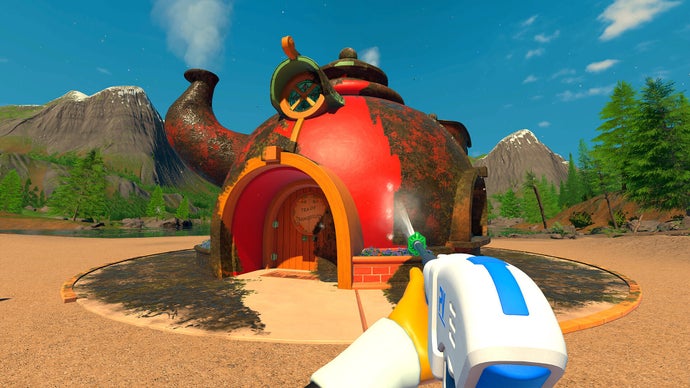
FuturLab, the studio behind the breakout hit PowerWash Simulator, laid off seven staff members and cancelled a multi-year project without public announcement. The cuts occurred earlier this year but remained undisclosed until now.
PowerWash Simulator became a surprise phenomenon after its 2023 launch on PC and PlayStation platforms. The title's meditative gameplay and viral appeal turned it into a commercial success, generating substantial revenue across digital storefronts. The game arrived on Nintendo Switch in 2024, expanding its reach further.
The layoffs represent a sharp reversal for a studio that appeared to be riding momentum. FuturLab did not disclose the cuts or project cancellation through official channels. The studio's silence on these matters contrasts sharply with standard industry practice, where most developers issue press releases during staffing reductions. The unrevealed project that was scrapped had spent several years in development, suggesting FuturLab invested considerable resources before the decision to kill it.
Context matters here. The broader game industry has faced severe headwinds in 2024. Major studios including Ubisoft, Embracer Group, Bandcamp, and Splash Damage implemented significant layoffs. Mid-tier developers faced particular pressure as publishing deals dried up and budget constraints tightened. Even successful indie hits cannot guarantee stable employment or green-light continuous projects, particularly when parent companies or investors demand profitable pipelines.
FuturLab operates under Square Enix ownership. The Japanese publisher acquired the studio in 2021 to strengthen its internal development capabilities. Square Enix has maintained a scattered portfolio of acquired studios, with mixed results. The conglomerate has faced intense scrutiny over its acquisition strategy, particularly when studios undergo restructuring post-takeover.
The timing of FuturLab's cuts aligns with broader Square Enix struggles. The publisher reported disappointing financial results throughout 2024, prompting internal reviews and reorganizations. Whether FuturLab's layoffs stem from Square Enix directives or autonomous studio decisions remains unclear. The silence surrounding both the cuts and the cancelled project raises questions about management transparency.
For FuturLab staff, the situation presents harsh realities. Seven positions represent a meaningful reduction for a mid-sized indie-focused studio. Those affected lose income without prior warning. The gaming industry rarely offers robust severance or transition support, forcing displaced developers to seek work immediately in a crowded job market already saturated with laid-off talent.
The cancelled project's identity matters for industry trajectory. Multi-year development cycles require stable funding and team continuity. Cancelling such a project suggests either the game failed to meet internal quality benchmarks, Square Enix redirected resources elsewhere, or profitability projections fell short. Without details, speculation fills the void.
PowerWash Simulator continues operating and generating revenue. The game remains active on Steam, PlayStation, and Switch. FuturLab will presumably maintain the title with minimal post-launch support, but reduced staff limits future expansion or sequel development. The studio's prospects now depend entirely on whether Square Enix commits additional resources or allows the operation to coast on PowerWash Simulator's sustained sales.
The broader lesson stings. Even viral indie hits do not guarantee job security. FuturLab's silence underscores how developers often absorb bad news privately while studios protect public-facing narratives. Transparency remains rare when cuts happen.