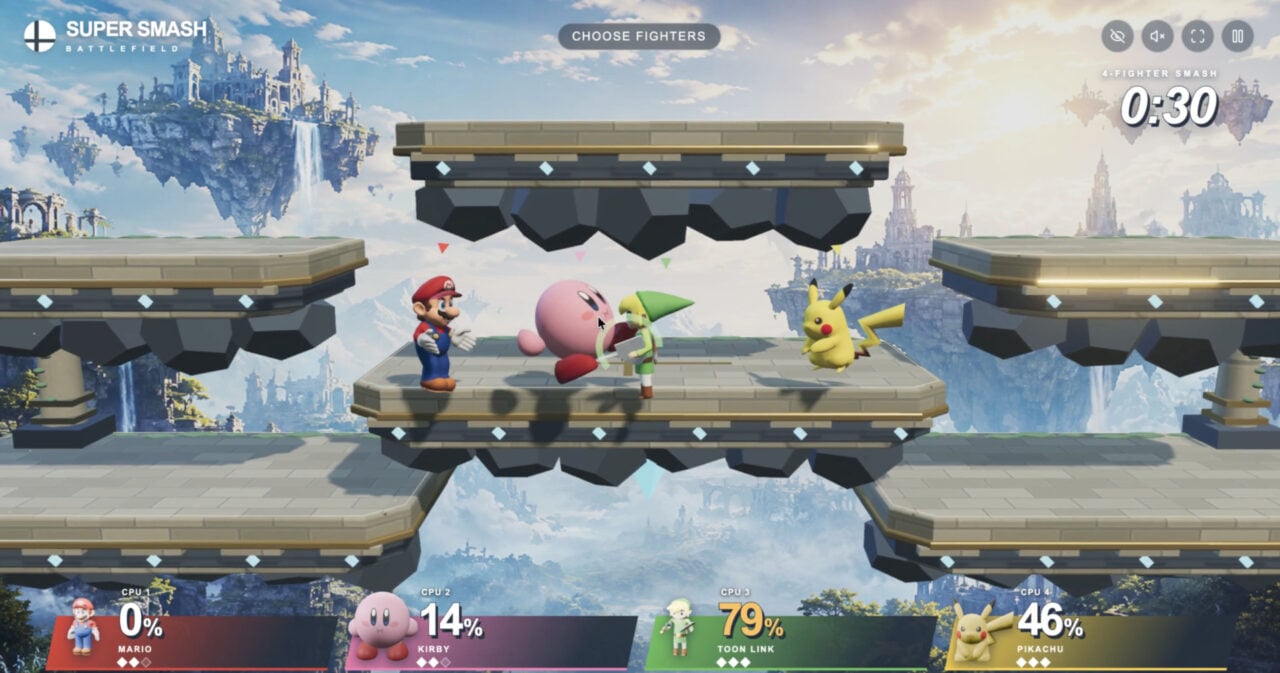
OpenAI's new Astra model marks a turning point for game development tools, but not necessarily the one the industry wanted. The system allows users to rapidly remix and rebuild existing games through natural language prompts, democratizing what once required specialized programming knowledge. Yet the infrastructure costs to run these AI-generated titles suggest the technology creates more problems than solutions for players.
Astra represents a technical leap forward. Developers and hobbyists can now describe modifications to existing games in plain English, and the AI reconstructs or reimagines them on the fly. Want to turn a 2D platformer into an isometric adventure? Describe it. Need to swap mechanics from one game into another's framework? The model handles the translation. This accessibility shifts game creation from gatekept expertise to something approaching democratized production.
The catch arrives immediately. Playing Astra-generated games demands significant computational resources. Unlike traditional games that run locally after installation, these AI reconstructions require cloud processing. The server infrastructure needed to handle real-time game generation costs money. Those expenses flow downward to players through subscription fees, higher game prices, or premium tiers for smoother performance. The cheaper creation process inverts into expensive consumption.
Quality degradation accompanies the convenience. Early examples show Astra games perform worse than their source material. Animations stutter. Physics behave unpredictably. User interfaces become inconsistent. The AI excels at rapid iteration but struggles with the polish and optimization that ship titles demand. Games built by Astra often feel like functional prototypes rather than finished products. Players experience the worst of both worlds: inferior gameplay paired with infrastructure overhead.
This creates a paradox in game economics. Studios benefit from rapid asset remixing and accelerated development cycles. Publishers see potential for endless variations on successful IP without funding traditional sequel development. But players inherit the costs, both monetarily and through diminished experience quality. The savings accumulate at the production end while the burden shifts to the consumer side.
Kotaku's framing highlights a genuine tension in AI game development. The technology solves a studio problem, not a player problem. Developers wanted faster iteration. They got it. Players wanted better games or cheaper access. They're getting neither. Instead, they're paying premium prices for games that feel like expensive, cloud-dependent proof-of-concepts.
The broader industry implication cuts deeper. As generative AI tools proliferate through development pipelines, the pressure intensifies to deploy them everywhere regardless of actual benefit. Astra generates playable games faster, so studios adopt it. The technology's mere existence becomes justification for its use. Quality and player experience take secondary priority to production efficiency and margin improvement.
OpenAI's system works exactly as designed. It remakes games efficiently. But "efficient" doesn't equal "better." The gaming market now faces a choice between creatively stagnant but affordable traditional titles, or expensive, technically fragile AI-remixed experiences. Neither option serves players particularly well. The real winners remain concentrated at the development and publishing layers, where Astra cuts costs and accelerates output. Everyone else inherits the infrastructure burden.