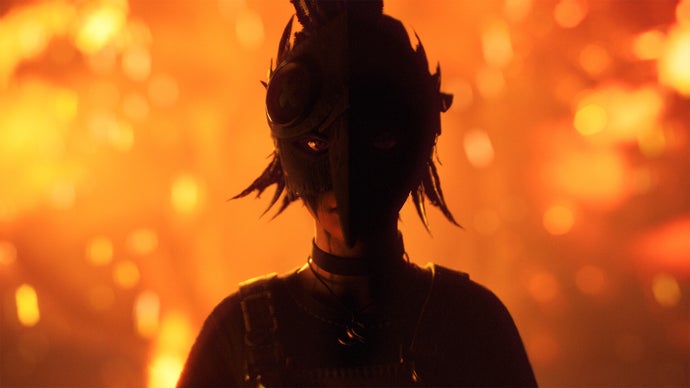
Don't Nod, the studio behind the narrative adventure series Life is Strange, faces an existential crisis. The company has formally disclosed "material uncertainty regarding the company's ability to continue as a going concern beyond January 31st, 2027." This language, common in financial filings when a business questions its survival, signals serious trouble.
The French developer now negotiates with unions representing staff over potential layoffs as part of what leadership calls a "transformation project." Up to 90 jobs could be eliminated, striking hard at a studio that has built its reputation on character-driven, choice-based storytelling.
Don't Nod created Life is Strange in 2015, a breakout indie hit that spawned multiple sequels and spinoffs including Life is Strange: True Colors. The studio has also developed Vampyr, Twin Mirror, and Tell Me Why. These projects established Don't Nod as a specialist in narrative-heavy experiences where player decisions reshape outcomes. The studio's catalog resonates with players who value story over spectacle.
The financial crisis emerges amid broader industry contraction. 2024 saw record layoffs across gaming, with major publishers and independent studios cutting thousands of positions. Reasons varied: post-pandemic spending pullbacks, failed game launches, AI investment pivots, and publishing consolidation all contributed. Don't Nod's struggles fit this pattern while reflecting specific pressures on mid-sized independent developers.
Financial stability matters acutely for narrative studios. Development cycles for story-driven games span years. Publishing deals collapse or underperform. Player engagement with narrative experiences fluctuates. Don't Nod likely faces a combination: incomplete revenue from recent releases, mounting operational costs, and difficulty securing funding for future projects. The January 2027 deadline suggests the studio has runway measured in months, not years.
Union involvement complicates the situation. Many game developers unionized in recent years, particularly in North America and Europe. When studios announce layoffs, unions negotiate terms including severance, benefits continuation, and advance notice. Negotiations themselves signal that cuts are likely, not speculative. The union will push for protections; management will push to minimize costs. This process typically takes weeks.
The transformation project language suggests Don't Nod might pivot away from traditional narrative adventures. Perhaps the studio considers live service models, outsourced work, or smaller team structures. Transformation projects sometimes save studios. Often they fail. Players invested in Don't Nod's story-first identity now face uncertainty about whether the studio survives in recognizable form.
Several projects remain in flux. Any unannounced sequels, spinoffs, or new IPs tied to Don't Nod likely stall during negotiations. Publishers holding contracts with the studio will monitor the situation closely. If Don't Nod collapses, licensing rights, unfinished games, and existing IP could change hands.
The January 2027 deadline looms as a hard boundary. Either Don't Nod secures funding, reverses financial decline, or ceases operations. No narrative twist or player choice determines this outcome. Only capital, published games, and market conditions do. The studio that helped define choice-based narrative games in the modern era now faces a choice imposed entirely by external forces.