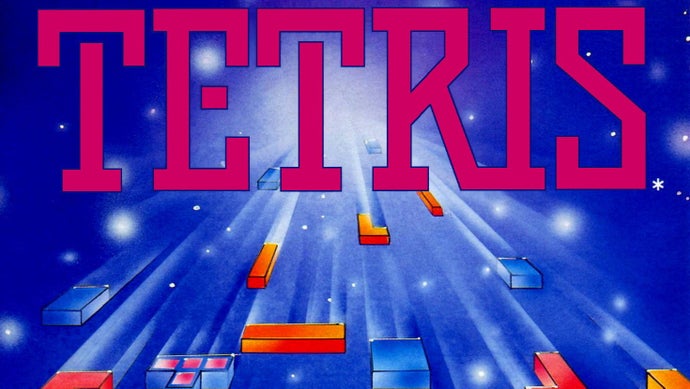
The Tetris Company issued a formal rebuke against the U.S. government after a Trump administration parody game called Build the Wall leveraged the iconic block-stacking mechanics without authorization. The company hinted at legal action.
Build the Wall premiered last week as a browser-based game that replaces Tetris' line-clearing gameplay with border-defense mechanics. Players stack colored bricks along "the Southern border" to eliminate zombies of matching colors. The game frames immigration through the lens of undead invasion, translating the Trump administration's border security messaging into interactive form.
The Tetris Company's response was notably restrained, which makes the threat of litigation more pointed. The company stated: "We believe in the power of connection, in the ability of the Tetris brand to unite players across the world in a way that transcends politics, nationality, and language." The statement implies that Build the Wall violates both the brand's apolitical positioning and likely its intellectual property protections.
This clash sits at the intersection of brand control, political speech, and game design. Tetris, created by Soviet engineer Alexey Pajitnov in 1984, has maintained a carefully cultivated neutral stance across four decades. The franchise belongs to the Tetris Company, which licenses the brand globally. Ubisoft, Blue Planet Software, and major mobile platforms all operate under strict licensing agreements that govern how Tetris content appears.
The parody weaponizes that recognition. Build the Wall doesn't require players to understand complex game mechanics; the Tetris format itself carries decades of cultural weight and familiarity. Casual players can immediately engage with it precisely because they recognize the core loop, even if the thematic wrapper shifts from abstract puzzle-solving to border militarization.
Legal exposure runs in multiple directions. The U.S. government almost certainly used Tetris' visual language, grid system, and core loop without a license agreement. Trademark law protects against dilution, which occurs when a mark's distinctive quality weakens through unauthorized use. The Tetris Company has defended its IP aggressively for years, cease-and-desisting fan projects and unlicensed developers.
But there's a secondary layer: using Tetris to promote a specific political agenda potentially damages the brand's international appeal and carefully maintained neutrality. The Tetris Company licenses its product to hundreds of platforms and regions. If governments can repurpose Tetris for propaganda without consequence, the brand loses control over its own cultural narrative.
The game's timing matters. Build the Wall arrived during an election cycle when border security remains central to campaign messaging. Whether the game originated from the Trump campaign, a super PAC, or a federal agency remains unclear from available reporting, but the alignment is deliberate.
The Tetris Company's mildly worded statement masks genuine legal jeopardy. IP holders rarely telegraph litigation through polite language; this phrasing suggests the company is preparing to move forward. Precedent favors aggressive trademark defense. Nintendo, Activision Blizzard, and other major publishers routinely litigate over unauthorized use of their properties, even when the infringement seems minor.
Build the Wall demonstrates how gaming's mechanics and visual language have become sufficiently universal that they attract political appropriation. The incident forces the Tetris Company to defend not just its trademark but also its brand positioning as a tool for global connection rather than national division.