# The Story Behind Silent Hill: Downpour and Its Haunting Take on Psychological Horror
Tomm Hulett, producer and writer on Silent Hill: Downpour, sat down to discuss how Konami's 2012 psychological horror title approached the franchise's core themes differently from its predecessors. Released on PlayStation 3 and Xbox 360, Downpour arrived during a transitional period for the Silent Hill series, following the critical and commercial success of Silent Hill 4: The Room and the divisive reception of Homecoming.
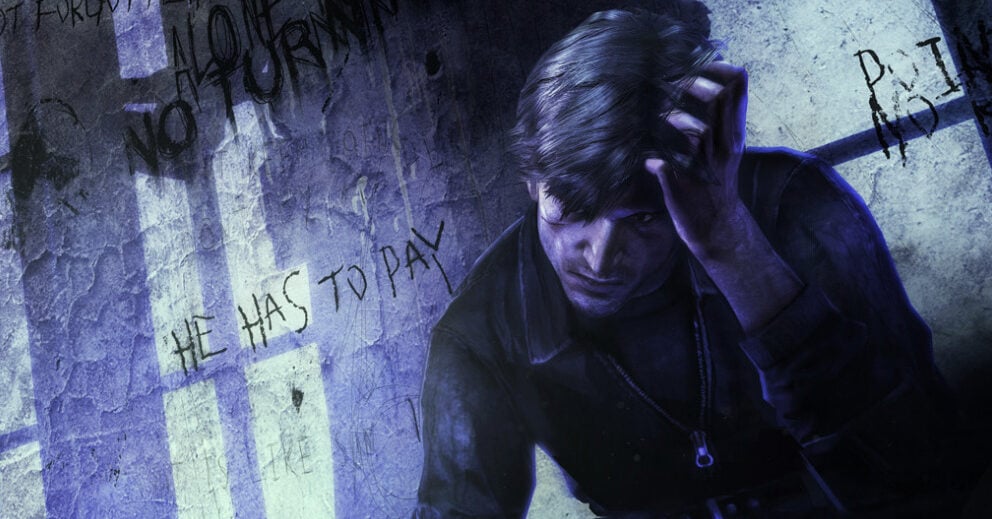
Downpour centers on Murphy Pendleton, an escaped convict seeking redemption in the fog-shrouded town. Hulett emphasizes that the game deliberately pivots away from the series' trademark punishing combat mechanics. Instead of forcing players into frequent firefights against grotesque creatures, Downpour prioritizes evasion and psychological tension. This design philosophy reflects a broader industry shift toward atmosphere-driven horror over action-heavy survival gameplay, something games like Amnesia: The Dark Descent had proven viable on PC just two years earlier.
The writing team explored themes of penance and moral consequence through Murphy's journey. Unlike previous protagonists defined by family tragedy or supernatural connection to Silent Hill, Murphy's ties to the town stem from his violent past. This narrative framework allowed Hulett and his team to interrogate whether redemption exists for people deemed irredeemable by society. The town itself becomes less a manifestation of collective trauma and more a reflection of individual guilt.
Downpour's environmental storytelling diverges from earlier entries too. Side quests and optional zones present stories of other victims trapped in Silent Hill's cycle. Hulett notes these narratives don't directly impact the main plot but enrich the world and its mythology. Players can ignore them entirely, reflecting player choice that Silent Hill 2 pioneered but Homecoming had largely abandoned.
The game's multiple endings system returns, with player decisions throughout the campaign influencing which conclusion Murphy receives. Hulett confirms these endings feel earned rather than arbitrary. The "Forgiveness" ending, achievable only through specific moral choices, represents the thematic culmination of Murphy's arc.
Konami's internal production challenges shaped Downpour's final form. Hulett acknowledges the team worked within significant constraints, both technical and budgetary. The fog-heavy aesthetic became a practical necessity on 360 and PS3 hardware while reinforcing the game's dread. Technical limitations transformed into thematic strengths, a pattern seen across indie horror development.
Despite strong critical reception for its atmospheric design and narrative depth, Downpour underperformed commercially. Horror game audiences gravitated toward established franchises like Resident Evil or emerging indie titles. Konami's decision to essentially abandon mainline Silent Hill development afterward speaks to the commercial reality facing mid-budget horror properties in the 2010s.
Hulett's interview reveals a team genuinely invested in Silent Hill's psychological roots rather than franchise obligation. They understood the series thrived on vulnerability and atmosphere rather than combat prowess. Downpour represents a forgotten attempt to reinvigorate the franchise through thematic depth and player agency, arriving just as the industry began fragmenting into AAA blockbusters and indie experiments.