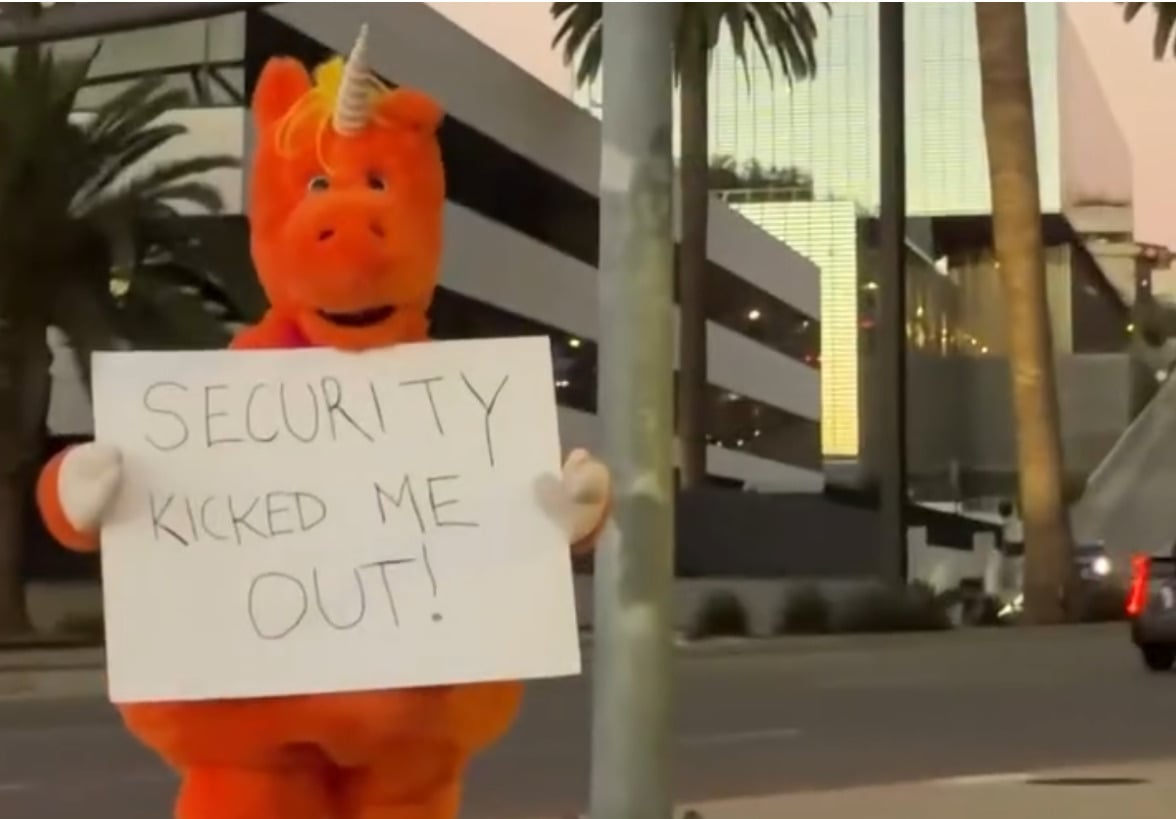
Universal Studios has removed Buddy the Unicorn from its Halloween Horror Nights event, marking a notable shift in the annual horror celebration's character roster. The decision reflects the theme park's ongoing effort to curate increasingly intense and film-focused experiences for attendees during the October season.
Buddy the Unicorn had previously served as a comedic relief character within the event's lineup. Universal's choice to eliminate the character signals a strategic pivot toward darker, more cinema-centric attractions that align with the "movie maniacs" the park explicitly targets in its marketing. This move demonstrates how even established theme park traditions face revision when parks reassess their brand positioning.
Halloween Horror Nights has grown into one of Universal's premier seasonal draws, consistently attracting crowds willing to pay premium prices for immersive horror experiences based on franchises like "The Walking Dead," "A Quiet Place," and "M3GAN." The event spans multiple theme parks including Universal Orlando Resort and Universal Studios Hollywood, with each iteration featuring original mazes, scare zones, and character encounters designed to test attendee nerve levels.
The removal of Buddy represents a broader industry trend. Theme parks increasingly optimize experiences for specific demographic targets rather than maintaining all-ages appeal within event spaces. By eliminating lighter fare, Universal signals confidence in its core audience's preference for sustained horror atmosphere over tonal variety. This contrasts with how parks traditionally balanced thrills with moments of levity to prevent attendee fatigue.
Universal's decision also reflects maturation within the Halloween event space itself. When Halloween Horror Nights launched in 1991, the event needed broader appeal to establish itself as a destination experience. Three decades later, the event's brand recognition allows the park to narrow its focus. Dedicated horror enthusiasts now form the primary audience, justifying removal of elements that interrupt immersion.
The character's departure doesn't leave a void in Universal's entertainment infrastructure. The park compensates by expanding maze count and introducing new licensed properties. This season's lineup continues expanding with additional movie franchises, ensuring the event remains anchored in cinematic horror rather than mixed-tone entertainment.
Buddy the Unicorn's exit reveals how theme parks treat character rosters as dynamic assets rather than permanent fixtures. Similar characters have previously cycled in and out of Halloween Horror Nights without generating significant discussion. What distinguishes this removal is the clarity with which it announces Universal's strategic direction: horror-focused, film-centric, intensity-optimized.
For attendees, the shift presents no immediate disruption. Thousands of scare actors, dozens of mazes, and licensed attractions from major studios continue delivering the visceral experiences that drive ticket sales. For Universal, the decision streamlines operations and reinforces brand positioning during a season that generates substantial revenue.
Halloween Horror Nights remains among the most profitable seasonal events in the theme park industry, with Universal consistently reporting strong attendance figures during October. Buddy's departure illustrates how the company refines every element within its horror offerings to maximize engagement within its target demographic. The unicorn's removal represents not a retreat but a sharpening of focus on what Universal's most dedicated customers actually want from their October nights.