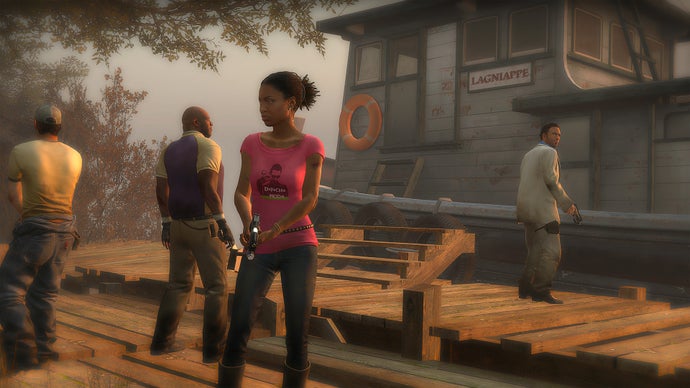
Valve circumvented the ESRB's rejection of Left 4 Dead 2's cinematic trailer by deliberately "leaking" it online, sidestepping formal approval processes that would have restricted its distribution. The rating board refused to clear the trailer for official release due to content concerns, but Valve found a workaround: the company allowed the video to surface through unofficial channels, effectively placing it in the public domain without bearing direct responsibility for its distribution.
Left 4 Dead 2 launched in 2009 as Turtle Rock Studios' sequel to the original cooperative zombie shooter. The game itself received an M for Mature rating from the ESRB, but the cinematic trailer proved even more controversial. The board's stricter stance on marketing materials versus finished games created a gap between what Valve could sell and what they could promote. Rather than accept this limitation, the studio opted for a technically clever gray area. By allowing the trailer to leak, Valve maintained plausible deniability while ensuring the promotional content reached its intended audience.
This approach reveals the tension between content creators and rating bodies in the gaming industry. The ESRB wields significant gatekeeping power over how games reach consumers, particularly through advertising and trailers that reach younger audiences. Retailers rely on ESRB ratings to determine shelf placement and marketing eligibility. When the board rejects promotional material, studios face genuine commercial consequences. A cinematic trailer typically generates hype, drives pre-orders, and establishes tone before launch. Blocking it means losing that marketing window.
Valve's solution demonstrates creative industry pragmatism. The "leak" strategy allowed the company to test waters without formal confrontation. Players found the trailer through unofficial sources, shared it across forums and social media, and the content became inescapable online. Valve never officially released it through their own channels, so technically they remained compliant with ESRB guidelines. Meanwhile, everyone who wanted to see Left 4 Dead 2's visceral marketing material found it anyway.
The incident highlights how outdated rating frameworks struggle with digital distribution. Traditional gatekeeping assumes controlled release environments. A television commercial requires approval before airing on broadcast networks. A theatrical trailer needs theatrical distribution. But online content spreads instantly and freely. The ESRB cannot regulate what already exists in public circulation, only what companies formally submit for approval.
Left 4 Dead 2 itself became a lightning rod for content concerns. The game featured graphic violence, dismemberment, and zombie gore that pushed M-rating boundaries. Some retailers initially declined to stock it. Steam controversy followed in certain regions. The cinematic trailer apparently pushed those elements even further, presenting the chaos and brutality in cinematic quality that emphasized visceral impact. The ESRB likely flagged it as excessively promotional of the game's most violent aspects.
Valve's creative approach worked because it transformed a regulatory problem into an organic marketing moment. Leaked content generates buzz through discussion and sharing. Players and press talk about what the rating board rejected, which paradoxically creates more visibility than an official release would. The ESRB prevented Valve from marketing the trailer. Valve responded by ensuring everyone saw it anyway.
This strategy prefigured modern internet culture, where "leaks" function as quasi-official marketing in many industries. Game studios now regularly seed media outlets with preview footage, knowing that fans will amplify and discuss the content. The line between controlled promotion and organic discovery has blurred completely. Valve simply got there first, turning a regulatory roadblock into a viral moment.