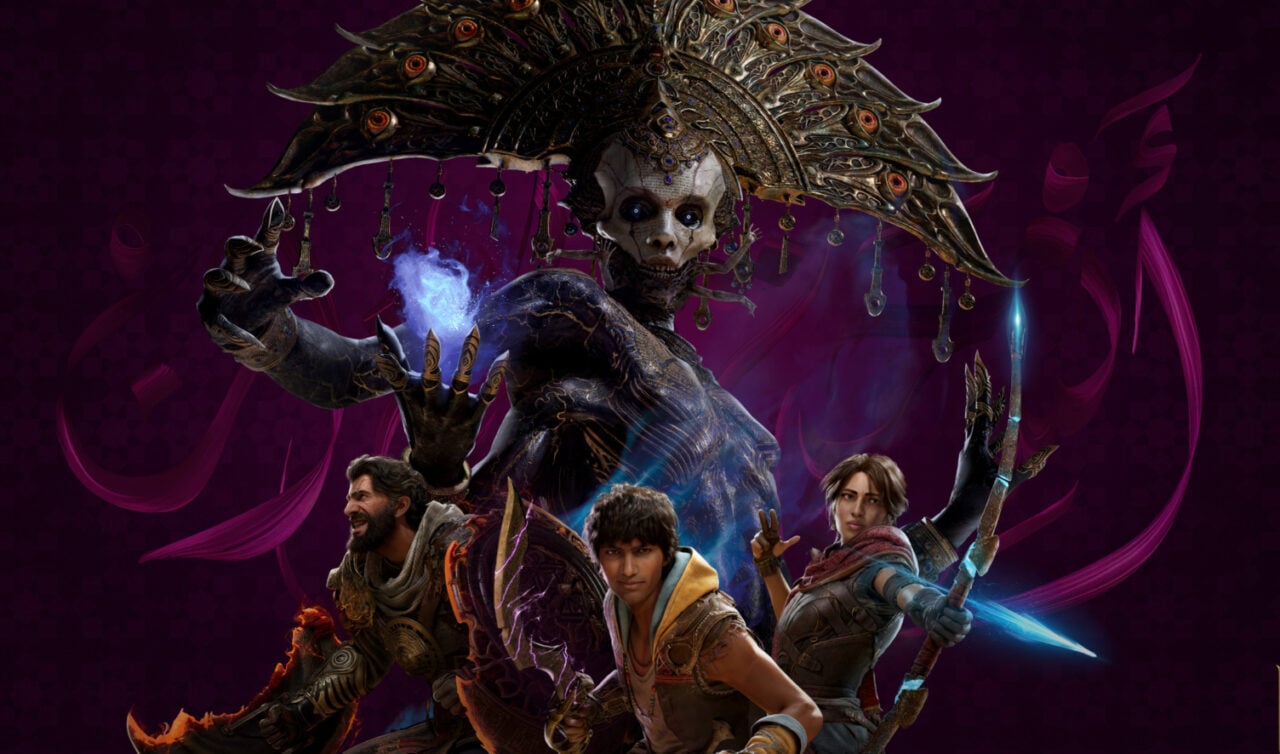
# The 1001 Threads Of Mizan Director Sidesteps Questions About Studio Structure At Gamescom
The creative director behind The 1001 Threads of Mizan deflected when pressed about the studio's organizational structure during a Gamescom interview, instead emphasizing the company's decentralized approach. When asked a direct question about how the studio operates, the director responded by highlighting that the team functions as a "really decentralized company" with no traditional hierarchy.
This evasion signals potential turbulence within the indie studio or uncertainty about how to publicly discuss internal operations. Gamescom remains the industry's biggest public showcase for unreleased titles, making it the ideal venue for developers to clarify confusion about their projects. The director's circular answer instead raises questions about why straightforward questions about studio structure warranted avoidance.
The 1001 Threads of Mizan occupies an interesting position in the current gaming landscape. As an indie title in development, it competes for attention in a crowded market where player transparency about development studios carries real weight. Players increasingly research studio backgrounds, work culture, and organizational stability before committing to early access or pre-orders. A director who cannot or will not directly answer basic operational questions invites speculation about what problems might exist behind the scenes.
Decentralized studios have become more common as remote work normalizes across game development. Teams spanning multiple countries and time zones often adopt flat hierarchies to maintain productivity and creative autonomy. However, decentralization without clear accountability structures can create communication breakdowns, especially when media representatives ask pointed questions at major industry events.
The timing at Gamescom matters here. The conference attracts thousands of gaming press, streamers, and industry professionals. A moment captured on video or in reporter notes circulates instantly across social media and gaming outlets. Directors typically prepare extensively for interviews at this scale, anticipating tough questions and developing thoughtful responses. A non-answer about basic studio operations suggests either poor preparation or deliberate obfuscation.
For The 1001 Threads of Mizan specifically, this moment could impact player perception before launch. Indie games survive on community trust and word-of-mouth momentum. When developers appear cagey about fundamental details, communities notice. Players parsing interview footage will draw their own conclusions about what the director refused to explain. Some will interpret the response as a red flag about studio stability. Others might assume financial pressure, contract disputes, or internal restructuring happening quietly behind closed doors.
The broader pattern matters too. When game industry figures consistently avoid straightforward questions, journalists and players develop skepticism about the entire ecosystem. The indie space thrives on perceived authenticity and accessibility compared to AAA studios. A director who embodies the opposite of straightforwardness undermines that advantage.
No information emerged about why the question posed such difficulty. Perhaps the studio structure genuinely proves too complex for a quick answer. Perhaps legal or business reasons prevented disclosure. Perhaps the director simply misspoke under pressure. Without clarity, speculation fills the vacuum. The 1001 Threads of Mizan will need more direct communication to restore confidence with skeptical observers who watched this exchange.