Hideki Kamiya, the veteran director behind PlatinumGames, has escalated his response to online accusations that he misappropriated development funds from Scalebound during its production at PlatinumGames. Kamiya took to X (formerly Twitter) to push back at claims suggesting he diverted Xbox's money toward other studio projects, going so far as to threaten legal action against users making these allegations.
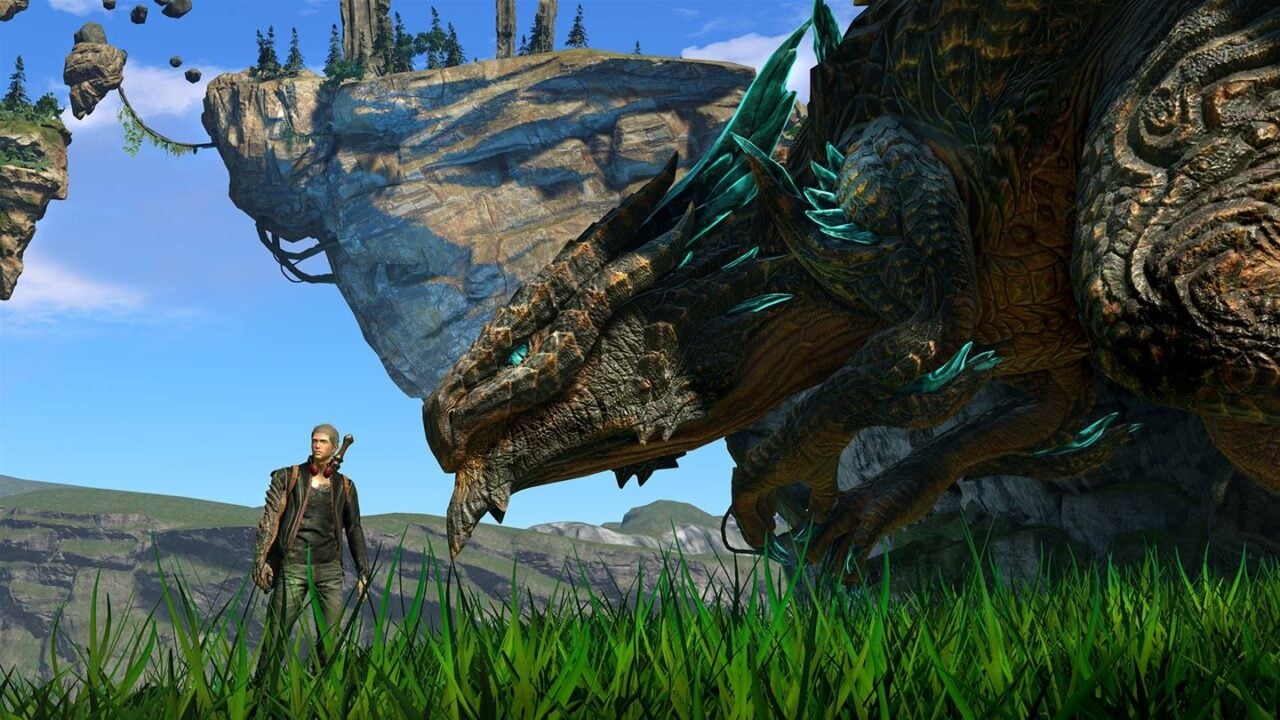
Scalebound was an action game in development for Xbox One that PlatinumGames was creating with Microsoft's backing. Microsoft canceled the project in 2017 after several delays and production troubles. The game never reached players, but questions about its development costs and resource allocation have persisted for years.
Kamiya's response came after renewed discussion online about Scalebound's failure and how development funds were handled. Rather than dismiss the claims, the director addressed them directly and forcefully. He indicated he would consider pursuing legal action against those spreading what he views as false accusations of financial misconduct. The tone of his posts suggests frustration with years of speculation about the project's troubled development.
What makes Kamiya's pushback notable is his willingness to revisit Scalebound altogether. Despite the cancellation and the acrimonious circumstances surrounding it, Kamiya expressed openness to reviving the project. This signals PlatinumGames' continued interest in the IP and suggests the studio sees potential in a second attempt if circumstances align differently.
Kamiya's aggressive stance on social media aligns with his documented history of direct engagement with fans and critics online. The director has never shied away from confronting what he perceives as misinformation about his work or the studio. His threat to pursue legal remedies over the Scalebound funding allegations represents an escalation of that pattern, though whether such action would actually materialize remains unclear.
The Scalebound situation carries broader weight within the gaming industry. Microsoft's decision to cancel the game marked a significant loss for the publisher and raised questions about project management, oversight, and the challenges of external development partnerships. For PlatinumGames, the cancellation represented a major setback during a period when the studio was establishing itself as a reliable partner for major publishers.
PlatinumGames has since recovered its standing through successful releases including Bayonetta 3 for Nintendo Switch and work on other high-profile projects. The studio's reputation has stabilized considerably since the Scalebound era, though questions about that specific development remain unresolved in public discourse.
Kamiya's willingness to discuss Scalebound's revival suggests the studio might pursue the project under different circumstances. Whether that means seeking a new publishing partner or developing it independently remains unclear. His combative approach to the funding allegations, however, indicates he views the narrative surrounding Scalebound's cancellation as unfair and wants to correct the record before moving forward.
The threat of litigation over social media claims about game development finances sets a potentially contentious precedent. It highlights how toxic online discussion of cancelled projects can become, and the friction that emerges when developers feel their reputation has been damaged by speculation.