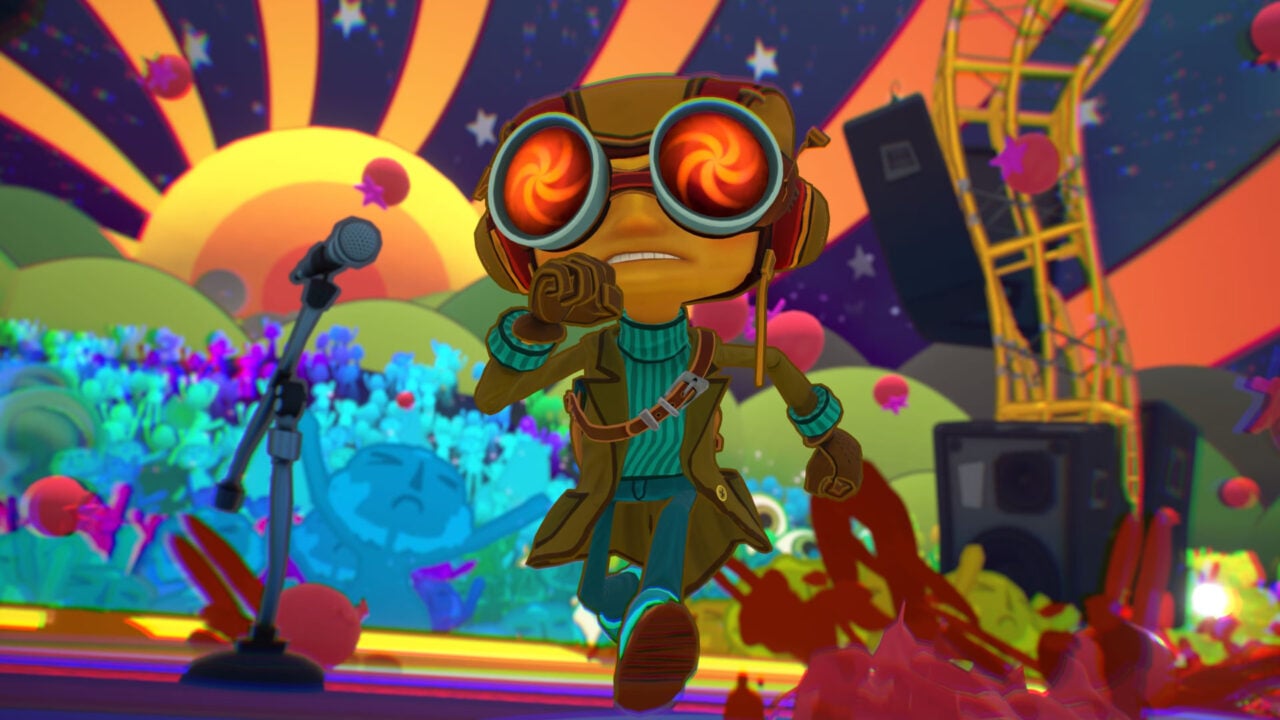
Tim Schafer, the legendary designer behind Grim Fandango and Psychonauts, views Double Fine's departure from Xbox as a liberation rather than a loss. Speaking candidly about the studio's split from Microsoft, Schafer described the move as a "creative awakening" that freed the team from constraints.
The friction began after Phil Spencer's retirement from Xbox leadership. Schafer had cultivated a strong working relationship with Spencer during their partnership, but that relationship shifted when new leadership took over. According to Schafer, the departure of Spencer created uncertainty about Double Fine's future within the Xbox ecosystem. "Once Phil left, I had a bad feeling," Schafer explained, signaling that leadership turnover at Microsoft triggered the studio's reconsideration of its position.
Double Fine's departure marks another significant exit from Xbox's first-party ecosystem. The studio, acquired by Microsoft in 2019, spent years developing titles under the Xbox umbrella. That partnership produced games like Psychonauts 2, which launched as an Xbox exclusive before eventually reaching other platforms. However, the working relationship had become increasingly strained.
Schafer's comment about "Asha's not going to shoot my dog" references creative control and freedom. The remark hints that Double Fine felt its creative vision was being compromised or constrained by corporate oversight from Redmond. That tension between artistic autonomy and corporate demands drove the decision to leave.
The studio's independence opens new possibilities. Double Fine can now pursue projects without needing approval from Xbox executives or adhering to Microsoft's platform strategies. The team gains flexibility in choosing publishers, platforms, and project scope. That freedom holds particular value for Schafer, whose career spans indie hits, adventure games, and experimental titles that might not fit traditional AAA molds.
This departure reflects broader industry instability at Xbox. Microsoft has undergone significant restructuring, with leadership changes cascading through the organization. Bethesda's integration into Xbox Game Pass remained contentious. Activision Blizzard's acquisition faced ongoing challenges. Against this backdrop, losing creative talent like Double Fine signals cracks in Microsoft's first-party strategy.
For Double Fine specifically, independence means returning to its roots. The studio built its reputation on imaginative games with strong artistic direction. Smaller budgets and tighter creative control often served the studio better than blockbuster expectations. Schafer's tone suggests relief rather than regret about leaving Microsoft's structure.
The industry watches this move closely. Double Fine's departure validates concerns about Xbox's ability to retain creative talent. Studios value autonomy and clear leadership vision. When either becomes questionable, departures follow. Spencer's retirement clearly marked a turning point for relationships built during his tenure.
Looking ahead, Double Fine will likely seek new publishing partnerships or pursue independent publishing. The studio's next projects will reveal whether independence truly unlocked the creative potential Schafer referenced. For Xbox, the loss represents one more hole in the first-party lineup that Microsoft must fill.