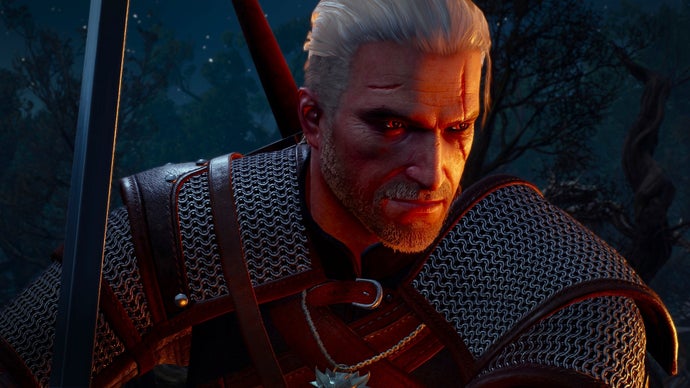
CD Projekt Red placed The Witcher remake on hold, with development now dependent on progress with The Witcher 4. The studio confirmed this timeline during Gamescom, signaling that the remake of the original 1997 game will not advance until The Witcher 4 reaches certain development milestones.
The Witcher 4 targets a 2028 release, meaning the remake sits in limbo for several years. CD Projekt Red partnered with Fool's Theory, an external studio, to handle the remake project. This arrangement allows CD Projekt Red to focus internal resources on The Witcher 4, the franchise's next major entry and a core priority for the company.
The decision reflects resource management across a sprawling slate. CD Projekt Red currently juggles multiple projects across The Witcher universe. The studio released Cyberpunk 2077's Phantom Liberty expansion and continues supporting that game. Simultaneously, The Witcher 3 received a next-generation remaster with enhanced graphics and improved combat mechanics, launched with community input from top modders. Additional Witcher 3 DLC, titled "Songs of the Past," entered development as a secondary project.
Stacking these initiatives reveals why The Witcher 4 dominates the studio's roadmap. CD Projekt Red cannot afford to split development teams across too many active projects without compromising quality. The 2028 target for The Witcher 4 suggests a lengthy development cycle, likely spanning five to six years from announcement to launch. Delaying the remake protects that timeline.
This approach differs from some industry practices. Typically, publishers manage multiple projects simultaneously with separate teams. CD Projekt Red's approach of sequencing development shows risk aversion after Cyberpunk 2077's troubled launch in 2020. That disaster cost the studio reputation and revenue, forcing restructuring and a slower, more deliberate pace going forward.
Fool's Theory handles remake development, meaning an external vendor carries the workload when CD Projekt Red greenllights it. This outsourcing model lets CD Projekt Red maintain remake progress without diverting staff from Witcher 4. The partnership also reduces financial pressure if the remake's scope expands or development hits unforeseen obstacles.
The remake targets a rebuild of the 1997 original game using Unreal Engine 5. A full reconstruction of a 27-year-old title demands significant time and resources. Rather than rush it alongside The Witcher 4, CD Projekt Red chose patience. The remake exists as a long-term passion project for hardcore fans and newcomers alike, not an urgent revenue stream.
Putting the remake on the back burner also protects The Witcher 3's remaster momentum. That project launched with fresh content and gameplay improvements, giving players reasons to return to the 2015 classic. Releasing a remake too soon risks cannibalizing interest in the remaster and fragmenting the player base across too many Witcher games simultaneously.
CD Projekt Red faces pressure to deliver The Witcher 4 without stumbles. The franchise remains one of gaming's most valuable properties, and failure here damages the company's credibility permanently. Concentrating efforts on Witcher 4 demonstrates the studio learned from Cyberpunk 2077's launch chaos. The remake delay serves both The Witcher 4's success and long-term franchise health.