# Exodus Delivers Zero-G Combat Thrills But Stumbles With Familiar RPG Tropes
Exodus, the Mass Effect-inspired space RPG, impresses with inventive weightless combat encounters but leans too heavily on conventional science fiction storytelling. A recent hands-on demo revealed both the game's strengths and its reliance on well-worn narrative templates that undercut its ambitions.
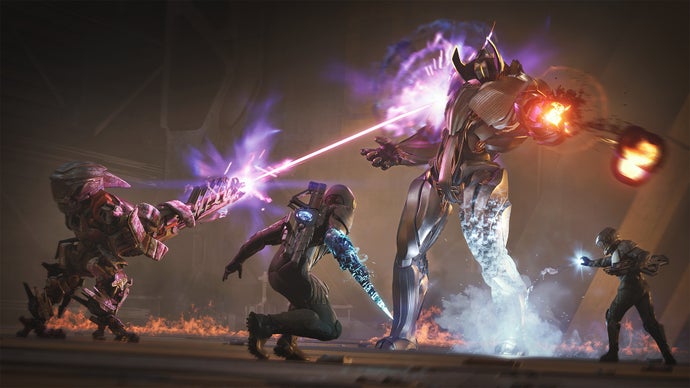
The standout feature is the zero-gravity combat system. Fighting in microgravity environments creates tactical possibilities that traditional ground-based shooters cannot match. The verticality, momentum, and three-dimensional positioning transform firefights into something genuinely fresh. Players navigate weightless arenas with real consequences for positioning and cover usage, making combat encounters feel distinct from the Shepard-led missions players experienced across the Mass Effect trilogy.
However, the demo exposed a critical weakness. The player character embodies the standard space opera hero archetype. Despite the game's creative character roster, including a notably distinctive octopus sniper companion, the protagonist feels generic and underdeveloped. This is a significant problem for an RPG built on player investment and roleplay. The grumpy mecha octopus sniper has more personality in concept art than the main character displays during actual gameplay.
The mission structure during the demo centered on a space station infiltration scenario. Standard stealth-action gameplay punctuated dialogue choices typical of the BioWare formula. Exodus clearly aspires to capture what made the Mass Effect series resonate with players. The problem is that aspiration alone does not generate originality. The game adopts Mass Effect's DNA so directly that it becomes difficult to see what distinguishes Exodus from fan-made spiritual successors rather than a full creative evolution.
Character interactions and squad dynamics feel functional but unremarkable. The two companions joining the player on the station mission lacked the memorable personalities that made Garrus, Tali, and Legion iconic. Their banter during infiltration sequences hit expected beats without surprising or delighting the player.
The shooting mechanics themselves perform competently within gravity-less environments. Weapon feedback feels solid. Recoil and impact register properly. The problem exists at a higher level. Technical execution alone cannot overcome narrative and character design that relies on proven formulas without substantial reinvention.
Exodus occupies an interesting market position. The original Mass Effect trilogy concluded over a decade ago. Andromeda disappointed many players. Players hungry for space opera RPGs currently have limited options. This creates opportunity for Exodus to capture an audience actively seeking this exact experience. However, capturing an audience through market hunger differs fundamentally from creating a game people remember for years.
The zero-gravity combat innovation proves developers at Archetype Entertainment understand how to build memorable moments within this genre. The challenge lies in applying that same creative energy to character development and storytelling. A mecha octopus sniper demonstrates this understanding exists somewhere within the studio. Getting that octopus into the player's squad during critical missions represents the work remaining. That work proves whether Exodus becomes the spiritual successor that defines the next decade of space RPGs or a competent but forgettable entry in an underserved genre.