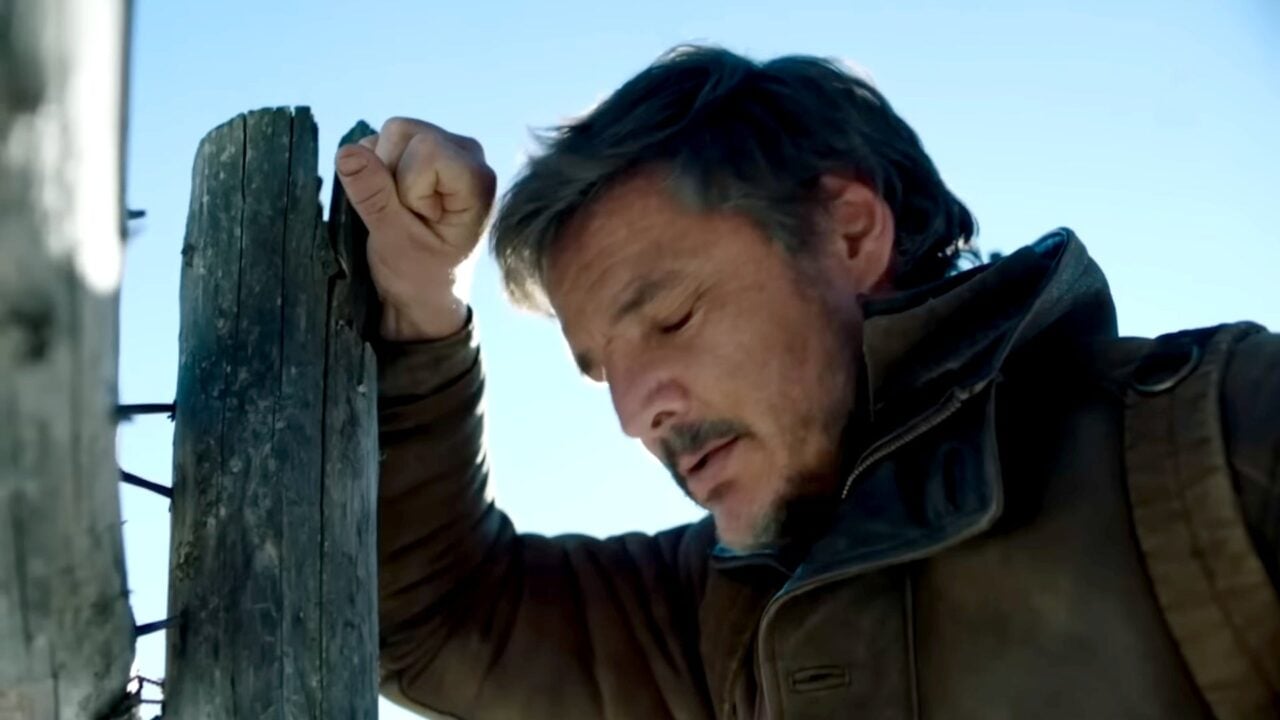
Naughty Dog has pulled further back from HBO's The Last of Us adaptation, declining direct involvement in a potential Season 3 while simultaneously confirming that the studio continues developing new projects across multiple fronts.
The PlayStation-exclusive developer's distancing reflects growing creative friction between the studio and HBO's execution of its flagship franchise. While Season 1 of the HBO series delivered solid viewership numbers and critical acclaim, reception soured considerably as the show progressed. The adaptation diverged sharply from the source material, particularly in character arcs and narrative pacing that core fans found inconsistent with Neil Druckmann's original vision.
Naughty Dog's position marks a telling shift. The studio initially collaborated closely on Season 1, with Druckmann serving as creative consultant and writer. That involvement tapered significantly for Season 2, which aired in 2024 to mixed fan reactions. Now, with Season 3 in limbo at HBO, Naughty Dog has essentially ceded control rather than defend the project actively.
"We're not directly involved with Season 3," sources close to the studio indicated, though formal statements remain measured. This separation suggests the studio views continued association as a liability rather than an asset for its brand reputation. The Last of Us games remain cultural touchstones. Their television counterpart increasingly divides rather than unites the franchise's audience.
HBO has not officially greenlit Season 3, though showrunner Craig Mazin previously indicated plans to continue adapting The Last of Us Part II. That project faces production uncertainties independent of Naughty Dog's participation, including casting changes and scheduling conflicts.
More pressing for the industry is Naughty Dog's broader slate. The studio confirmed multiple unannounced projects currently in development. Sources indicate at least two major titles operate in advanced production stages. One project reportedly represents a new IP departure from Uncharted and The Last of Us franchises. Another remains internally classified. Both projects target PlayStation 5 and potentially PC platforms, matching Sony's increased multiplatform strategy.
The studio employed roughly 450 people as of 2024, indicating substantial resources committed to these initiatives. Naughty Dog has historically delivered blockbuster productions with development cycles stretching four to six years. Given current workforce size and project count, the studio plans significant output across the next several years.
Naughty Dog's retreat from HBO's adaptation reflects a broader pattern. Hollywood's game-to-screen translations continue struggling with fan expectations. Successful examples remain rare. The studio's focus on gaming development over television consultation makes strategic sense, particularly when IP protection matters more than box-office association.
For PlayStation, Naughty Dog's upcoming slate represents critical first-party content. Sony faces pressure from Xbox Game Pass and Nintendo Switch momentum. Exclusive, high-production titles remain essential to the PlayStation 5's value proposition heading into 2025 and beyond. Whatever Naughty Dog releases will anchor major console ecosystem plays and likely generate significant media attention.
The Last of Us television experiment taught harsh lessons about creative control and adaptation complexity. Naughty Dog's pivot away from HBO suggests the studio learned those lessons thoroughly.