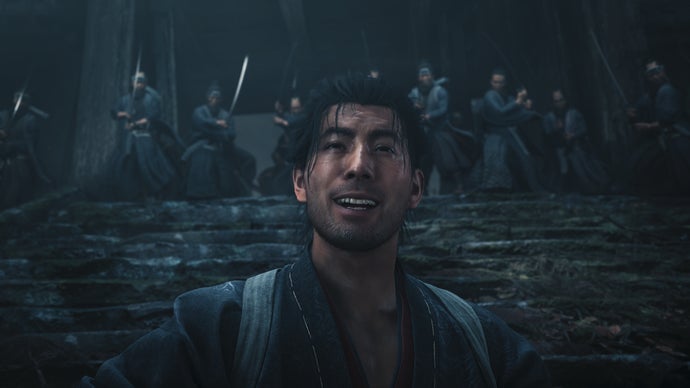
Capcom's Onimusha: Way of the Sword rescues the dormant samurai action franchise by embracing absurdist humor and slapstick mayhem, though the overall package struggles to maintain that comedic energy across a sprawling open world that demands exploration and grinding.
The opening establishes immediate chemistry. Protagonist Musashi, a wandering ronin, wakes under a bridge, barks a comically misplaced British "WOT?!" at street urchins threatening his rice ball, then gets chased by what feels like an army of martial arts students through a muddy village. Combat sequences devolve into physical comedy: kicking wooden planks into enemy faces, rescuing dogs mid-combat, and generally treating combat encounters as opportunities for environmental silliness rather than rigid sword-fighting form. This tonal shift marks a departure from the series' traditionally serious action-adventure tone established by the original Onimusha games on PlayStation 2.
The problem emerges once Capcom exchanges its comedic setup for conventional open-world structure. Musashi's ronin journey expands into broader maps filled with typical open-world padding: resource collection, side quests, and the grinding progression loops that modern action games demand. This expansion dilutes what makes those early hours work. The focused, absurdist energy of Musashi's initial chaos collapses under the weight of expected industry convention.
Onimusha: Way of the Sword lands on PC, PlayStation 5, and Xbox Series X/S, positioning itself as both a series revival and a modernized action game. The franchise hadn't released a major title since Onimusha: Dawn of Dreams on PlayStation 2 in 2006, leaving nearly two decades of dormancy. Capcom's decision to revive Onimusha through a prequel focused on a younger Musashi shows strategic interest in fan service and character exploration, but the execution reflects hesitation about committing fully to what actually engages players.
The core combat remains engaging. Sword combat flows with satisfying weight and impact, particularly when the game leans into its comedic physics interactions. Enemy variety scales reasonably, and environmental destruction remains tactile and rewarding. Boss encounters carry personality that extends beyond stat checks. The issue isn't mechanical competence. The issue is pacing and structural bloat.
Open-world design often forces developers into uncomfortable compromises. Onimusha: Way of the Sword commits to both focused narrative moments and sprawling exploration, but these objectives frequently contradict each other. When the game remembers its own comedic identity, it shines. When it defaults to open-world obligation, it drags.
The comparison point matters here. Sekiro: Shadows Die Twice proved that samurai-focused action games could thrive through focused level design and combat mastery rather than open-world expanse. Ghost of Tsushima demonstrated that even massive open environments could serve narrative purpose when structured deliberately. Onimusha: Way of the Sword instead splits the difference awkwardly, delivering neither the focused intensity of the former nor the cohesive world-building of the latter.
Player reception will likely depend on tolerance for tonal whiplash and open-world padding. The game's best moments arrive when Capcom abandons subtlety entirely and commits to absurdity. Those sequences suggest Onimusha could have become something genuinely distinctive had developers trusted that instinct across the full runtime rather than padding it out with mandatory exploration and resource farming.