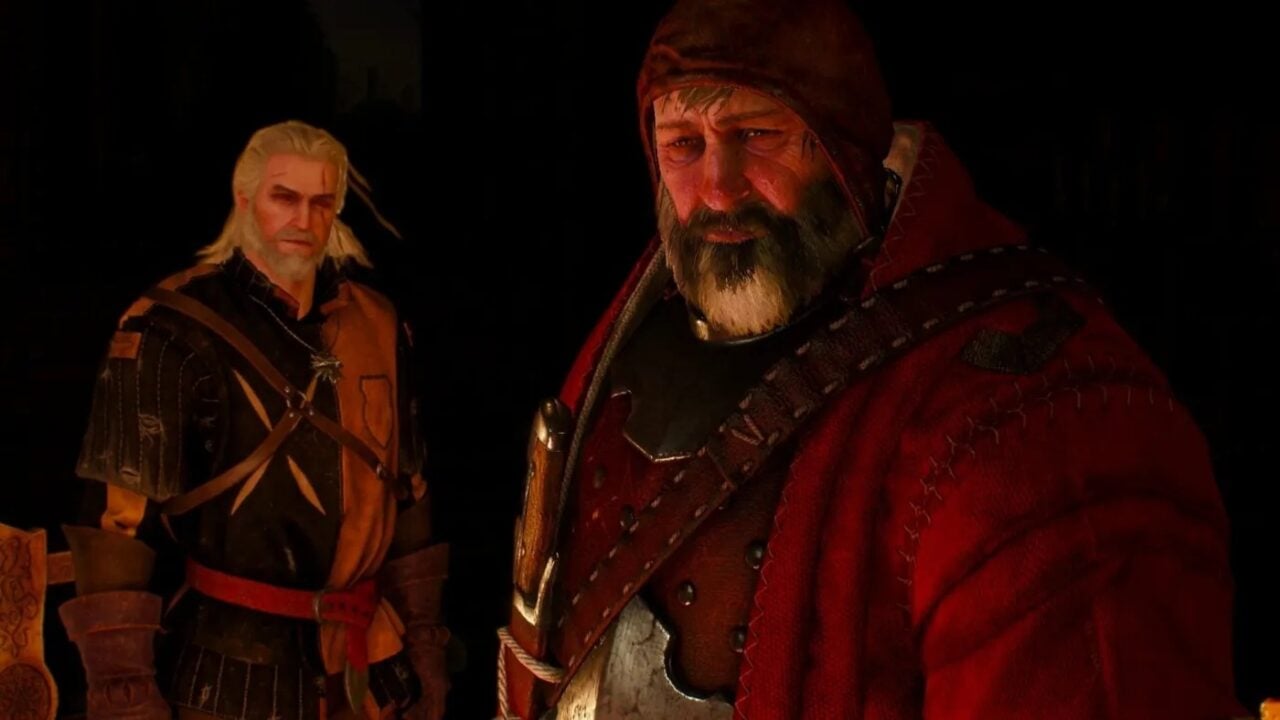
# The Bloody Baron Quest Architect Looks Back On The Witcher 3's Most Iconic Mission
The Bloody Baron questline stands as one of The Witcher 3: Wild Hunt's most celebrated moments, a sprawling narrative sidequest that delivered moral complexity, genuine horror, and consequences that rippled across the game's entire third act. Now, more than a decade after CD Projekt Red shipped the game in May 2015, one of the quest's designers has offered a candid reflection on the mission's construction, admitting to choices he would reverse if given the chance.
The Bloody Baron arc tasks Geralt with investigating the disappearance of a baron's wife and children while navigating the swamp-soaked Velen region. What begins as a straightforward missing persons case unravels into a tragedy layered with supernatural horror, family trauma, and moral gray areas that resist easy answers. The questline forced players to confront uncomfortable truths about abuse, desperation, and the limits of redemption. Its branching narrative paths meant players could leave the quest with wildly different outcomes depending on how they handled encounters with the baron himself and the cursed spirit haunting his castle.
The designer's admission comes at a moment when game development retrospectives have become industry standard, with veteran developers increasingly willing to critique their own work through the lens of modern design sensibilities. The Witcher 3 shipped to critical acclaim and commercial success, moving over 30 million copies across PC, PlayStation 4, and Xbox One. Yet even decade-defining projects carry regrets.
The nature of the "mistakes" remains unspecified in available reporting, but the context suggests they center on quest pacing, narrative branching, or how certain character arcs resolved. The Bloody Baron questline clocks in at roughly three to four hours depending on player choices and exploration. Some players reported pacing issues during the middle section, while others praised the slower burn as essential to building dread. The quest's multiple endings created narrative fragmentation that some viewed as messy, others as authentically human.
CD Projekt Red doubled down on this complex storytelling approach with The Witcher 3's two major expansions. Hearts of Stone and Blood and Wine both leaned heavily into sidequest depth and moral ambiguity. The studio's subsequent projects, including the troubled Cyberpunk 2077 launch and ongoing development on The Witcher 4, suggest the studio continues wrestling with scope, branching narrative, and player choice.
For The Witcher 3's playerbase, the Bloody Baron quest remains a benchmark for what sidequest design can achieve when studios commit meaningful resources to narrative experimentation. That a designer still carries regrets about execution speaks to the quest's ambition rather than its failure. Modern quest design across Baldur's Gate 3, Dragon's Dogma 2, and other narrative-heavy RPGs frequently traces lineage back to The Witcher 3's branching storytelling model.
The retrospective also arrives as CD Projekt Red shifts focus toward The Witcher 4, which the studio announced would star Ciri rather than Geralt. Whether that project learns from the Bloody Baron designer's hindsight remains to be seen.