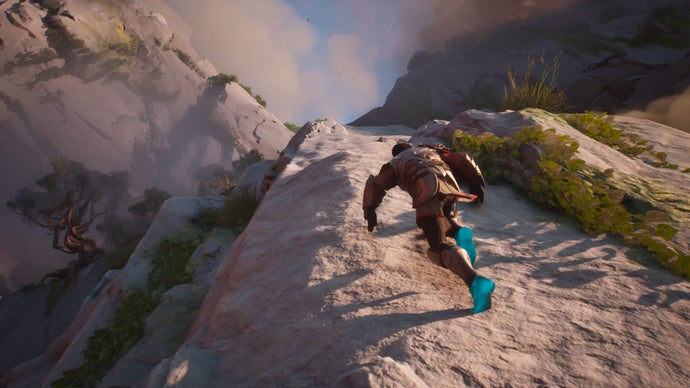
ArenaNet's Guild Wars 3 marks a departure from traditional MMO combat design, replacing tab-targeting mechanics with action-oriented gameplay that fundamentally reshapes how players engage in group content. The studio has confirmed that its new combat system works optimally at a 20-player cap, not the 40-player raid tiers that defined World of Warcraft and shaped MMO expectations for over two decades.
The action combat approach introduces real-time positioning, dodge mechanics, and skill-shot requirements that diverge sharply from the static, ability-rotation framework that dominated competitive raid design since WoW's launch in 2004. This shift creates both opportunity and constraint. While action combat generates faster pacing and individual player agency, scaling it across larger raid groups becomes exponentially harder. ArenaNet's solution targets smaller, more coordinated squads instead.
The 20-player "sweet spot" reveals the studio's deliberate design choice. Larger raids distribute threat across too many targets, making positioning and skill-shot accuracy diluted and unrewarding. At 20 players, mechanics remain readable, personal contributions feel tangible, and coordination demands remain achievable without requiring perfect execution from dozens of simultaneous participants. This mirrors raid design in Final Fantasy 14, which caps its Savage raids at eight players per team while offering alliance raids for 24, though FFXIV still employs traditional targeting systems. Guild Wars 3 strips away that safety net entirely.
ArenaNet has withheld substantial information about Guild Wars 3's broader systems. Mounts, professions, dynamic world events, shops, and economy mechanics remain undiscussed. The studio adopted this information-drip strategy deliberately, spacing reveals across multiple presentations. This pacing allows developers to address each system with focused attention rather than overwhelming players or media with complete feature lists before systems reach maturity.
The action combat reveal signals where ArenaNet's development priorities lie. The original Guild Wars 2, launched in 2012, attempted to modernize MMO combat by removing the trinity of tank-healer-damage dealer in open world content, though dungeons and raids returned to more traditional roles. Guild Wars 3 doubles down on that experimentation, embedding action mechanics into the core raid experience rather than isolating them to world PvE.
This approach carries risk. Action combat demands higher frame rates, smoother servers, and players with better mechanical skills. It also alienates players who prefer strategic positioning over twitch reflexes. The 20-player cap further reduces the social scale of guilds dedicated to large-scale raid progression, potentially fragmenting endgame communities that formed around 40 or 80-player world raids in predecessors like WoW or older Guild Wars 2 raid tiers.
However, the design choice addresses real problems in modern MMO raiding. Larger raids create coordination nightmares, trivialize individual mechanics for average players, and make balance patches exponentially harder. Keeping groups small increases engagement and accountability. Players see exactly how their dodge timer or skill-shot accuracy affects the encounter's success.
Guild Wars 3 launches into a competitive landscape where Final Fantasy 14 dominates subscriptions, World of Warcraft maintains legacy appeal despite declining engagement, and indie MMOs continue exploring niche designs. ArenaNet's action-first raid philosophy positions the game as an alternative for players fatigued by tab-targeting conventions. Whether 20-player action raids sustain raiding communities long-term remains untested. Traditional raid culture built social infrastructure around larger numbers. Smaller squads may foster tighter bonds or fragment into burnout-prone patterns depending on encounter design and content velocity.