# Harvey Smith's Vision for Hope in Game Design: Why He's Building Black Pony Immersive
Harvey Smith, the veteran designer behind the Dishonored franchise at Arkane Studios, has launched a new independent studio called Black Pony Immersive. In comments to Kotaku, Smith articulated a philosophy that challenges the dominant trends in modern game development: the industry has largely abandoned hopeful, emotionally resonant storytelling in favor of cynicism and spectacle.
Smith framed his decision to leave AAA development and start Black Pony Immersive as a deliberate pushback against industry norms. "It's an act of rebellion to try to do something hopeful in times like this," he explained. The statement reflects a broader frustration with how contemporary games prioritize dark themes, grim aesthetics, and morally compromised protagonists over narratives that offer uplift or human connection.
This stance positions Black Pony Immersive squarely against market saturation. The live service games, battle royales, and grimdark story-driven titles have dominated commercial spaces for years. Meanwhile, games that explore gentler emotional terrain or genuine hope remain underrepresented at scale. Smith identifies this gap as both a creative opportunity and a responsibility.
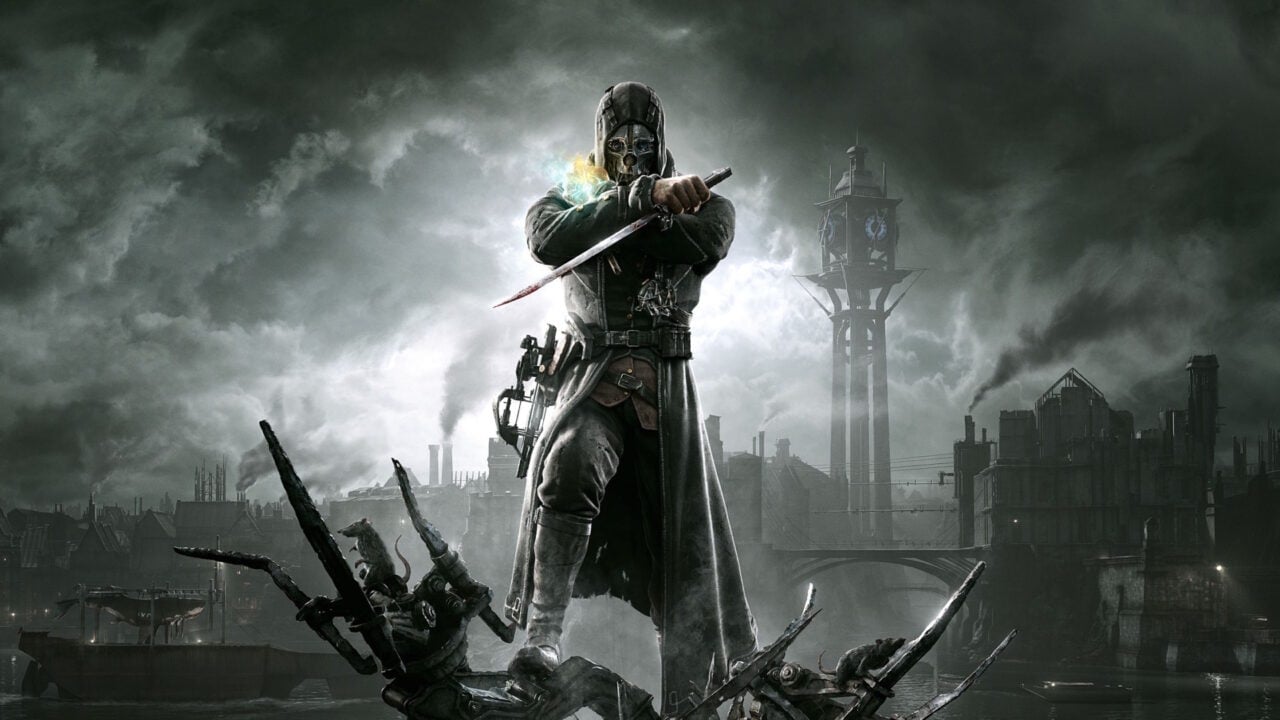
Smith's track record supports his credentials to take on this challenge. His work on Dishonored established immersive sim design that balanced player agency with narrative coherence. The series earned critical acclaim without sacrificing commercial viability, proving audiences respond to inventive gameplay paired with thoughtful world-building. That success gives him leverage independent studios typically lack when pitching projects outside industry convention.
The co-creator's framing of game design as fundamentally hopeful work carries weight during a period of widespread industry turbulence. Thousands of developers lost jobs throughout 2023 and 2024 as major studios consolidated, canceled projects mid-development, and shifted focus toward perceived safer bets. Layoffs at companies like Bungie, Rocksteady Studios, and Embracer Group's multiple shutdowns created a climate where creative risk-taking feels reckless rather than necessary.
Smith's approach directly contests this risk-averse mentality. By launching an independent studio explicitly committed to underserved creative territory, he signals that smaller operations with clear artistic direction can thrive where risk-averse corporate structures cannot. Black Pony Immersive enters a landscape populated by successful indie studios like Supergiant Games, Annapurna Interactive's publishing portfolio, and A Space for Games, which have collectively demonstrated that audiences hunger for distinctive voices.
What Smith identifies as missing from most games centers on emotional authenticity and human stakes. The industry has become proficient at delivering spectacle, technical polish, and mechanical complexity. Yet games that make players feel genuinely connected to characters, that explore vulnerability rather than power fantasy, or that suggest human resilience without veering into false optimism remain sparse. This underserved territory represents both creative opportunity and market validation. Players consistently express fatigue with cynical narratives delivered through the thousandth open-world checklist.
Smith's rebellion speaks to a generational shift in game development. Veteran designers increasingly recognize that chasing AAA formulas carries diminishing returns. The formula itself has become the product, and consumers notice. By stepping away from that machinery to build something intentional at Black Pony Immersive, Smith places himself alongside other auteur-driven developers who believe games function best as personal artistic statements rather than quarterly revenue streams.
His studio's success will depend on execution, but the philosophy itself resists nobody. The gaming audience has proven repeatedly that it wants more than what comes through corporate committee approval. Smith is betting his career on that hunger.