# Tokyo's Iconic Life-Sized Gundam Statue Closes After 9-Year Run, Emotional Fans Pay Tribute
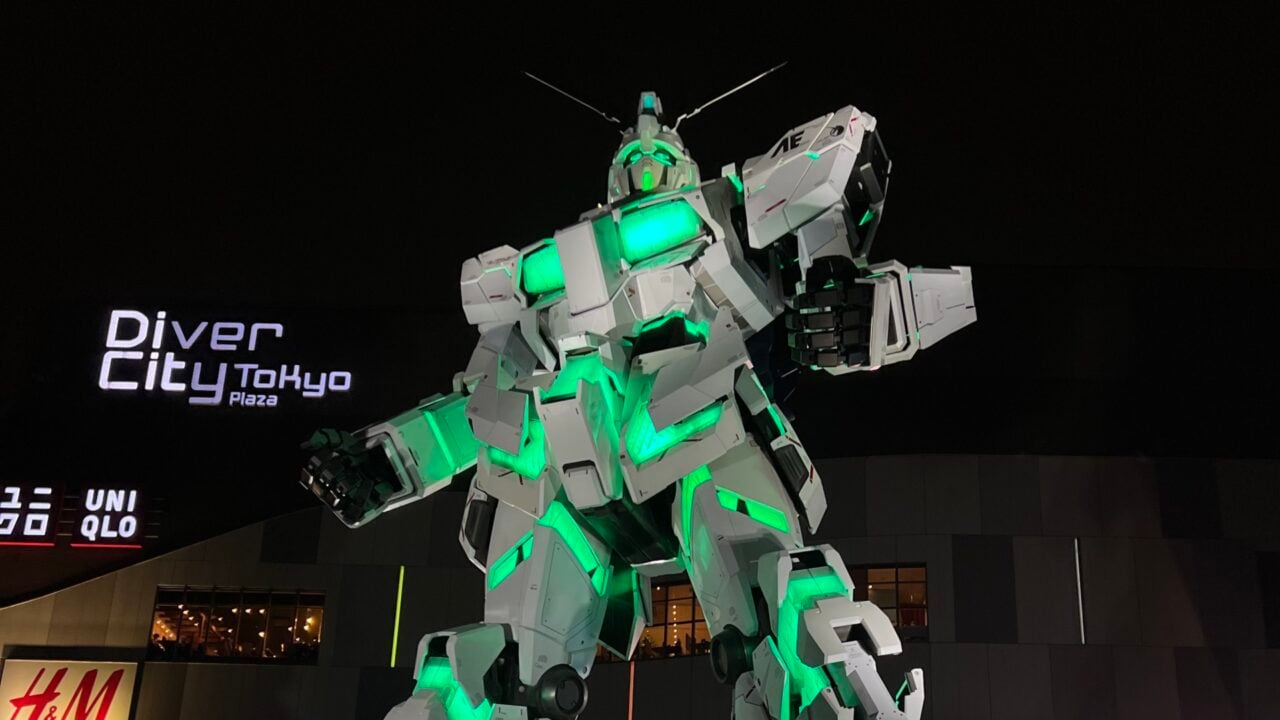
Tokyo's Odaiba district is saying goodbye to one of gaming and anime culture's most recognizable monuments. The life-sized Gundam statue, which has stood 18 meters tall since its installation in 2009, will be dismantled after nearly a decade of operation. The statue's closure marks the end of an era for a landmark that became synonymous with Tokyo's pop culture tourism and Gundam fandom.
Bandai Namco Entertainment has not announced a replacement for the iconic mobile suit. The statue, modeled after the RX-78-2 Gundam from the original 1979 Mobile Suit Gundam anime series, drew millions of visitors annually to Odaiba's DiverCity Tokyo Plaza shopping complex. Fans traveled internationally specifically to photograph and pay respects to the towering robot, which served as one of Tokyo's most Instagrammed attractions.
The farewell prompted emotional reactions from the global Gundam community. Social media flooded with testimonials from players and anime enthusiasts who credited the statue as a pilgrimage site. Longtime fans left notes saying "Thank You For Your Service," treating the monument like a cultural artifact worthy of formal ceremony. The statue represented more than steel and paint. It embodied the 40-year legacy of Mobile Suit Gundam, a franchise that shaped real robot anime and influenced an entire generation of mecha game developers.
The original Gundam anime launched in 1979 and transformed Japanese pop culture through broadcast television. What began as a struggling series revitalized by merchandise has evolved into a transmedia empire spanning anime, manga, video games, model kits, and real-world attractions. Gundam video games alone have generated billions in revenue across PlayStation, Nintendo, PC, and mobile platforms. The statue served as a physical anchor for that legacy, reminding fans that Gundam exists beyond screens.
Odaiba itself evolved around this monument. The district transformed into a mecca for anime tourism, attracting conventions, themed restaurants, and retail experiences. The statue's presence elevated Odaiba's identity as Japan's entertainment district. Losing it creates a void in Tokyo's pop culture geography that no announced replacement yet addresses.
Bandai Namco remains silent on plans for the post-statue era. Speculation suggests a new Gundam installation elsewhere in Tokyo or a temporary hiatus before a modernized replacement. The company could leverage this moment to launch an updated statue featuring newer Gundam designs from more recent anime series like Mobile Suit Gundam: The Witch from Mercury or Mobile Suit Gundam: Iron-Blooded Orphans. Alternatively, they might relocate the experience entirely or shift focus to virtual reality and digital experiences that complement Gundam's expanding metaverse presence.
What's clear is that Tokyo's Gundam statue held cultural weight beyond typical theme park attractions. It functioned as a shrine for a franchise spanning generations. Its closure forces both Bandai Namco and fans to reckon with how physical pop culture landmarks translate meaning in an increasingly digital age. The question now becomes whether any replacement can capture the same reverence fans invested in 18 meters of steel and nostalgia.