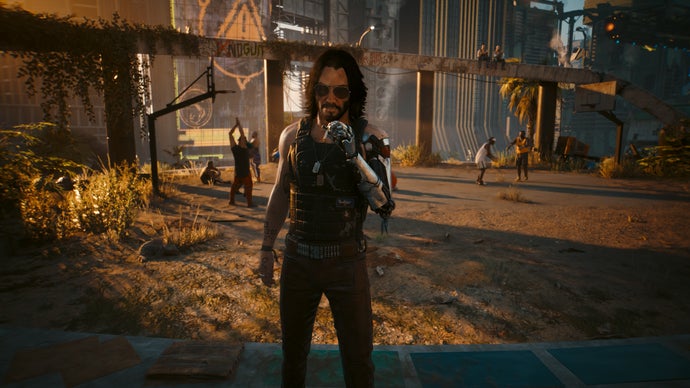
CD Projekt Red's CEO has offered a new explanation for Cyberpunk 2077's catastrophic December 2020 launch, claiming the studio simply wanted the game "out the door." This statement conveniently glosses over documented reports of mandatory crunch that allegedly drove the troubled release.
The developer's justification rings hollow given what emerged about the game's production. Cyberpunk 2077 shipped in a state so broken that players encountered game-breaking bugs, severe performance issues across PC and console versions, and save file corruption from basic crafting mechanics. The PlayStation Network delisted the game entirely within weeks. This wasn't a matter of wanting to release on schedule. This was a product that shipped fundamentally unfinished.
What makes the CEO's framing particularly tone-deaf involves the human cost. CD Projekt Red faced public accusations of enforcing mandatory crunch periods in the months leading up to launch. Staff members worked extended hours under pressure to hit the December release window. The studio later apologized for the crunch, acknowledging that "we apologize for not being transparent about the challenges we faced." Yet here we have leadership attributing the launch to a casual desire to get the game out rather than systemic production failures exacerbated by unsustainable work practices.
The gap between excuse and reality matters. A decision to release when "ready" differs fundamentally from being forced to release by market pressures, investor expectations, and internal timelines that drive workers into crunch. CD Projekt Red had already delayed Cyberpunk 2077 multiple times. November 2019 saw the first delay, followed by pushes into 2020. Each extension likely intensified pressure on staff to hit the final December target.
Cyberpunk 2077 cost roughly $313 million to develop, making it one of the most expensive games ever created. That investment created enormous pressure to launch regardless of readiness. Stakeholders wanted returns. The market demanded the game. These institutional forces, not some casual preference, determined the launch date.
The title's post-launch trajectory tells the real story. CD Projekt Red spent years patching core systems, optimizing performance, and stabilizing the experience. Phantom Liberty, the standalone expansion arriving in September 2023, represented the studio's attempt to rehabilitate the game's reputation. By then, the damage to consumer trust was substantial.
Characterizing a catastrophic launch as simply wanting the game "out the door" insults both the players who bought a broken product and the developers who worked through crunch to deliver it. It avoids accountability for a decision-making process that prioritized deadlines over quality and financial returns over worker welfare.
The statement reflects a broader industry pattern where executives reframe structural failures as innocent business choices. Mandatory crunch exists because of unsustainable timelines. Those timelines come from leadership decisions. Blaming the desire to ship the game obscures the actual mechanisms that created the disaster.