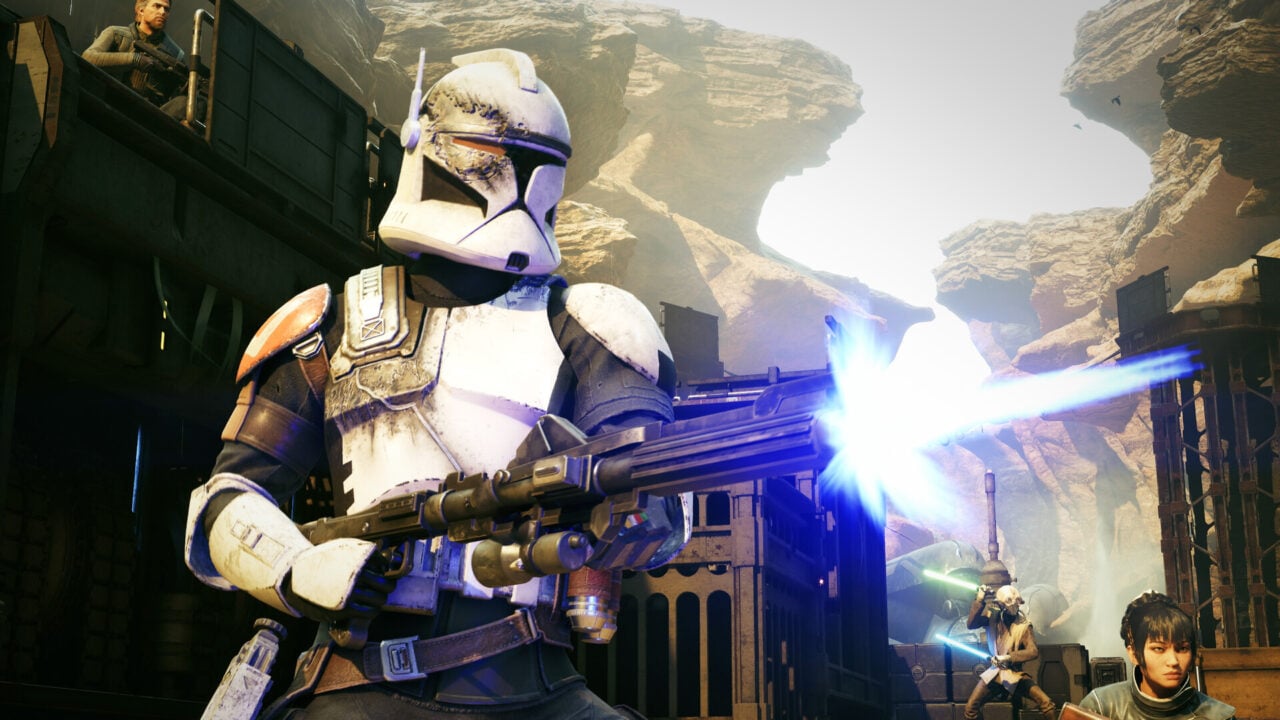
Respawn Entertainment, the studio behind Star Wars Jedi: Survivor, has conducted massive layoffs affecting up to 80 percent of its workforce following the game's critical and commercial success. The decision marks a sharp reversal after the studio earned praise for delivering what many consider the strongest Star Wars title in two decades.
Star Wars Jedi: Survivor launched in April 2023 to strong reviews, with critics praising its lightsaber combat, world design, and narrative depth. The game sold over 10 million copies and established itself as a rare bright spot in the troubled Star Wars gaming landscape. Respawn, owned by EA, appeared positioned for sustained growth and additional projects in the franchise.
Instead, EA implemented companywide cuts that hit Respawn harder than most divisions. The studio, which previously developed Apex Legends and Titanfall, saw its staff gutted in what multiple sources confirmed as a furlough rather than permanent layoffs. This distinction matters. Furloughs can lead to rehiring, though no timeline or guarantees exist.
The scale of the cuts shocked industry observers. Eighty percent represents the upper range of staff reductions, leaving skeleton crews to maintain existing games and support future projects. Such reductions typically signal either severe budget constraints at EA's corporate level or a strategic pivot away from the Star Wars portfolio, or both.
EA's leadership attributed the layoffs to disappointing Q1 earnings and the need to realign spending. However, timing compounds the damage. Respawn had just delivered a critical success. The studio completed its contractual obligations and earned player goodwill. Cutting staff immediately after launch sends a message that even blockbuster performance does not guarantee job security at EA.
The situation echoes broader patterns in triple-A development. Publishers greenlight expensive projects, demand excellence, then shed workers once development cycles complete. Respawn's situation feels particularly harsh because Survivor resonated with players starved for quality Star Wars games. The franchise had endured years of cancelled projects, live-service disasters, and fan backlash.
Respawn cofounders Vince Zampella and Jason West built the studio's reputation on reliable execution and franchise management. They steered Apex Legends into battle royale dominance and maintained its player base for years. Survivor's success validated their creative direction. The furloughs undermine their ability to retain talent and plan long-term projects.
For the Star Wars gaming ecosystem, the cuts carry ominous implications. Respawn was positioned to develop the next major Star Wars title. With most staff sidelined, that project likely stalls or enters extended pre-production. Players waiting for sequels or new Star Wars games face longer delays. The franchise continues its cycle of momentum followed by extended drought.
EA's broader strategy remains unclear. The publisher holds exclusive rights to Star Wars games, meaning no other studio can develop major titles in the franchise. This monopoly should theoretically enable long-term planning. Instead, inconsistent investment and sudden staff reductions suggest EA struggles to identify sustainable approaches to the license.
The layoffs also impact industry morale during already uncertain times. Developers across studios watched Respawn succeed and still lose jobs. The message: exceptional output does not protect workers from corporate restructuring. This reality influences recruitment and retention across the industry, potentially weakening future projects through talent loss.