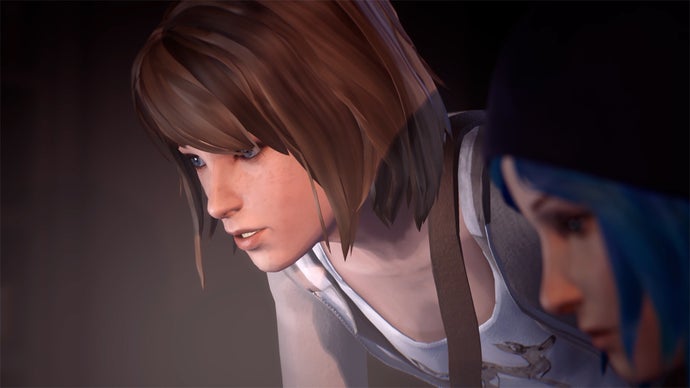
Don't Nod Entertainment, the studio behind Life is Strange, faces significant restructuring as the French developer announced a "transformation initiative" that signals incoming layoffs. The studio disclosed the plan after financial projections showed it would exhaust its cash reserves by November, a crisis that has now accelerated into organizational changes.
Don't Nod built its reputation on narrative-driven experiences, launching the original Life is Strange in 2015 to critical acclaim. The studio expanded with sequels and spin-offs, including Life is Strange: True Colors in 2021 and Life is Strange: Double Exposure in 2024. However, the market for single-player narrative adventures has contracted, and the studio's commercial performance failed to sustain its operating costs.
The June financial report revealed the severity of Don't Nod's position. The studio's cash runway extended only through November, leaving management with limited options. Rather than wait for insolvency, Don't Nod opted to announce a proactive "transformation initiative," industry shorthand for workforce reduction and operational restructuring. The timing of this announcement suggests the studio is attempting to stabilize before November hits.
This marks another casualty in gaming's ongoing contraction. The industry shed thousands of jobs throughout 2023 and 2024, with major studios like Embracer Group, Unity Software, and numerous mid-size developers implementing cuts. Don't Nod's struggle reflects broader challenges: rising development costs, longer production cycles, and market saturation in specific genres. Narrative adventure games, once a booming indie and AA category, face pressure from both market oversupply and shifting player preferences toward live service and multiplayer experiences.
Don't Nod expanded aggressively during industry growth cycles. The studio developed multiple franchises, maintained offices across multiple regions, and invested in new IP beyond Life is Strange. This portfolio diversification, intended as risk mitigation, instead created overhead the studio couldn't sustain when revenues disappointed.
Life is Strange: Double Exposure, released in October 2024, represented the franchise's latest attempt to capture commercial success. The game sold reasonably but failed to generate the revenue needed to offset Don't Nod's operational costs. The lack of blockbuster momentum, combined with a crowded narrative adventure market, left the studio vulnerable.
The "transformation initiative" announcement serves dual purposes. First, it signals to remaining staff, investors, and creditors that management recognizes the crisis and takes corrective action. Second, it allows the studio to right-size operations before November's cash deadline. The restructuring likely involves reducing headcount, consolidating projects, and potentially abandoning lower-priority development efforts.
Don't Nod's situation reflects a painful reality in modern game development. Studios can produce acclaimed titles, build fan communities, and achieve critical recognition without achieving financial sustainability. The business model works only when player spending matches development spend. Life is Strange generated a devoted audience but insufficient revenue to justify its production and operational overhead.
The transformation initiative remains unspecified in its details. Investors and employees await clarity on which projects survive, how many jobs vanish, and whether the studio can stabilize under a smaller operational footprint. For now, Don't Nod joins dozens of other studios attempting restructuring in an industry where layoffs have become routine rather than exceptional.