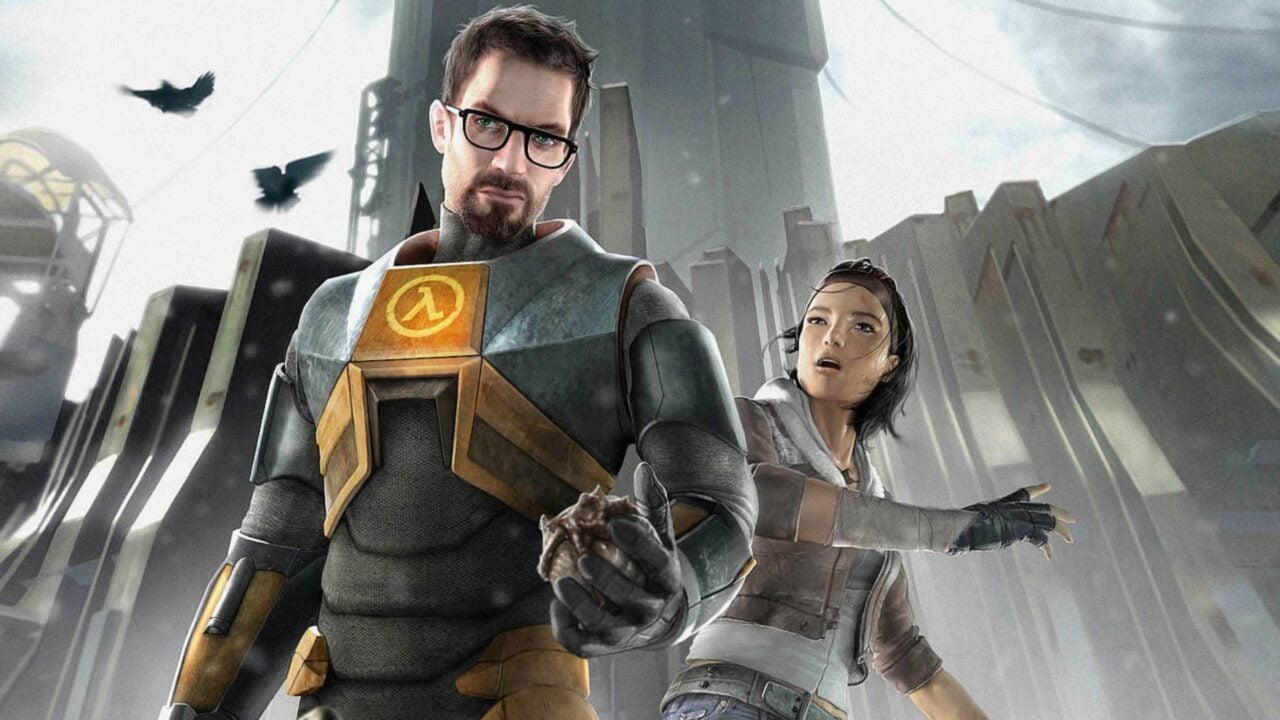
The massive 13TB Steam infrastructure leak that surfaced 48 hours ago has exposed a significant cache of unreleased Valve projects, reigniting speculation about the studio's notoriously secretive development pipeline. The leak, dubbed "Steam2" by the community, grants unprecedented access to internal Valve repositories and reveals game concepts, prototypes, and abandoned titles that never reached public awareness.
What investigators have uncovered so far paints a picture of a studio constantly experimenting across multiple genres and platforms. Valve, historically protective of its internal work, faces renewed scrutiny over what projects existed beyond its flagship releases like Half-Life, Portal, Team Fortress 2, and Counter-Strike 2. The leak contains source code, asset files, and design documentation that illuminate the company's development philosophy and risk tolerance.
The sheer scale of 13 terabytes makes complete analysis an ongoing effort. Gaming communities on Reddit, Discord, and specialized forums have organized crowd-sourced investigations to catalog discoveries methodically. Early findings include references to experimental titles, abandoned mechanics, and cancelled initiatives that hint at roads not taken in Valve's history. Some revelations connect to long-standing community theories about the studio's secretive nature.
Valve has not publicly commented on the leak's authenticity or scope. The company's legal team typically responds to such incidents through cease-and-desist notices rather than official statements. The studio's tight-lipped approach to development means fans treat any leaked material as precious insight into how one of gaming's most influential creators operates behind closed doors.
The discovery raises questions about Valve's current priorities. The company has shifted focus toward Steam Deck development, VR initiatives through Half-Life Alyx, and maintaining massive online multiplayer titles rather than pursuing traditional single-player campaigns. Whether the leaked projects represent abandoned ambitions or repurposed technology remains unclear. Some assets may have migrated into current products like Counter-Strike 2 or Source 2 engine development.
This leak arrives amid broader industry conversations about corporate transparency and institutional knowledge preservation. Unlike studios that publish developer diaries or post-mortems, Valve guards its creative process aggressively. The involuntary disclosure forces examination of what knowledge remains trapped in corporate servers versus what reaches public discourse.
For archival communities dedicated to video game preservation, the leak represents critical historical documentation. Information about Valve's design decisions, failed experiments, and technological exploration enriches understanding of how modern game development actually functions. The gap between public-facing products and internal experimentation spans vast terrain.
Security analysts will scrutinize how such an enormous data repository escaped containment. The implications extend beyond Valve, affecting every studio maintaining servers with proprietary development materials. This incident intensifies calls for stronger cybersecurity protocols across the industry.
The leak continues yielding discoveries. As researchers systematically parse through terabytes of files, additional game projects, cancelled initiatives, and technical documentation surface regularly. The full picture of Valve's hidden development history remains incomplete, but the contours grow clearer with each analyzed folder.