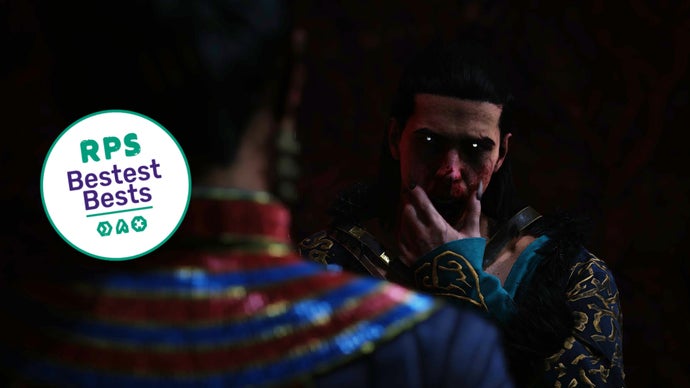
The Blood of Dawnwalker delivers the kind of intricate world-building and surprise narrative moments that establish it as a genuine contender among today's top-tier RPGs. Developer Heretic Interactive crafted a game where even routine fetch quests transform into layered experiences that subvert player expectations.
The game opens with deceptive simplicity. A peat digger vanishes into a cave. The brother requests help. Standard quest structure, the kind players have completed thousands of times across decades of RPGs. But Dawnwalker refuses to stay pedestrian. What begins as a straightforward rescue morphs into something darker and more complex. The moment tension breaks the surface of that cave dive signals the designer's intent. This is not a game content to let players sleepwalk through objectives.
That design philosophy distinguishes Dawnwalker in a crowded RPG market. Too many games, even well-reviewed ones, treat early quests as pure tutorial busywork. Heretic Interactive treats them as storytelling opportunities. The peat digger cave sequence establishes trust with the player. You expect mundanity and receive atmosphere, consequence, and narrative substance instead.
The game lands in a marketplace saturated with fantasy RPGs ranging from massive AAA productions like Baldur's Gate 3 to indie darlings pushing genre boundaries. Dawnwalker occupies compelling middle ground. It demonstrates the kind of thoughtful quest design that separates memorable experiences from forgettable content. When a simple "find the missing person" task carries genuine dread, when environments whisper stories alongside text, that's when RPG design transcends mechanics and becomes art.
The writing quality clearly runs deep. Early game snippets reveal writers who understand pacing, misdirection, and environmental storytelling. The cave complex itself becomes a character. Sounds echo with menace. Spatial design creates tension. Players don't just retrieve a person; they uncover something darker lurking beneath the surface of what appeared to be a peaceful rural community.
This approach has obvious appeal to players fatigued by bloated quest logs and cookie-cutter objectives. The Baldur's Gate 3 era proved audiences hunger for reactive worlds and writing that respects their intelligence. Dawnwalker appears to answer that call with focus and specificity rather than sprawling ambition.
Heretic Interactive's debut sends a clear message about studio priorities. Rather than prioritize quantity of content, they invested in quality of encounter design. That choice pays dividends. A single cave dive becomes the game's thesis statement: even small moments matter. Even early quests deserve craft and consideration.
The Blood of Dawnwalker arrives at a moment when the RPG genre actively searches for fresh voices and approaches. Massive studios chase cinematic scale and player choice systems. Dawnwalker instead champions atmosphere, surprise, and the quiet horror that emerges when routine work uncovers something sinister. That focus, that discipline, earns its place among the best RPGs currently available. Players looking for games that respect their time and reward exploration should mark this one as essential.