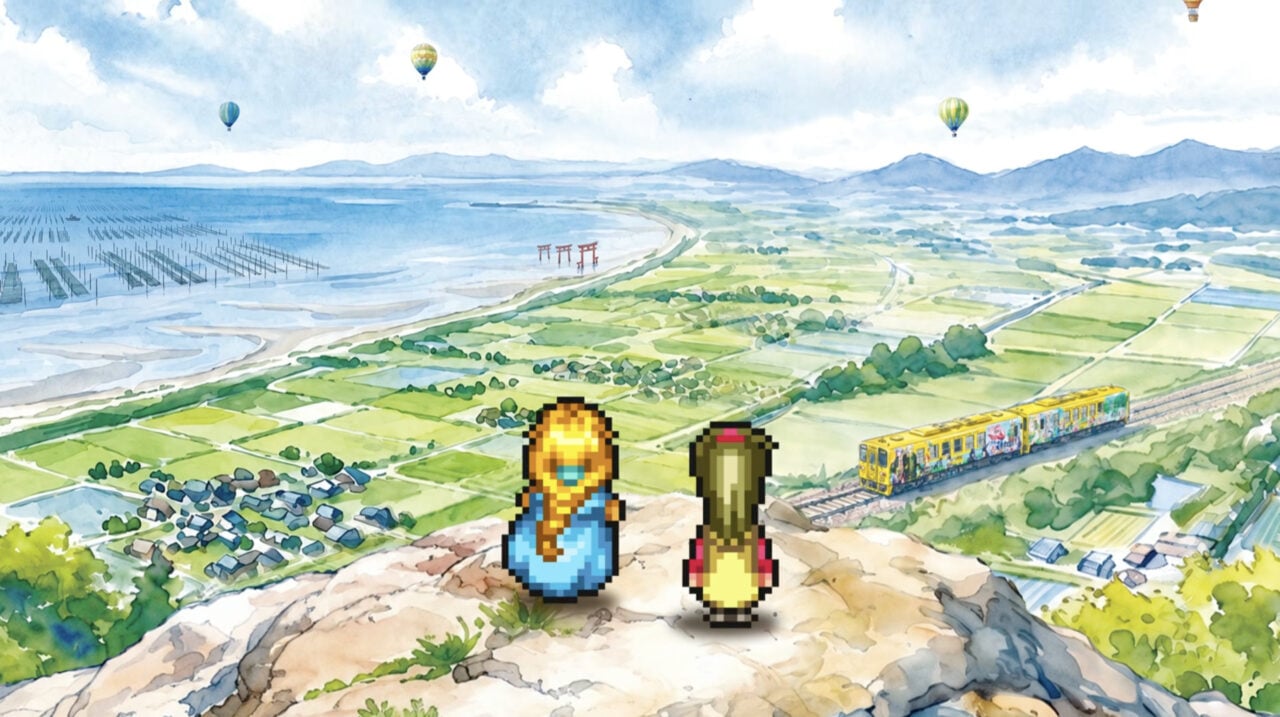
Square Enix is weaponizing its SaGa franchise for tourism, launching a collaboration that ties the classic JRPG series directly to real-world destinations across Japan. The initiative marks a pivot in how major publishers leverage intellectual property beyond games, transforming beloved game worlds into travel experiences.
The SaGa franchise, created by Yoichi Miyaji at Square (before the Enix merger), spans three decades of experimental turn-based combat systems and branching narratives. From the original Game Boy titles through SaGa Frontier and its 2021 remaster on PC and PlayStation, the series has cultivated a devoted cult following. This tourism push extends that reach into physical spaces, positioning game lore as a driver for regional visitation.
Details remain sparse, but the collaboration pairs SaGa locations with actual Japanese tourism boards and destinations. This model mirrors successful precedents. Pokémon has anchored regional tourism campaigns for years. Persona 5 transformed Tokyo's Shibuya district into a de facto pilgrimage site for fans. Nintendo's Zelda: Breath of the Wild influenced travel patterns to New Zealand, where portions were filmed. Square Enix itself experimented with Final Fantasy XV tourism tie-ins in Japanese regions.
What separates SaGa's approach is timing and necessity. Japanese tourism faces pressure post-pandemic as domestic travel recovers and international visitor patterns shift. Regional governments actively court entertainment partnerships to drive spending. Square Enix benefits from positioning SaGa as culturally rooted, tapping narrative threads from across the franchise's various timelines and settings. The 2024 release of SaGa Emerald Beyond on multiple platforms refreshed player interest and gave marketing leverage for an initiative like this.
The initiative also reflects Square Enix's broader strategy under CEO Yosuke Matsuda, who has pushed the company toward transmedia expansion. The firm invests in anime adaptations, mobile games, and live events. A tourism collaboration costs relatively little compared to full video game development while generating positive PR and tapping new revenue streams through licensing and partnerships.
For players, the move bridges digital and physical spaces in ways increasingly common across the industry. Genshin Impact players already travel to real locations mirroring in-game areas. Fate series fans visit shrine locations tied to servant designs. This blurs the line between fandom pilgrimage and official marketing, creating mutual benefit. Regional economies gain tourism dollars. Publishers gain brand loyalty and organic social media promotion.
The SaGa franchise itself stands to gain from renewed visibility. While beloved, the series never achieved mainstream status like Final Fantasy or Dragon Quest. Tourism partners introduce SaGa to travelers who may never have played the games, creating potential new audience conversion. Localization decisions and porting strategies for older titles suddenly gain weight if tourism partners push interest.
Square Enix's move signals Japanese publishers are viewing tourism as a primary revenue stream alongside traditional game sales. As entertainment becomes increasingly experiential and franchises operate across mediums, game worlds are becoming destinations themselves. The SaGa initiative proves that even niche properties can anchor real-world experiences when matched with the right partners and locations. Expect more publishers to follow as regional tourism boards recognize gaming's economic pull.