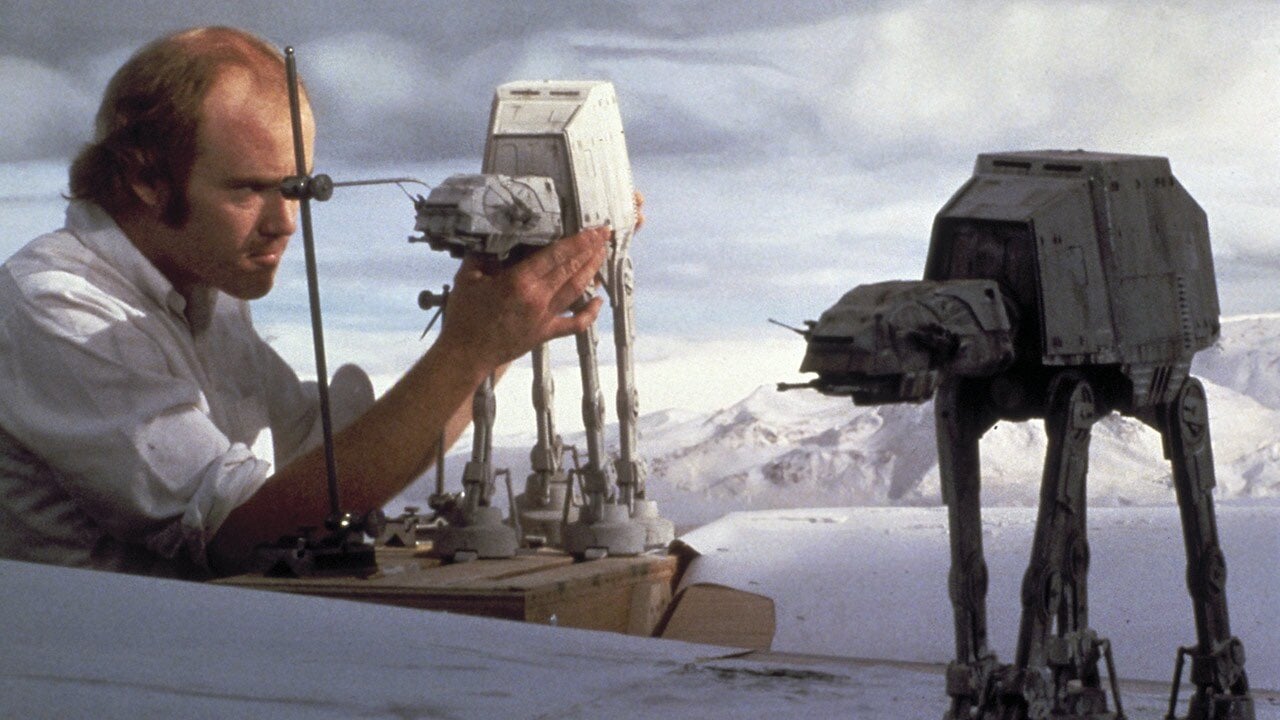
Phil Tippett's legendary visual effects studio closed its doors this week after four decades of industry-defining work. The shutdown follows a Chapter 11 bankruptcy filing, marking the end of an era for one of cinema's most pioneering puppetry and stop-motion animation houses.
Tippett founded his studio in the early 1980s, building a reputation that defined creature effects across some of Hollywood's biggest franchises. His work graced the original Star Wars trilogy, Jurassic Park, Starship Troopers, and dozens of other blockbusters. The studio became synonymous with practical effects mastery at a time when CGI was still emerging as a dominant force in filmmaking.
The financial collapse represents a broader industry crisis. Practical effects studios face mounting pressure from budget constraints, the shift toward all-digital pipelines, and competition from larger VFX conglomerates. Tippett's closure signals that even legendary craftspeople cannot always survive market consolidation and changing production economics.
Tippett himself remained active in recent years. He directed Mad God, a cult horror stop-motion film released in 2021 that showcased his continued technical prowess and artistic vision. The project proved he could still deliver innovative practical creature work despite the studio's financial struggles. Yet creative success did not translate to fiscal survival.
The bankruptcy forces Tippett to liquidate over 40 years of accumulated assets, puppets, molds, and equipment. This archive represents irreplaceable movie history. Collectors, museums, and studios will likely compete for pieces of the collection, but the dispersion of Tippett's workshop means the loss of an integrated creative environment that mentored generations of effects artists.
The studio's closure arrives during a contentious period for visual effects workers. VFX companies have faced criticism for chronic underbidding on projects, long hours, and inadequate compensation. Major studios like Disney and Marvel have relied heavily on outsourced effects work, driving down rates industry-wide. This race to the bottom has devastated smaller boutique houses that specialized in premium practical work.
Tippett's situation differs from typical indie VFX shops struggling to compete on cost. His studio commanded premium rates because it delivered premium results. Yet even that reputation proved insufficient against larger economic forces reshaping Hollywood production.
The practical effects community mourned the closure publicly. Tippett mentored countless artists who went on to lead their own shops and shape blockbuster franchises. His influence on creature design and stop-motion technique runs deep through multiple generations of filmmakers and technicians.
The timing underscores a troubling trend. As Hollywood increasingly prioritizes digital-first workflows and outsources effects work to regions with lower labor costs, spaces for experimental practical effects work evaporate. Studios like Tippett's offered filmmakers something larger operations could not: direct collaboration with legendary craftspeople who shaped cinema itself.
Whether Tippett continues directing films or pursues new creative ventures remains unclear. What is certain is that his studio's closure represents a loss for filmmakers seeking the authentic physicality and artistic depth that practical effects can deliver.