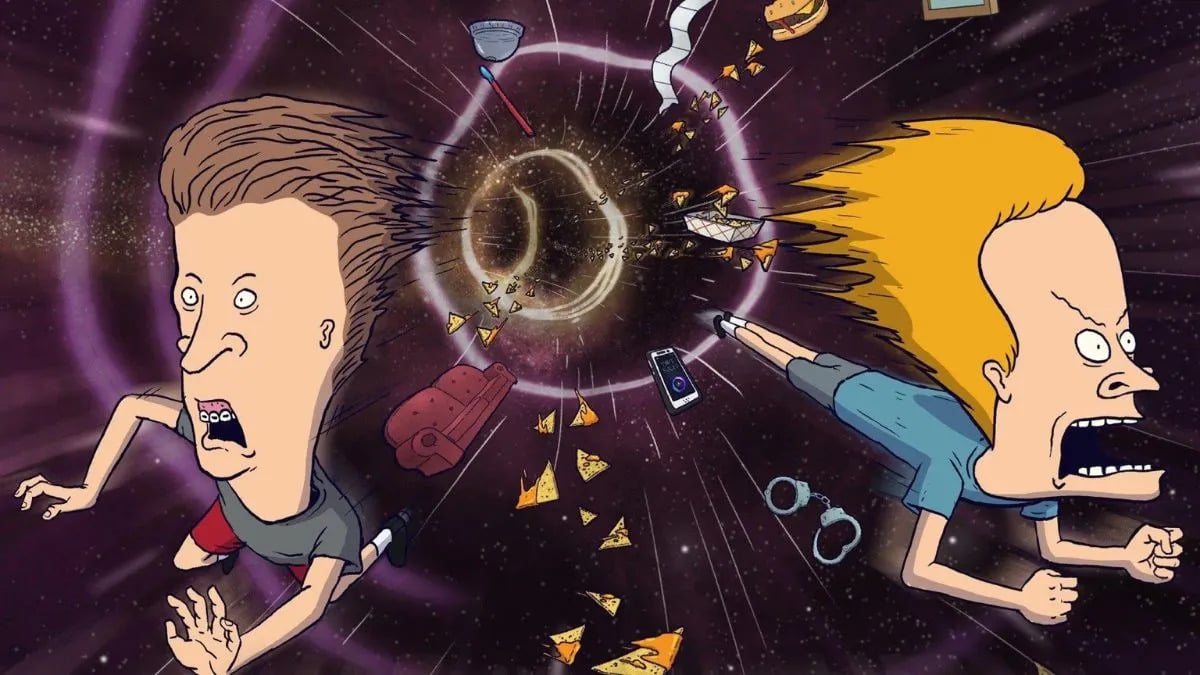
Mike Judge is reclaiming Beavis and Butt-Head from Paramount, marking a significant shift in the ownership of one of animation's most enduring franchises. The move comes as Skydance Media, led by David Ellison, faces mounting obstacles in its bid to acquire Paramount Global, creating an opening for Judge to retake creative and commercial control of the characters he created.
Judge built Beavis and Butt-Head into a cultural phenomenon starting in 1993 on MTV. The show's irreverent humor and satirical take on teenage life spawned two theatrical films, countless spin-offs, and multiple revival attempts. Paramount acquired the property years ago, controlling the characters through various media deals and licensing arrangements. More recently, the studio brought the franchise back with Beavis and Butt-Head Do the Universe on Paramount Plus in 2022, attempting to modernize the property for streaming audiences.
Ellison's Skydance has been negotiating a multi-billion dollar acquisition of Paramount for over a year. The deal, originally valued at around 8 billion dollars, faced regulatory scrutiny and shareholder resistance. Delays and complications have stalled the merger, weakening Paramount's negotiating position with talent and content creators. Judge seized this window of vulnerability to move against his former home studio.
The reclamation strategy reflects a broader industry trend of creators wrestling back control from legacy studios. Judge's leverage stems from his ongoing relevance and creative ownership of the intellectual property. Unlike many franchises controlled entirely by studios, Beavis and Butt-Head remain inseparable from Judge's comedic vision. Studios recognize that Judge's involvement drives both critical credibility and fan engagement.
This development complicates Skydance's timeline. If Judge secures the rights, he could negotiate directly with whichever entity ultimately controls Paramount, whether that remains the current parent company or becomes Skydance following a completed acquisition. The uncertainty around Paramount's future ownership position makes such properties vulnerable to reclamation by their original architects.
For Judge, regaining Beavis and Butt-Head opens multiple paths forward. He could develop new content exclusively for a competing streamer, license the characters independently, or maintain creative control while partnering with a distributor. Judge already operates with considerable autonomy on his other projects, including Silicon Valley which aired on HBO and later Max. His track record of sustained critical success gives him leverage most creators lack.
The timing also matters for franchise viability. Beavis and Butt-Head's last appearance on Paramount Plus drew modest engagement compared to the platform's flagship shows. Judge's involvement could revitalize the property for audiences who grew up with the original series and new viewers discovering the characters through cultural osmosis and meme culture.
This situation demonstrates how industry consolidation and merger complications create opportunities for creators to reclaim their work. Judge's move signals that aging entertainment properties lose value when their original voices remain sidelined. Studios like Paramount increasingly face pressure from talent who understand their own material's market power better than corporate gatekeepers do.