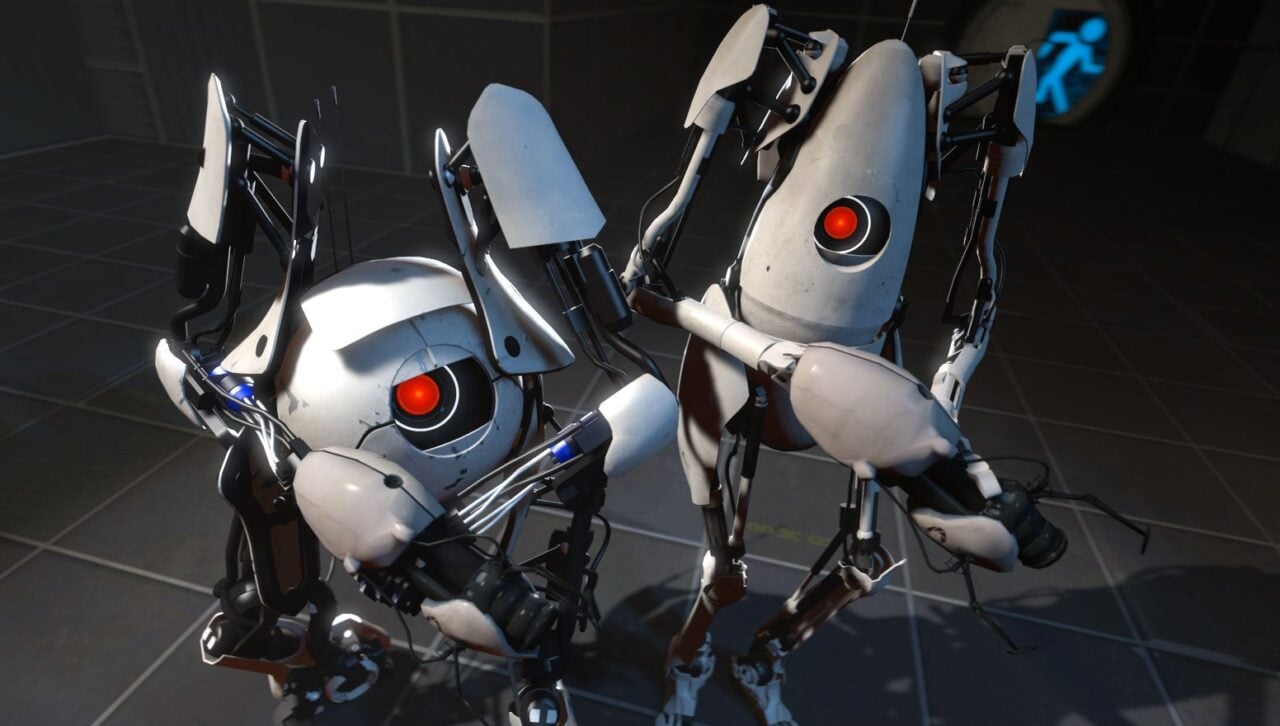
A massive data breach has exposed internal Valve server files containing unreleased beta builds and development versions of major Source engine games, according to reports from Kotaku. The leaked dataset spans approximately a decade of Steam depot data, from 2003 through 2013, totaling roughly 13 terabytes of material.
The leak reportedly includes pre-release builds of Portal 2, Left 4 Dead 2, Half-Life 2, Counter-Strike: Source, and Team Fortress 2, alongside potentially thousands of first and third-party titles. These aren't finished products. They're internal development snapshots, debug versions, and experimental builds that Valve never intended for public distribution.
Valve has not officially confirmed the breach or its scope, but the implications reach far beyond simple curiosity. Access to beta builds provides insight into development philosophy, cut content, and abandoned mechanics. For a studio like Valve, which guards its development process closely, this represents a significant security failure.
The 13TB archive circulated on internet forums beginning in early 2024, though awareness spread slowly until tech journalists investigated its authenticity. Verification proved difficult because the files required specific tools and technical knowledge to extract and examine. Once verified, however, the breach's scale became apparent.
Source engine games dominate the PC gaming landscape. Half-Life 2 revolutionized first-person shooters on PC. Portal 2 redefined puzzle game design. Counter-Strike remains one of the most successful competitive shooters ever made, with millions of active players across Counter-Strike: Global Offensive and Counter-Strike 2. Left 4 Dead 2 defined cooperative multiplayer for an entire generation. Leak access to early versions of these titles provides competitors and bad actors with architectural blueprints.
The temporal window matters here. 2003 to 2013 covers Valve's peak development period for these franchises. It includes iterations that shaped what these games became. While the leaked builds are years old, they contain valuable intellectual property and reveal how Valve approached problems that modern developers still face today.
Third-party developers who shipped games on Steam during this window also suffer exposure. Many independent studios and mid-tier publishers used Valve's infrastructure to distribute their work. Their internal development data now exists in the wild, potentially compromised through no fault of their own.
The gaming industry has experienced several major leaks in recent years. Rockstar Games suffered a Grand Theft Auto 6 leak in 2023 that included early gameplay footage and source code fragments. EA's servers were breached in 2021, exposing FIFA game files. Activision faced network intrusions. Each breach raises questions about corporate cybersecurity spending and prioritization in an industry worth over $180 billion annually.
Valve's response strategy remains unclear. The company historically moves slowly on public communications, preferring silence to detailed statements. The studio last released a major new game in 2007 with Team Fortress 2. Its development practices and internal processes have become industry folklore, discussed in countless GDC presentations and retrospectives. This leak transforms speculation into documented fact.
For archivists and game preservation advocates, the leak presents ethical complications. Historical data about how software evolved possesses cultural value. Yet accessing stolen intellectual property raises legal and moral questions that the gaming community continues to debate.