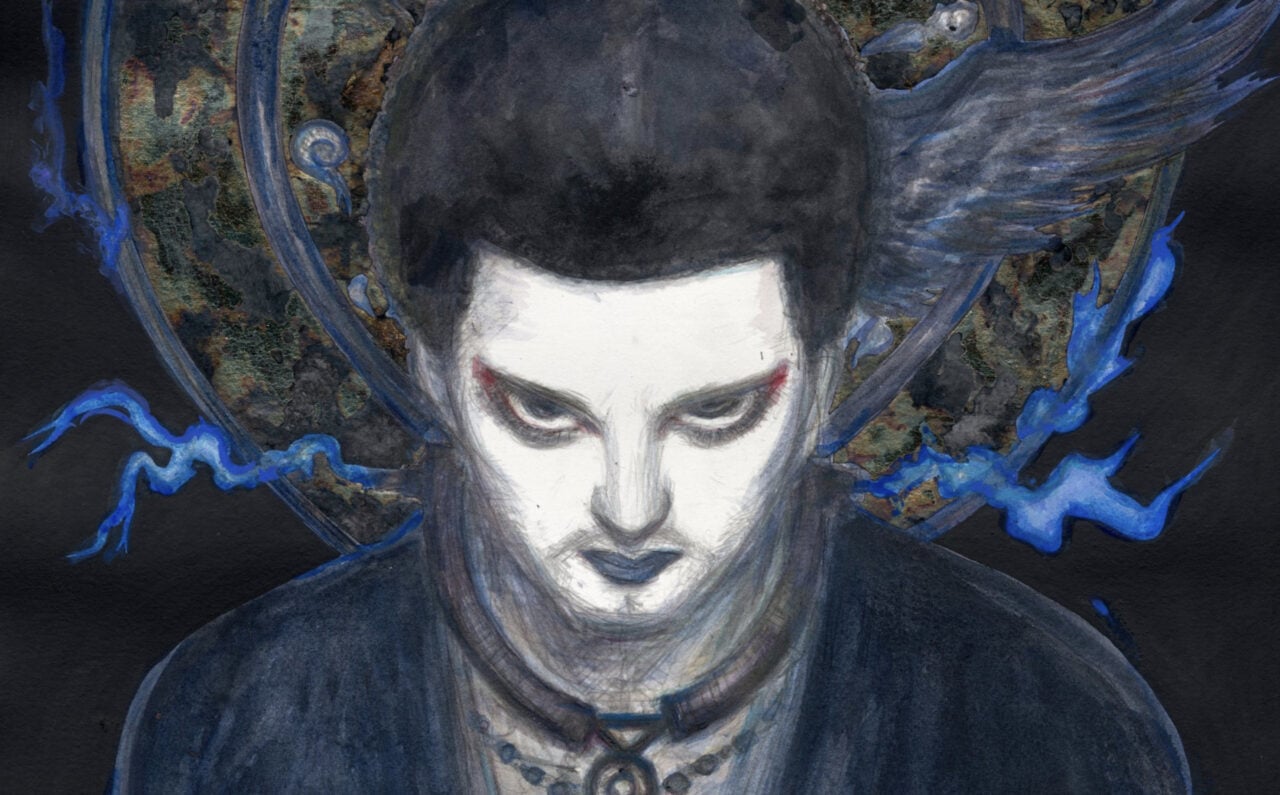
The Weeknd's latest collaboration pushes into unexpected territory. Legendary Final Fantasy artist Yoshitaka Amano reimagined the Canadian pop star's music through the lens of classic Japanese RPG aesthetics, creating a visual bridge between two entertainment worlds that rarely intersect.
Amano, who designed characters for nearly every mainline Final Fantasy title since the original 1987 release, brought his signature style to The Weeknd's work. His distinctive art direction, characterized by flowing ink lines and ethereal character designs, transformed the pop musician's visual identity into something that feels at home in a fantasy setting. The collaboration emerged partly through The Weeknd's direct social media outreach to Amano, showcasing how modern celebrity can bypass traditional gatekeepers to connect with industry legends.
This isn't The Weeknd's first venture into gaming spaces. The artist previously collaborated with Epic Games on Fortnite events and contributed music to various interactive media projects. However, partnering with Amano specifically signals a deeper engagement with Japanese gaming culture and a respect for the artist's four-decade legacy shaping how millions visualize fantasy worlds.
Amano's involvement carries weight beyond novelty. His work defined the visual language of Final Fantasy across generations. From Cloud Strife's spiky-haired silhouette to Aerith's ethereal presence, Amano's character work became synonymous with the franchise itself. Having him reinterpret a contemporary pop artist speaks to the eroding boundaries between music, gaming, and visual art in 2024.
The collaboration also reflects broader industry trends. Western pop stars increasingly view gaming and anime aesthetics not as niche interests but as mainstream cultural currency. The Weeknd joining artists like Travis Scott and Post Malone in seeking gaming partnerships acknowledges where Gen Z audiences spend their time and attention.
For Amano specifically, this project demonstrates continued relevance despite reduced involvement in recent Final Fantasy titles. While Square Enix moved away from his character design for newer installations, his cultural cachet remains intact. The Weeknd's interest validates that Amano's visual language transcends his original medium.
The mechanics of how this collaboration came together matter. The Weeknd's willingness to directly engage with artists on social media, combined with Amano's openness to experimental work outside traditional game development, shows how creative collaboration now bypasses formal studio structures. Neither party needed corporate intermediaries to make this happen. That accessibility shifts how artists across disciplines can find and work together.
The specific visual output of this reimagining remains the focal point. Whether the collaboration produced album artwork, music video concepts, or exclusive art prints determines its cultural footprint. Given Amano's meticulous approach to character design, fans can expect detailed, contemplative work rather than quick digital mockups.
This project sits within a larger conversation about cross-cultural artistic exchange. Japanese game aesthetics permeate global pop culture now. K-pop idols reference anime, American rappers sample video game soundtracks, and indie musicians build entire concepts around Final Fantasy lore. Amano and The Weeknd's collaboration simply makes explicit what already existed implicitly in contemporary entertainment.