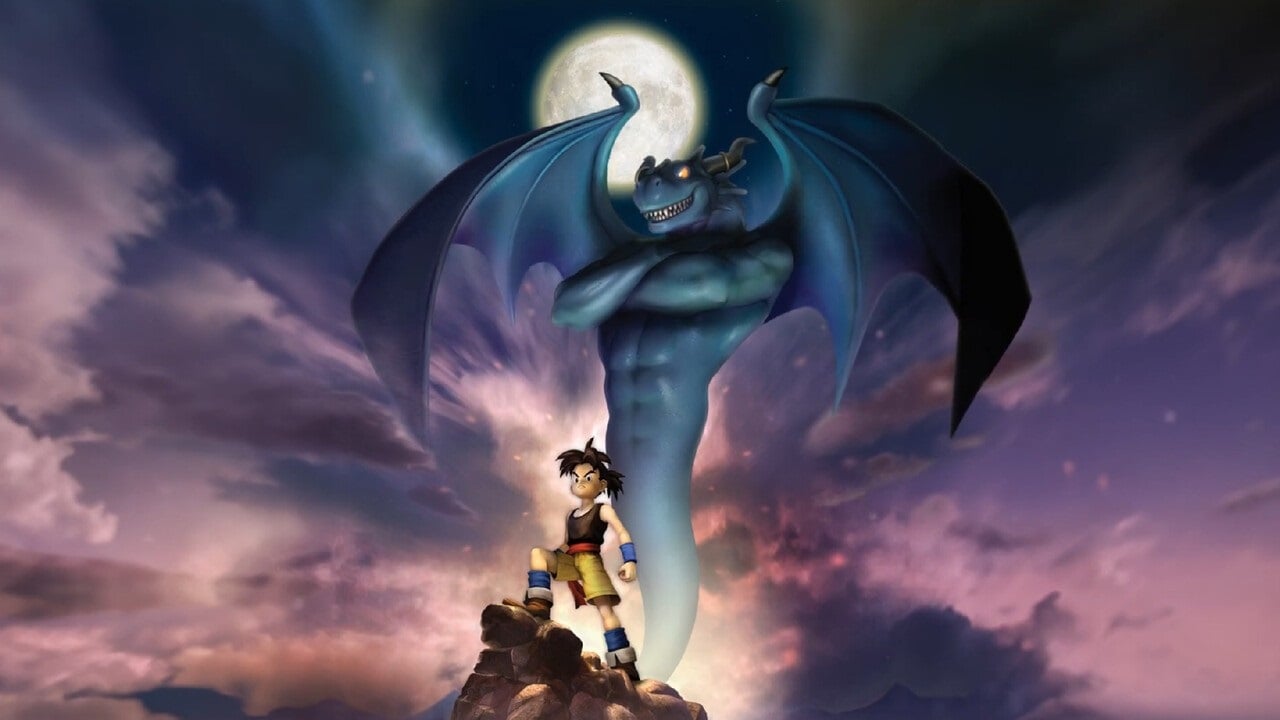
# Blue Dragon and Eight Other RPG Battle Themes That Defy Convention
Blue Dragon's battle theme ranks among gaming's most audacious musical moments. Developed by Mistwalker and published by Microsoft in 2006 for Xbox 360, the Akira Toriyama-designed JRPG features a combat score that abandons traditional orchestral bombast in favor of something far stranger. The composition doesn't settle into familiar patterns. It builds, breaks, restructures itself, and defies easy categorization.
This track exemplifies a broader phenomenon in RPG design. Developers occasionally reject the rulebook entirely when crafting battle music. They abandon melody-driven heroics or dramatic orchestration. Instead, they experiment with unconventional structures, jarring instrumentation, and compositions that actively confuse listeners during their first encounter.
Blue Dragon emerged during the mid-2000s JRPG renaissance. Microsoft funded the project to establish exclusive content on Xbox 360, bringing Toriyama's distinctive character designs to console players. The soundtrack, composed by Nobuo Uematsu, contains moments of genuine eccentricity. The battle theme refuses to telegraph danger through traditional means. It creates unsettling energy through atypical arrangements.
Other RPGs have taken similarly bold approaches to combat music. Persona 5 layers its battle themes with jazz fusion elements that clash with traditional combat scoring conventions. Dragon Quest XI incorporates folk instruments into battle compositions that shift tonal centers unexpectedly. Final Fantasy VII Remake remixes Uematsu's original work into something that retains familiarity while introducing progressive rock textures.
Digital Devil Saga employs industrial and electronic production during fights, creating music that sounds more like Deus Ex soundtrack material than traditional JRPG fare. The Trails series experiments with complex time signatures that match the intricacy of its turn-based combat systems. Chrono Trigger, despite releasing in 1995, featured Yasunori Mitsuda's compositionally dense battle tracks that avoided straightforward action scoring.
Fire Emblem games employ brass arrangements that prioritize rhythm over melodic hooks. Persona 3's battle themes layer synthesizers with live instrumentation in ways that feel deliberately unsettling. Tales of Berseria incorporates metal and rock elements that clash with the game's anime aesthetic.
The unhinged battle theme serves a specific purpose beyond novelty. It keeps players engaged during repetitive combat scenarios. Standard battle music becomes background noise after the hundredth fight. Unconventional composition demands active listening. It signals that developers view combat as an experience deserving creative investment rather than functional padding.
Blue Dragon's battle theme lingers precisely because it refuses categorization. It neither comforts nor dramatically threatens. It exists in an uncomfortable space between multiple moods. That discomfort kept it memorable for players across two decades. The track launched discussions about video game music composition that continue today.
RPG battle themes occupy unique compositional space. They repeat constantly during playtime. They require immediate recognition while maintaining engagement across dozens of encounters. Successful battle music accomplishes both simultaneously. Blue Dragon's approach trades accessibility for memorability. That trade-off explains why players still discuss it today and why it deserves space alongside other unconventional combat scores in RPG history.