Asobo Studio's Resonance: A Plague Tale Legacy represents a deliberate departure from the franchise formula, and that gamble yields mixed results. The spinoff strips away the narrative intimacy and atmospheric tension that defined A Plague Tale: Innocence and A Plague Tale: Requiem, replacing them with a more conventional action-game structure that competently executes its mechanics without capturing the soul of its predecessors.
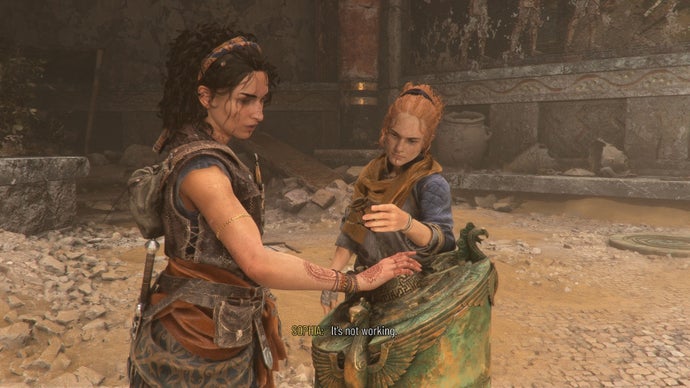
The game abandons series protagonists Amicia and Hugo entirely. Instead, players control Sophia, a character whose backstory connects to the original trilogy. Set 16 years before Requiem's events, Resonance explores how Sophia became the woman who would eventually aid Amicia's escape across war-torn medieval France. This narrative framing gives Asobo Studio breathing room to tell a standalone story, but the shift fundamentally changes what a Plague Tale game feels like to play.
The core identity of Innocence and Requiem rested on stealth, puzzle-solving, and environmental storytelling wrapped in a deeply personal narrative about two siblings navigating impossible circumstances. Those games succeeded because mechanical tension served emotional storytelling. The Inquisition's soldiers hunted you. Rat swarms threatened you. But the real stakes centered on Amicia and Hugo's bond and their desperate survival.
Resonance leans harder into action. Combat encounters feel more frequent. Encounters emphasize player agency through combat options rather than evasion and stealth. The game competently delivers these systems. Combat feedback registers clearly. Enemy AI poses genuine threats. Environmental design supports tactical approaches. Yet competence doesn't equal identity. Resonance plays like a solid action title that happens to carry the Plague Tale name, not like an evolution of what made the franchise distinctive.
The prequel setting also distances the narrative from the emotional core that made the originals resonate. Amicia and Hugo's relationship powered Innocence. Hugo's curse and its implications drove Requiem's stakes. Sophia's story, however personal it may be within the game's world, lacks that same connective tissue to what players already experienced. The franchise built goodwill through character investment, and Resonance doesn't leverage that effectively.
Asobo Studio faces a real creative challenge here. Franchises need evolution to avoid stagnation, yet departure risks alienating the audience that sustained the series. Resident Evil went full action with Resident Evil 6 and faced backlash before returning to its roots. The Last of Us Part II split its audience through tonal shifts. The line between evolution and dilution proves razor-thin.
Resonance executes its action mechanics with technical proficiency. Level design offers environmental variety. The 16-year prequel timeline provides justification for mechanical differences. These elements work together as a game. They simply don't work together as A Plague Tale.
The spinoff model carries inherent risk. Players don't expect spinoffs to reinvent their franchises, but they also don't expect them to feel like completely different games wearing the franchise's aesthetic. Resonance lands in that uncomfortable middle ground. It's competent enough to play, but not distinctive enough to justify its existence as a Plague Tale game rather than as an original action title.
For franchise enthusiasts, Resonance offers a technically sound action experience that expands the Plague Tale universe. For those who fell in love with the atmospheric storytelling of the originals, it feels like the series has traded what made it special for broader commercial appeal.