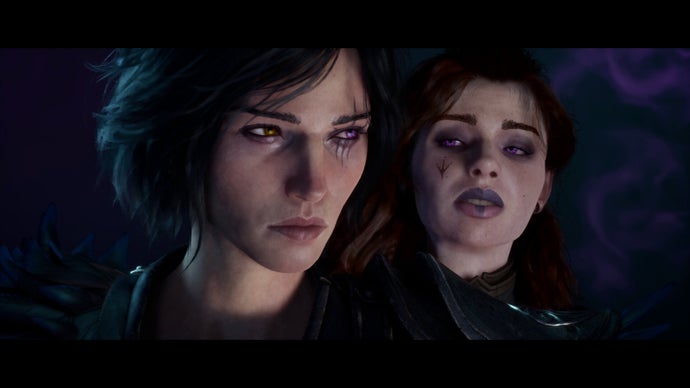
Gamescom 2026 opened with the usual spectacle. Geoff Keighley's Opening Night Live delivered trailers and announcements across multiple platforms. Rock Paper Shotgun's team took an unconventional approach to coverage, stepping back from live reporting to experience the showcase as regular players would rather than scrambling for first-click advantage.
The outlet's editorial decision reflects a broader shift in games journalism. Instant live coverage of massive industry events often delivers diminishing returns. The trailer dumps, the choreographed reveals, the carefully timed exclusives. These moments flood social media within seconds anyway. Being first matters less when being first means recycling press releases and footage viewers have already consumed elsewhere.
The roster at Gamescom 2026 included notable entries. Dungeons & Dragons received new game adaptations, continuing the fantasy RPG's aggressive push into interactive media following successful titles like Dark Alliance and the Baldur's Gate 3 phenomenon. LEGO franchises showed up with another licensed collaboration. These aren't surprises. LEGO consistently leverages its toy partnerships into games across consoles and PC.
What stands out is Rock Paper Shotgun's acknowledgment of "mounting ennui" around these events. The headline frames fatigue as real and worth discussing. Games industry events have become formulaic. Publishers announce games months or years before release. Coverage cycles repeat. The same cycle churns at every major show: E3, Gamescom, The Game Awards, Summer Game Fest. Journalists burn out. Audiences scroll past announcements they'll forget within weeks.
The publication's choice to decline participation in the live-reporting arms race is deliberate pushback. Editor Julian Benson reportedly walked away from conventional coverage duties. Freelancer Oisin Kuhnke maintained regular evening newswriting, but the team experimented with asynchronous consumption. Some staff watched from bed. Others integrated the showcase into normal viewing habits rather than treating it as a production deadline emergency.
This matters for the industry. When major outlets stop treating opening night spectacles as must-cover events requiring real-time presence, it signals a reckoning. The economics of live coverage don't justify the labor costs. The competitive advantage of being first on a particular trailer announcement has collapsed. Readers get news from Twitter, YouTube, Reddit, Discord. By the time any outlet publishes, the information already exists everywhere.
Rock Paper Shotgun focuses on PC gaming and indie titles. That niche positioning gives them flexibility. AAA publisher announcements matter less to their core audience than deep dives into smaller releases and developer interviews. Attending Gamescom in person still makes sense for networking and hands-on time with unreleased games. Rushing back to desks to transcribe live stream reveals does not.
The subtext here extends beyond one publication's coverage strategy. The games press increasingly questions whether attending these massive events justifies travel costs, time away from home offices, and the physical and mental strain of live reporting marathons. Publishers still need outlets present for access and interviews. But the artificial urgency around trailer reveals diminishes yearly.
Gamescom 2026 will deliver announcements worth covering. D&D games, LEGO collaborations, the usual blockbuster fare. Rock Paper Shotgun will still report on those. The difference is they're taking their time and maintaining sanity in the process. That's the real story here.