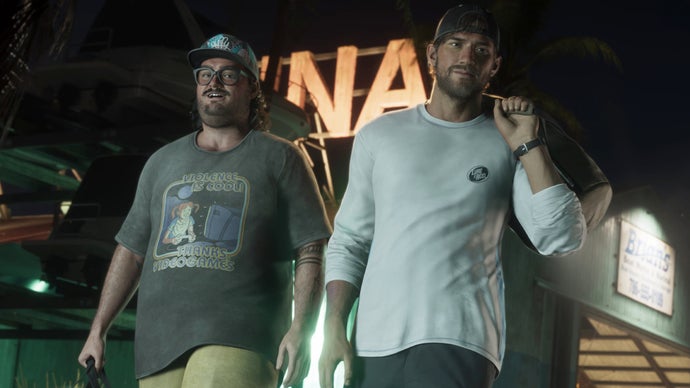
Hackers claiming pro-consumer motivations have leaked alleged GTA 6 footage, triggering rapid DMCA takedowns across the internet. The group behind the breach stated their actions target anti-consumer practices by publishers, specifically citing issues around games-as-a-service models and the removal of offline functionality from titles like The Crew.
Stop Killing Games, the organization advocating for consumer rights in gaming, has publicly distanced itself from the leak. The group issued a statement warning that such actions "risk tarnishing the reputation of our communities." This marks a sharp divide between activist groups pushing for reform through legal channels versus hackers using data theft as leverage for their messaging.
The leaked footage appears to show gameplay from Rockstar Games' long-awaited Grand Theft Auto VI, one of the most anticipated releases in the industry. The studio has deployed aggressive copyright enforcement, with DMCA notices scrubbing the material from social platforms and video hosting sites within hours of the leaks surfacing online.
Stop Killing Games has spent months organizing campaigns against games losing offline functionality and server shutdowns that render purchases inaccessible. The organization supports legislation like the right-to-repair principles now being explored in the EU and has built credibility through petitions, open letters, and advocacy work. The group opposes connecting their legitimate consumer advocacy to illegal hacking operations, even when those operations claim aligned goals.
The timing proves awkward for the pro-consumer movement. GTA 6 represents exactly the kind of tentpole release that could benefit from conversations about consumer ownership, digital rights, and anti-consumer design patterns. Yet using stolen corporate data as a platform for that message undercuts the legitimacy of these arguments. Rockstar's legal response overshadows any substantive debate about whether their practices deserve scrutiny.
Rockstar Games has not commented on the leak's content or the hackers' stated motivations. The studio's historical silence on criticism regarding in-game monetization, shark card pricing, and aggressive online service models continues. GTA Online's reliance on recurring spending mechanisms and server dependence aligns with exactly the practices Stop Killing Games targets, but the leaked footage fails to spark productive dialogue on these points.
The leak also highlights ongoing security vulnerabilities at major studios. This represents another significant breach in a pattern affecting major publishers and developers, though the motivations shift beyond simple profit-seeking toward claimed activism.
Industry observers note that leaks like this typically accelerate official announcements. Rockstar may now fast-track GTA 6 reveal trailers or release windows to reclaim narrative control. The footage's spread, despite takedown efforts, ensures widespread audience exposure that typically benefits hype cycles for major releases like this one.
Stop Killing Games' statement reflects broader tension within gaming activism. Consumer advocacy groups must navigate between supporting legitimate grievances against publishers while actively rejecting illegal methods that undermine their credibility and legal standing. The distinction matters for any movement seeking legislative change or corporate policy shifts.