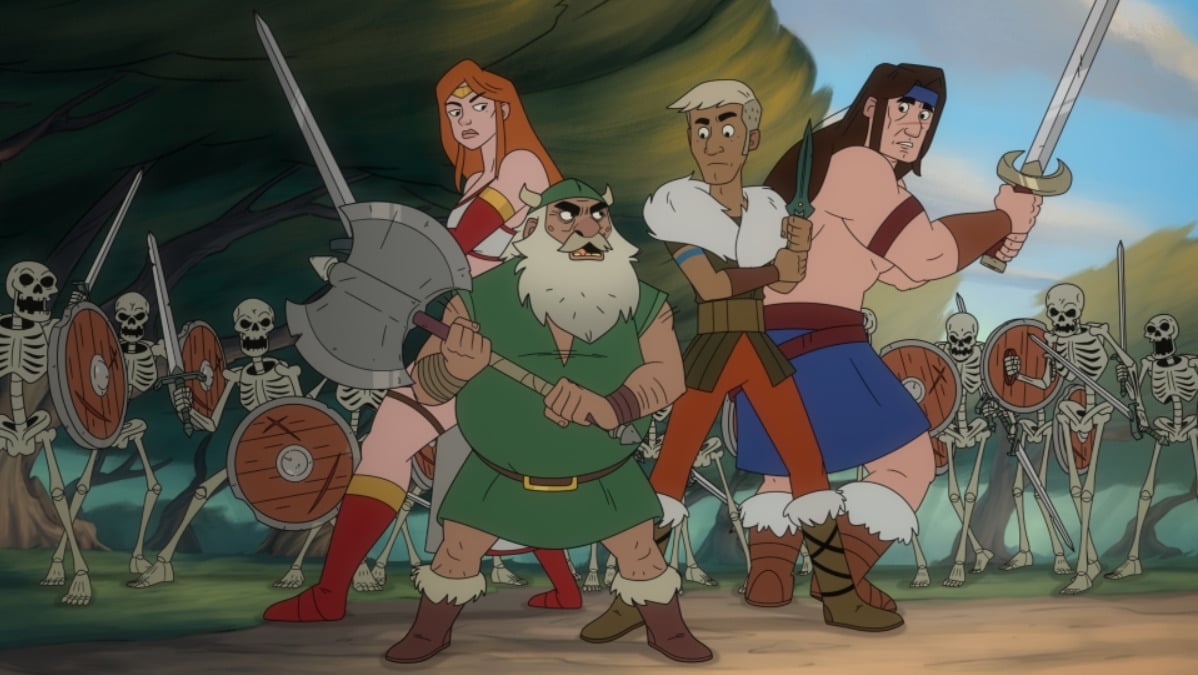
Sega's Golden Axe animated series lands on a streaming platform with a visual identity that frustrates longtime fans expecting something distinctive. The show opts for the same glossy, semi-realistic 3D aesthetic that dominates contemporary animated streaming productions, abandoning the genre-fantasy art direction that defined the original arcade game's aesthetic.
The 1989 Golden Axe arcade cabinet featured bold pixel art and a pulpy sword-and-sorcery vibe that recalled fantasy paperback cover paintings. The game's visual language prioritized atmosphere and stylization over technical fidelity. That approach shaped the entire franchise's identity across decades of sequels, reboots, and spinoffs.
The new animated adaptation instead embraces the streaming-animation template established by properties like Castlevania, Arcane, and Daria's spiritual successors. Smooth character models, soft lighting, and digital painting techniques dominate. The result looks competent but generic. Viewers report that the series could be renamed, retitled, and distributed as almost any fantasy property with minimal aesthetic friction.
Fans on social media expressed disappointment that Sega missed an opportunity to commission animation that captured the Boris Vallejo and Frank Frazetta aesthetics those original arcade visuals channeled. That painterly, detailed fantasy approach defined Golden Axe's brand identity. A modern animated series leaning into that direction would have created visual separation from the crowded streaming-fantasy marketplace.
The streaming animation industry faces consistent cost pressures. Studios balance visual ambition against production budgets and delivery schedules. Generic aesthetics reduce animation complexity and accelerate production timelines. Unique visual languages demand specialized direction, training, and revision cycles that inflate budgets.
Golden Axe occupied a relatively modest position in Sega's IP portfolio. The franchise generated modest arcade revenue in the late 1980s and saw diminished relevance after the 32-bit console transition. Reviving it for streaming reflects the industry's current appetite for nostalgia plays and underexploited intellectual property rather than franchise momentum.
The series' visual direction suggests modest budget allocation. Streaming platforms greenlight projects expecting built-in audience interest from IP recognition rather than universal appeal. That calculation allows cost-cutting that unique art direction would challenge. A Vallejo-inspired animation style would demand premium skilled labor and justify higher production budgets than streaming platforms typically authorize for adaptations.
This pattern repeats across contemporary adaptations. Castlevania's anime aesthetic worked partly because anime production already existed as a category with established technical workflows. Most streaming properties default to digital animation approaches that existing vendor networks support efficiently.
The Golden Axe animated series demonstrates a broader problem in contemporary adaptation strategy. Properties with distinctive visual identities often lose those identities during translation to new mediums. Animation offers freedom to preserve or even enhance those qualities. Budget and production-pipeline constraints instead pressure adaptations toward visual conformity.
Fans wanting fantasy animation that channels paperback cover paintings remain underserved by major studio output. Independent animation studios and international producers occasionally explore that aesthetic territory. Major streaming platforms rarely invest in that direction despite substantial nostalgia audiences for those particular visual languages.