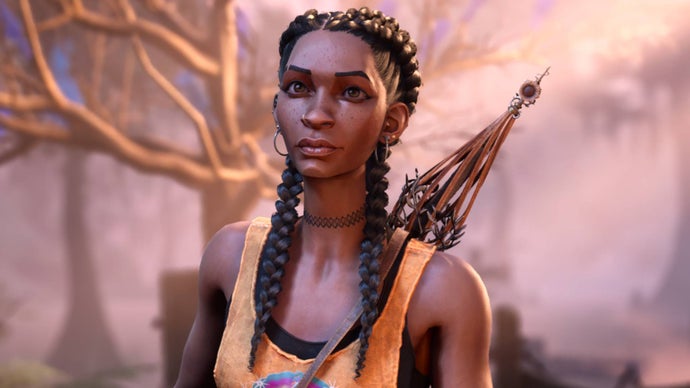
Compulsion Games has completed a management buyout that returns full ownership of the studio to its founders, ending the relationship with Microsoft and Xbox. The independent studio now controls the rights to all original intellectual properties, including We Happy Few and South of Midnight.
South of Midnight launched as an Xbox exclusive in April 2024 after Compulsion Games was acquired by Microsoft in 2018. The game received mixed reception, with critics praising its visual design and folkloric narrative while noting its limited ambition in combat and exploration mechanics. The action-adventure title became a point of contention for Xbox exclusivity advocates, but the buyout changes distribution dynamics moving forward.
The buyout restructures Compulsion Games as a fully independent operation. Founders Alexis Seaborne and Sam Holley now lead the studio without corporate oversight from Microsoft. This shift grants creative freedom but also removes the financial backing of a major publisher. The studio previously developed We Happy Few, a dystopian survival game released in 2018 that attracted a dedicated community despite launching in early access before full release.
Compulsion Games signaled a deliberate approach to future projects. In statements regarding the transition, studio leadership emphasized patience and measured development cycles rather than rushing toward new releases. This reflects the realities facing independent studios post-acquisition. The management buyout required securing funding and renegotiating terms with Microsoft, a process that typically spans months or years.
The timing coincides with broader industry consolidation concerns. Microsoft acquisitions of studios like Bethesda and Activision Blizzard drew scrutiny from regulators, making smaller buyouts less visible but still meaningful. Compulsion Games' return to independence represents a rare reversal of consolidation trends, though the studio faces pressure to compete without corporate resources.
South of Midnight can now be purchased on platforms beyond Xbox Game Pass and Xbox consoles, potentially expanding its audience. The game sits between critical appreciation and commercial uncertainty, making multiplatform availability potentially vital for financial sustainability. PC and PlayStation releases remain possibilities under independent operation.
The studio's ownership of We Happy Few and South of Midnight intellectual property opens doors for sequels, remasters, or multimedia adaptations without requiring Microsoft approval. This creative autonomy attracts independent developers seeking to build long-term franchises under their own terms.
Industry observers note that management buyouts remain rare in gaming. Most acquisitions remain permanent, with founders either staying under contract or departing entirely. Compulsion Games' successful separation suggests a model other acquired studios might pursue, though negotiating buyout terms with major publishers presents substantial obstacles.
Looking ahead, Compulsion Games faces the typical indie studio challenges. Self-publishing carries higher financial risk than working with Microsoft Game Pass infrastructure. The studio must prove it can sustain operations while developing new titles. The deliberate pace signals realistic expectations about resources and timelines rather than bravado.
The buyout represents creative reclamation for Compulsion Games founders. Whether that independence translates to commercial success depends on execution. The studio now controls its future entirely, without corporate mandates or platform exclusivity requirements shaping development priorities.