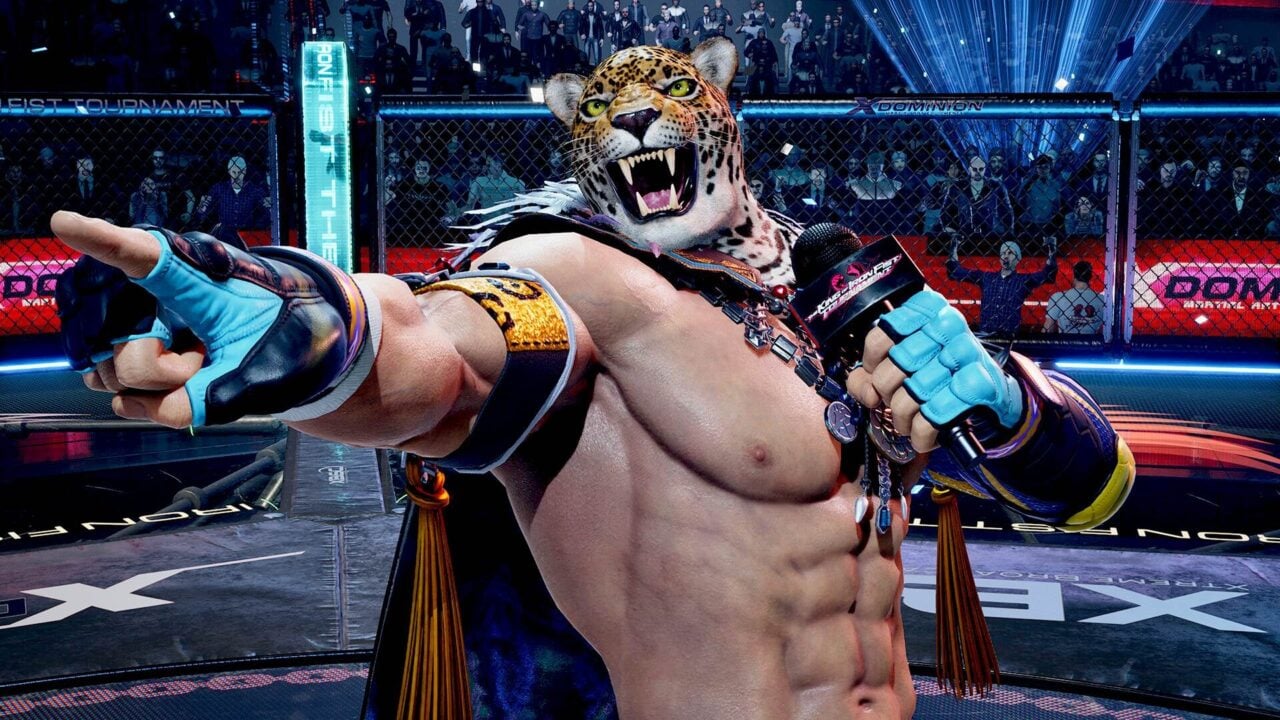
SNK, the legendary fighting game house behind Metal Slug and The King of Fighters, faces mounting financial pressure even as it recruits top talent from Bandai Namco. The company reported widening deficits and organizational strain, but doubled down on its fighting game division by bringing Tekken director Kohei Ikeda into the fold.
Ikeda's arrival signals SNK's bet on the fighting game genre as a path to stabilization. His track record directing Tekken 7 and Tekken 8 makes him one of the most accomplished fighting game directors in the industry. Tekken 8 shipped in January 2024 to strong critical reception and solid sales numbers, cementing Ikeda's credibility. SNK wants that expertise applied to its own fighters, which have struggled to maintain the competitive and casual momentum they once owned.
The timing reflects desperation wrapped in strategy. SNK's financial troubles stem from a combination of failed projects, underperforming titles, and a studio culture that fractured during COVID-era transitions. The company's domestic Japanese market share eroded as players migrated to Street Fighter 6, which Capcom launched in 2023 to critical acclaim and commercial success. SNK's The King of Fighters XV released in 2021 but failed to break through the noise. Garou: Mark of the Wolves 2 sits in development limbo. Meanwhile, older IPs like Samurai Shodown saw diminishing returns after its 2019 relaunch.
The fan base fragmentation Kotaku cites reflects real divisions. Longtime SNK loyalists remain invested in The King of Fighters and Metal Slug legacy content. Newer players gravitate toward Capcom's Street Fighter or Arc System Works' Guilty Gear Strive. SNK occupies an uncomfortable middle ground: too niche for mass appeal, but not specialized enough to own a dedicated vertical the way Arc System Works commands the anime fighter space.
Ikeda's hire targets The King of Fighters XV's successor, which sources suggest is in early development. His experience scaling Tekken's online features, rollback netcode implementation, and esports infrastructure could address SNK's technical deficits. Tekken 8's frame data transparency and beginner-friendly mechanics attracted new players without alienating pros. SNK needs that bridge.
The broader industry context matters. Fighting games recovered from near-extinction between 2015 and 2018. Street Fighter 6's $40 million budget and crossover appeal proved the genre viable again. Tekken 8 followed suit. Now smaller players must choose: chase AAA investment or occupy niches that afford profitability at lower scale. SNK historically owned the anime and pixel art fighter space but surrendered ground through inconsistent releases and platform support.
SNK's financial statement showed operating losses that accelerated year-over-year. The company laid off staff, restructured divisions, and cut executive compensation in 2023. Ikeda's recruitment costs money SNK doesn't comfortably have. That's the calculus: spend aggressively on talent now or watch market position erode further. The company's arcade heritage and IP depth retain value, but execution remains uncertain. Ikeda inherits a studio with divided morale and a fanbase questioning whether SNK still understands what made its fighters special.