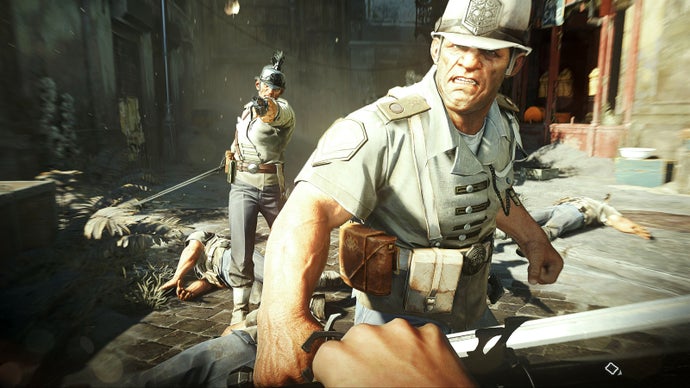
Arkane Studios director Harvey Smith pushes back against the industry narrative that immersive sims are dead, arguing that constant questioning about the genre's viability becomes self-fulfilling. Smith, who directed the acclaimed Dishonored series, challenges the premise itself. Asking whether immersive sims can succeed at scale plants doubt in publishers' minds and discourages investment in the genre.
The comments arrive as the industry debates the commercial viability of first-person immersive sims. Earlier this month, an original Thief: The Dark Project designer concluded that triple-A immersive sims don't work economically. That sentiment reflects decades of industry skepticism. Games like Dishonored 2 and Prey proved critical darlings but faced commercial pressure. Publishers treat the genre as niche despite its dedicated fanbase.
Smith's intervention matters because Arkane Studios has shipped some of the most successful modern immersive sims. Dishonored redefined stealth-focused design with player choice and environmental storytelling. Dishonored 2 expanded that framework across two characters with distinct abilities. Prey, Arkane's sci-fi immersive sim, offered unprecedented environmental interaction and multiple solutions to encounters.
The real issue Smith identifies isn't whether players want immersive sims. Instead, it's whether publishers believe enough players want them to justify development budgets. Those budgets exploded over the last decade. A 2024 immersive sim costs more than a 2010 one. Publishers demand broader audiences to justify the spend.
Smith's argument cuts both ways. Yes, constant questioning creates negativity. But the market data remains brutal. Dishonored 2 underperformed expectations despite critical acclaim. Prey barely broke even. Those outcomes scare publishers away from greenlight decisions.
The genre survives in indie spaces and smaller