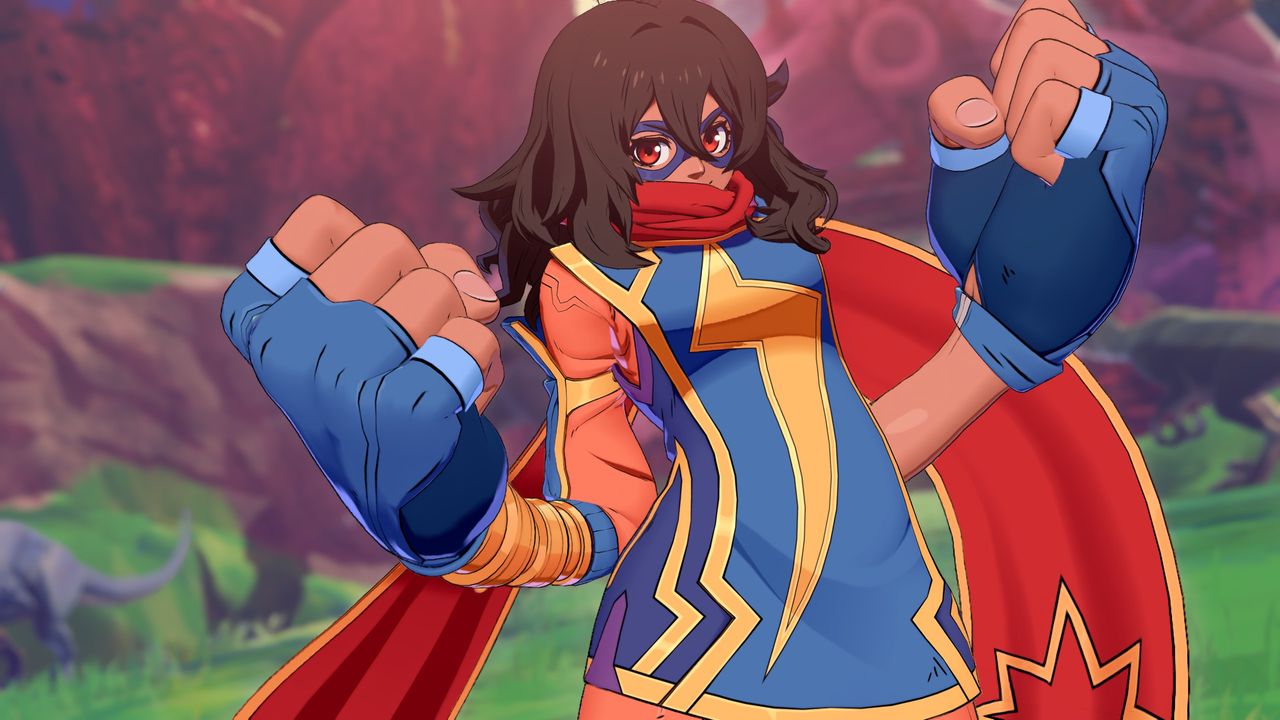
Marvel Tōkon demonstrates how fighting games can teach complex mechanics through elegant design. The title's combo trials strip away unnecessary complexity, presenting players with straightforward challenges that build fundamentals without overwhelming newcomers.
Rather than drowning players in lengthy tutorials or relegating learning to external guides, Marvel Tōkon embeds instruction into gameplay itself. The combo trials function as a natural progression system. Early challenges teach basic inputs and timing. Later trials layer in advanced concepts like cancels, links, and positioning. This scaffolding approach respects player intelligence while maintaining accessibility.
The effectiveness lies in simplicity. Each trial isolates a single mechanic or combo string, letting players focus on mastery before moving forward. No bloat. No busywork. The game trusts that practice breeds competence.
This design philosophy addresses a persistent problem in the fighting game space. Titles like Street Fighter 6 have made strides with modern tutorials, but many competitive fighters still assume players arrive with prior knowledge. Marvel Tōkon's approach demonstrates that teaching mechanics and maintaining player agency aren't mutually exclusive.
The broader industry has taken notice. As fighting games compete for audience share beyond hardcore enthusiasts, onboarding quality separates winners from dead-on-arrival releases. Games that lower entry barriers without sacrificing depth attract larger rosters and healthier online communities.
Marvel Tōkon's combo trials won't revolutionize the genre. What they do is prove that elegant solutions exist. Fighting game developers can teach effectively without resorting to condescension or excessive handholding. The model deserves replication across the industry, particularly in upcoming releases from Arc System Works, Capcom, and Bandai Namco.
Players want to engage their brains. Marvel Tōkon respects that desire while clearing the path toward competence.