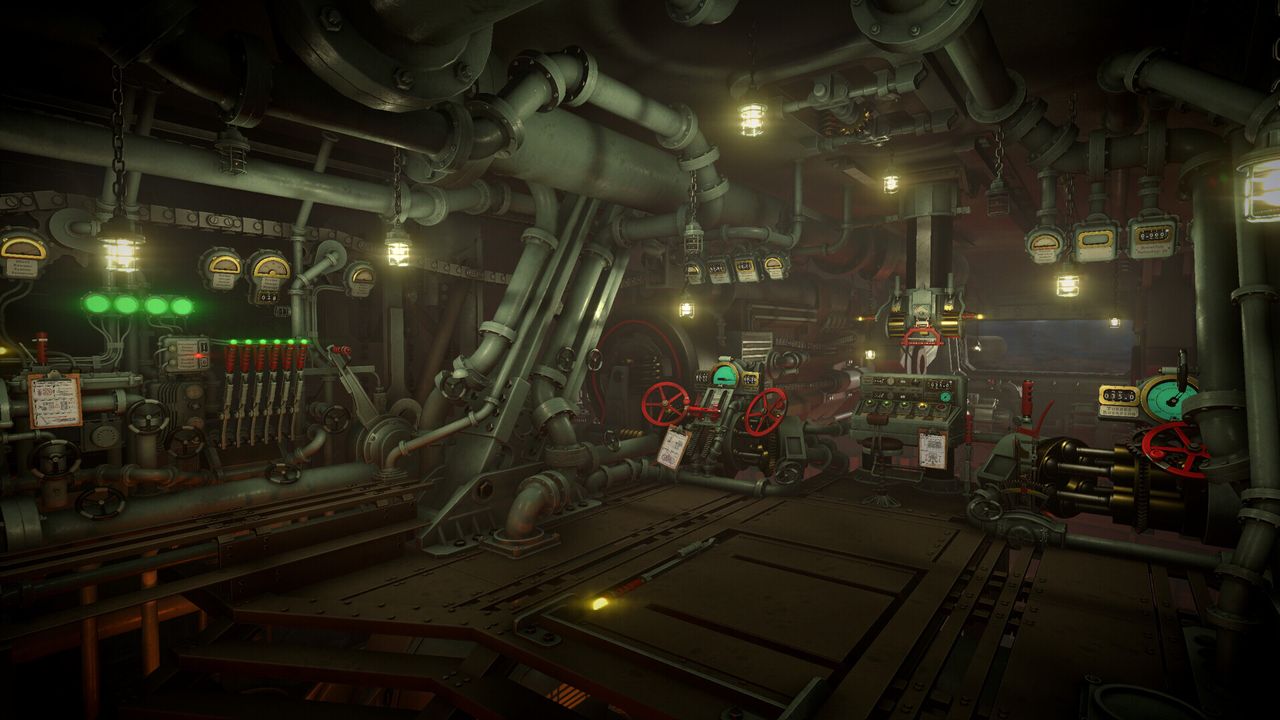
Iron Nest strips away the naval warfare aesthetics of Battleship to deliver pure grid-based tactical combat. The game keeps the core mechanic—locating hidden opponents and launching attacks on a gridded board—but abandons ships entirely for a more abstract puzzle-strategy experience.
PC Gamer's reviewer found Iron Nest refreshingly engaging, praising its emphasis on deduction and planning. Rather than placing vessels and hoping for lucky shots, players must analyze patterns, deduce enemy positions, and execute calculated firing strategies. The stripped-down approach removes the randomness that plagued traditional Battleship, replacing it with skill-based gameplay that rewards strategic thinking.
The game's appeal lies in its clarity. Without the visual clutter of different ship types and size restrictions, players focus purely on map control and information gathering. Each move becomes a deliberate choice rather than a guessing game. This shift transforms what could feel dated into something contemporary and engaging for strategy fans.
Iron Nest demonstrates how revisiting classic game concepts through modernized design yields stronger results. The removal of unnecessary systems—the boats themselves—forces developers to sharpen what actually matters. Deduction becomes the game's skeleton, and firing solutions become the real puzzle.
The title's success suggests a market appetite for turn-based strategy that demands careful thought rather than blind luck. In an era of real-time action and resource management complexity, Iron Nest proves that elegant simplicity can compete with feature-bloated alternatives. Games that respect player intelligence and reward planning continue finding audiences.
Iron Nest doesn't need boats to prove Battleship's concept remains viable. It just needed developers willing to strip away tradition and sharpen what endures.