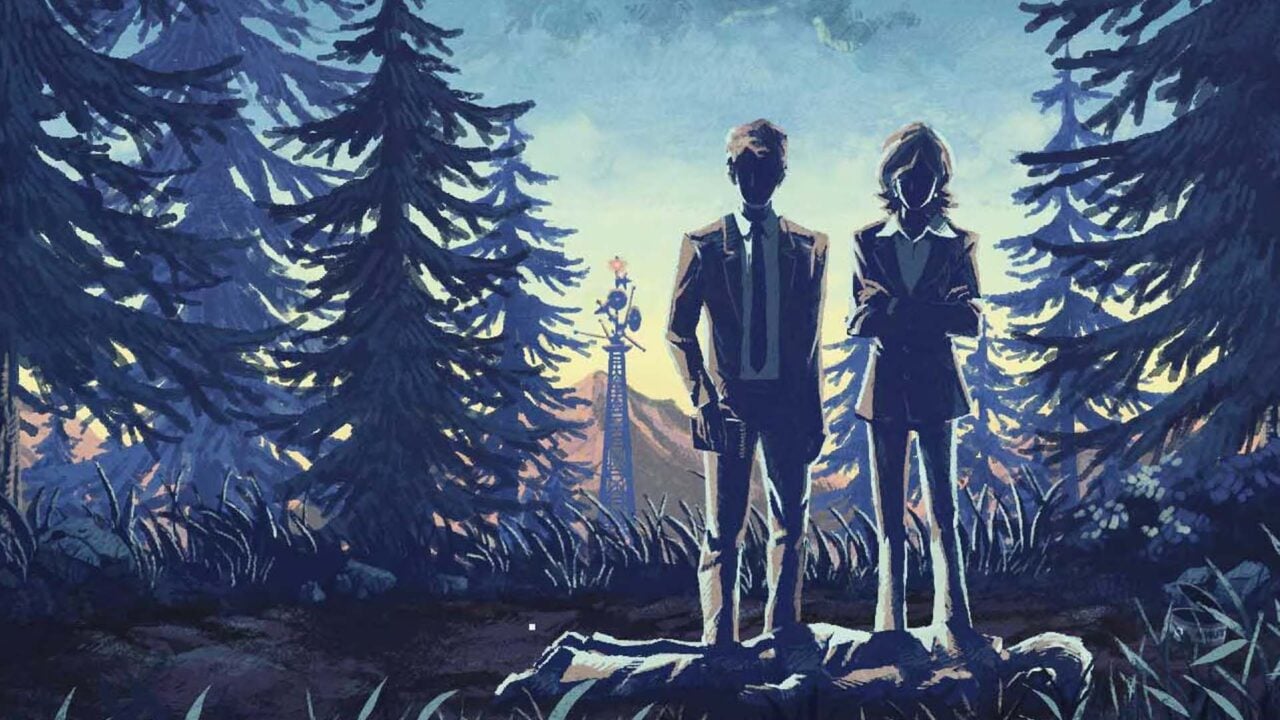
Ron Gilbert, the legendary designer behind The Secret of Monkey Island and Maniac Mansion, is developing Thimbleweed Park 2 with backing from a private investor who wanted to ensure the game got made without the complications of traditional publisher involvement.
Gilbert announced the project's funding structure in a recent update, revealing that a wealthy fan of classic point-and-click adventure games stepped in to finance development. This arrangement bypasses the typical publisher relationship that has frustrated Gilbert throughout his career. The designer has been vocal about problematic contracts and creative control issues with major publishers, making this independent funding model a significant shift for a project of this scale.
Thimbleweed Park 2 marks the spiritual successor to 2017's Thimbleweed Park, Gilbert's love letter to the golden age of LucasArts adventure games. That original game launched on PC, iOS, and console platforms and found a dedicated audience among players hungry for traditional point-and-click design in an era dominated by action games and multiplayer experiences.
The original Thimbleweed Park received strong critical reception for its witty writing, puzzle design, and nostalgic gameplay mechanics that harked back to classics like Monkey Island and Day of the Tentacle. The game proved there was commercial viability in this dormant genre, though it existed in a niche market outside mainstream AAA budgets.
By securing private funding, Gilbert gains creative autonomy and avoids the middleware demands, oversight committees, and contract disputes that have defined his relationship with major publishers. This arrangement reflects a broader industry trend where veteran designers and independent studios increasingly seek alternative funding through private investors, crowdfunding, or self-publishing rather than accepting traditional publisher terms.
The investor's willingness to fund Thimbleweed Park 2 speaks to the enduring fan base for Gilbert's work and the proven appetite for classic-style adventure games. Recent indie successes like Return to Monkey Island, developed by Terrible Toybox with Devolver Digital's support, demonstrated that point-and-click adventures still resonate with players despite decades of dormancy in the mainstream market.
Thimbleweed Park 2's production timeline and release platforms remain unconfirmed, though the original game's multi-platform approach suggests similar distribution across PC and console systems is likely. The private funding model also means no publisher-driven pressure to hit specific release windows or quarterly earnings targets.
This funding arrangement represents a victory for Gilbert after years of navigating adversarial publisher relationships. Rather than compromising on design vision or accepting unfavorable contract terms, he secured financial backing that prioritizes the project's creative integrity. For players, this means Thimbleweed Park 2 will reflect Gilbert's uncompromised vision for modern point-and-click adventure design, free from publisher-mandated feature bloat or market-chasing mechanics.
The project joins a growing roster of classic adventure games finding new life through non-traditional funding and publishing models, signaling that legacy franchises and genre revivals can thrive outside the AAA publisher system.