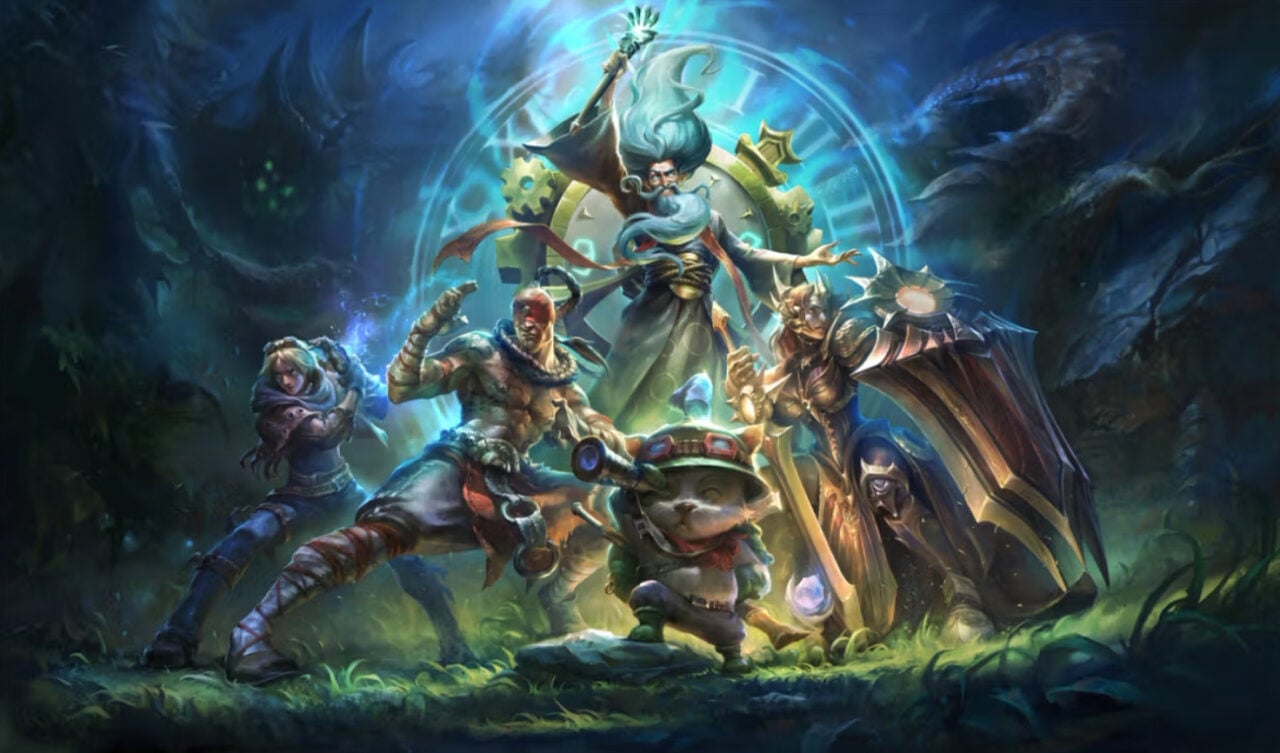
Riot Games reversed its monetization strategy for League of Legends Classic after players rejected paid cosmetics in the nostalgic retro version. The company initially planned to charge for skins in the throwback client, which recreates the game's 2009 state before major visual overhauls. Community pushback forced Riot to make all skins free instead.
League of Legends Classic targets veterans nostalgic for the game's early era. The project recreates champion designs, item icons, and UI elements from the original release, offering a pure preservation experience alongside the modern live client. Skins represent the only cosmetic layer available in this version, making monetization decisions high-stakes for player goodwill.
Riot's initial paid skin approach clashed with the retro project's philosophy. Players viewed cosmetics in a historical recreation differently than in the live game. Charging for skins in a version explicitly designed to celebrate the game's past felt extractive to the community. The backlash reflected deeper sentiment about monetization fatigue in League, where cosmetics already command premium prices on the current client.
This reversal aligns with Riot's larger strategy around League of Legends nostalgia. The company has leaned into legacy content and veteran engagement as the game enters its second decade. Making Classic skins free removes friction for players testing the retro experience and strengthens the preservation narrative. It positions Riot as valuing community history over short-term cosmetic revenue.
The decision carries industry implications. Major publishers increasingly monetize legacy and remaster projects, treating them as separate revenue streams. Riot's choice to forgo paid cosmetics in Classic suggests player sentiment against double-dipping runs stronger than anticipated. For other studios considering retro spin-offs or classic versions, the lesson lands clear: cosmetics in historical recreations face tighter scrutiny than those in current live games.
League of