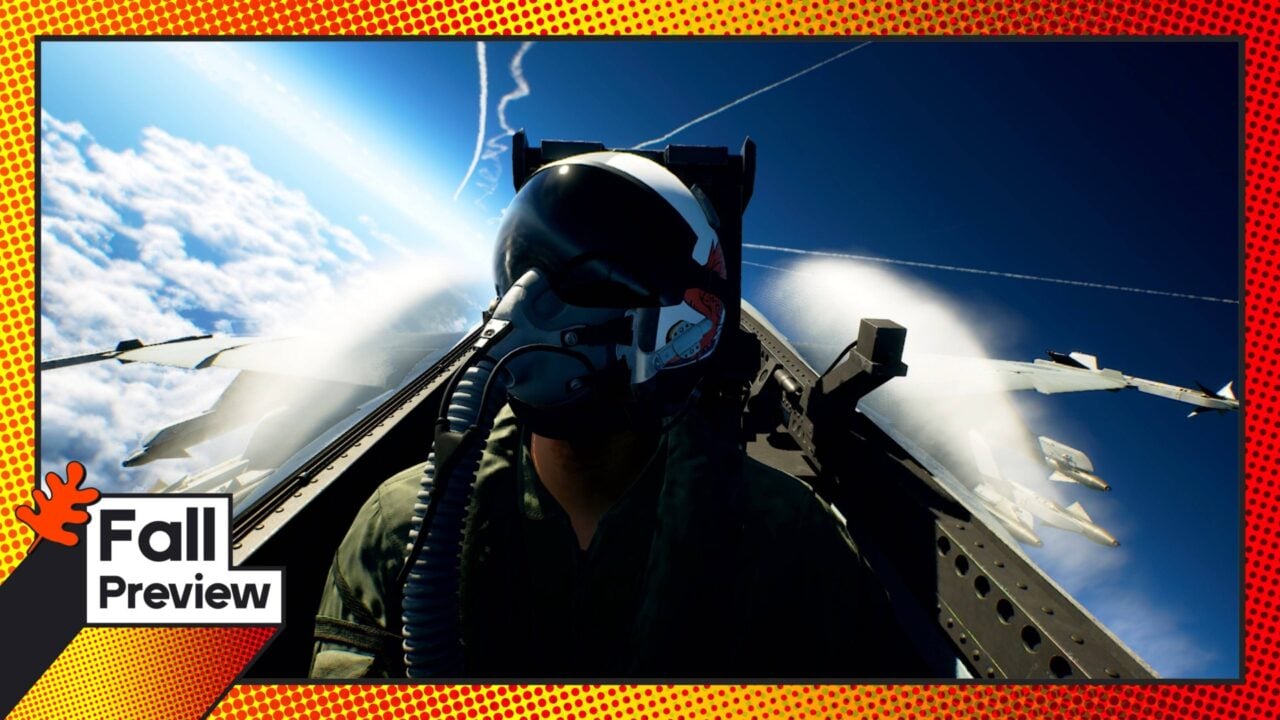
Bandai Namco launches Ace Combat 8: Wings of Thebes after a seven-year gap since Ace Combat 7: Skies Unknown released in 2019. The new entry marks the franchise's most ambitious outing to date, scaling up gameplay systems, narrative scope, and technical ambition across all platforms.
Ace Combat 7 launched on PlayStation 4, Xbox One, and PC in February 2019, becoming a successful return to form for a franchise that had struggled with relevance in the mid-2010s. The game shipped with robust online multiplayer, a lengthy campaign featuring the fictional Osean-Erusean war, and the series' signature fast-paced aerial combat. That seven-year gap represents the longest wait between mainline entries since the franchise's early 2000s renaissance. Bandai Namco spent that time developing Ace Combat 8 from the ground up, targeting modern hardware including PlayStation 5, Xbox Series X/S, and PC.
Wings of Thebes takes the conflict to new fictional territories with expanded multiplayer modes, refined flight mechanics, and a campaign that Bandai Namco claims pushes narrative ambition further than any previous game. The studio rebuilt core systems to leverage current generation console power. Visual fidelity jumps significantly, with enhanced aircraft detail, dynamic weather affecting gameplay, and destruction physics that influence mission outcomes. Multiplayer receives particular attention, with the developers expanding squadron-based modes and adding cooperative campaign options alongside competitive ranked play.
The flight combat genre itself has remained mostly dormant during the seven-year wait. War Thunder and DCS World serve PC's simulation crowd, but console players lacked major AAA aerial combat experiences. This absence creates an opening for Ace Combat 8 to dominate the space. The game's arcade-leaning approach contrasts sharply with hardcore simulation titles, targeting players who want responsive controls and constant action over realistic flight physics.
Bandai Namco positions Wings of Thebes as a statement of confidence in the franchise's future. Marketing emphasizes the campaign's cinematic presentation, character-driven storytelling, and the return of memorable antagonists from previous games. The studio commissioned new music, expanded the lore wiki substantially, and secured licensing for real aircraft alongside fictional designs.
This timing carries industry weight. Console cycles typically span seven to eight years, meaning Ace Combat 8 arrives when developers have fully mastered PS5 and Xbox Series X architecture. Bandai Namco's willingness to wait and invest suggests the publisher believes aerial combat remains viable at AAA scale, a bet that contradicts the current market's focus on live-service games and battle royales. The game releases across all major platforms simultaneously, avoiding exclusivity deals and maximizing audience reach.
Player reception to franchise announcements has been overwhelmingly positive. The Ace Combat community remained active throughout the seven-year gap, creating mods for Ace Combat 7, discussing lore, and demanding a sequel. Wings of Thebes directly acknowledges this fanbase through callbacks and character returns while introducing new pilots and conflicts.
Ace Combat 8: Wings of Thebes represents a rare gamble in modern publishing. Bandai Namco invested heavily in a niche franchise with no guaranteed mainstream appeal. The game either revitalizes aerial combat as a viable AAA genre or becomes a cautionary tale about supporting obscure franchises. Release reception will determine whether other publishers green-light dormant IPs or continue prioritizing established franchises with guaranteed audiences.