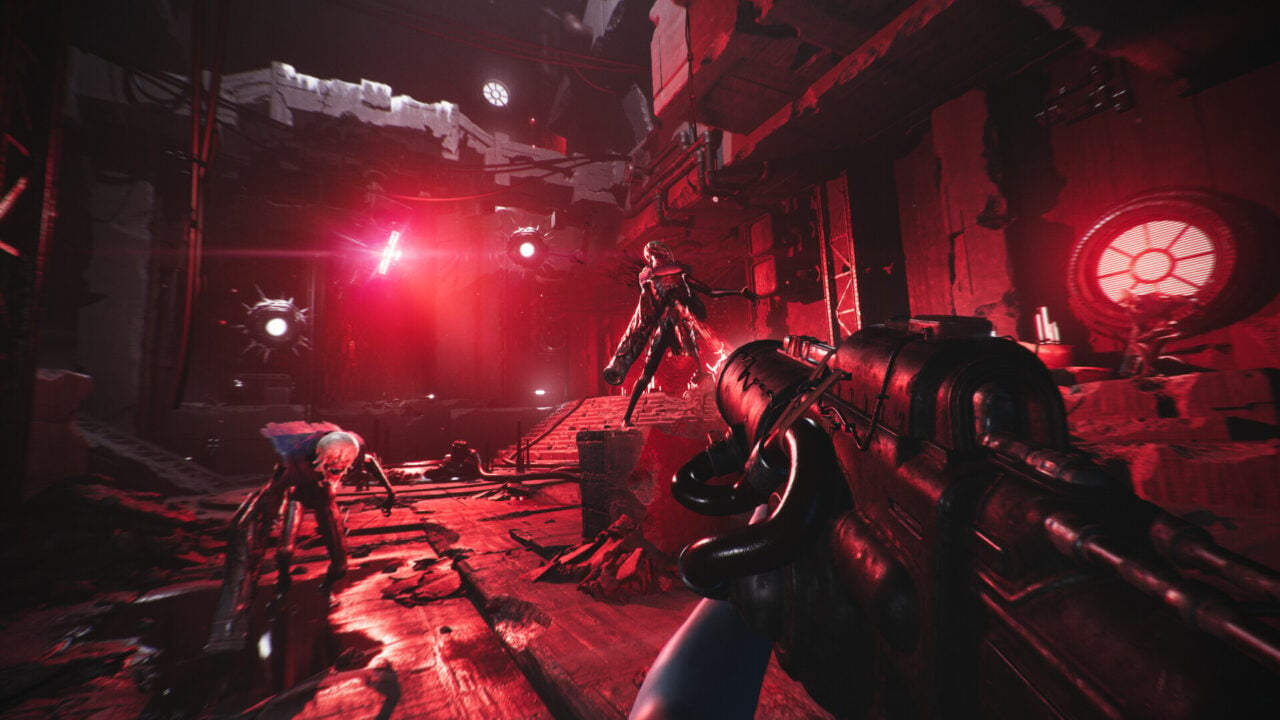
A studio behind an acclaimed cosmic horror shooter has shut down less than 30 days after launching the game on Game Pass. The closure represents a stunning collapse for a project that arrived with critical praise and platform support from Microsoft.
The timing raises hard questions about the game's commercial performance and the sustainability model for mid-tier releases on subscription services. Landing on Game Pass typically guarantees immediate player access but offers uncertain monetization compared to traditional sales. The studio's rapid shutdown suggests the game failed to generate sufficient revenue, even with Microsoft's backing and the subscriber base Game Pass provides.
This mirrors a pattern in the industry where acclaimed titles struggle financially despite critical success. Game Pass offers reach but dilutes the financial return per player. For independent and mid-sized studios operating on tight budgets, Day One Game Pass placement can look attractive upfront but become unsustainable if player engagement and ancillary revenue don't materialize quickly.
The cosmic horror shooter genre has seen renewed interest over the past few years, with franchises like GTFO and content creators driving discovery. However, niche genres face harder discoverability battles even on Game Pass. A game can be universally praised and still miss its audience in a saturated subscription library.
The studio's dissolution within weeks of launch suggests operational strain beyond just the game itself. Development costs for a polished, critically-regarded shooter run high. Publisher support apparently failed to sustain the studio through launch window volatility.
This closure should concern developers considering Game Pass as a primary revenue source. The platform offers visibility but not guaranteed financial stability, especially for studios without diversified income or established franchises. Indie and mid-tier developers face increasing pressure to prove commercial viability almost immediately, even when critical reception validates their work. The gap between critical acclaim and financial success continues widening in modern gaming.