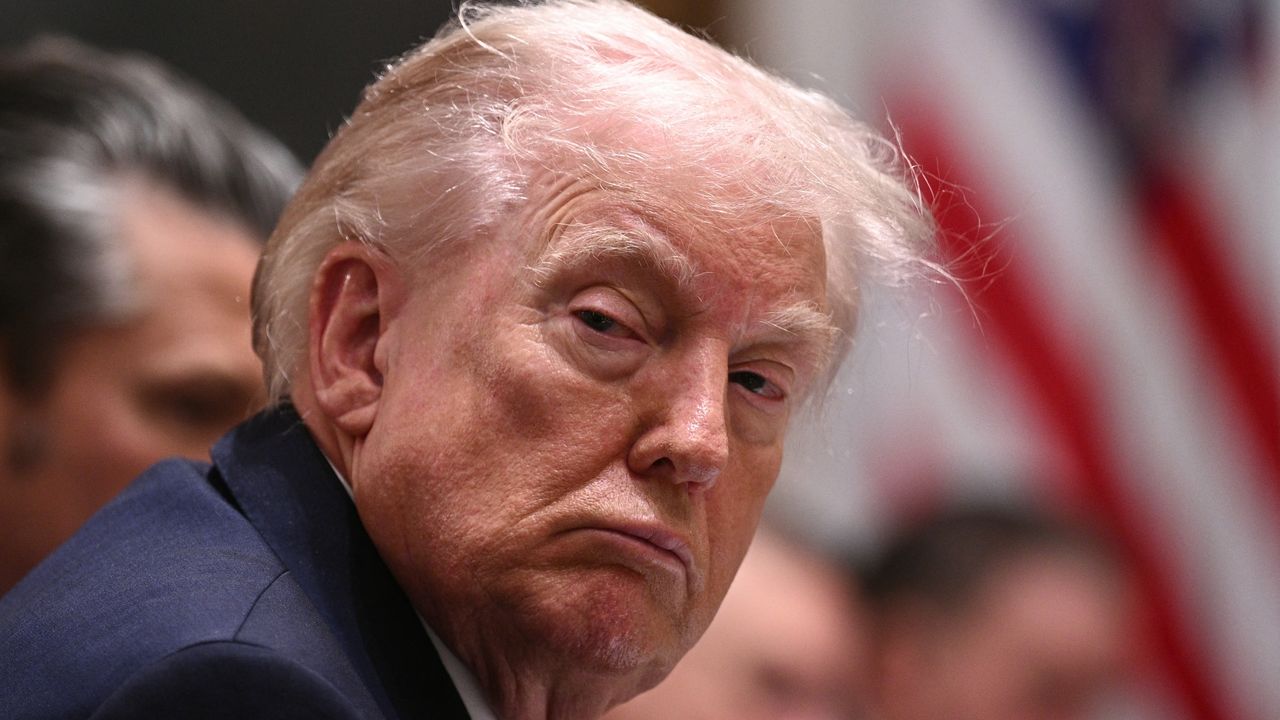
Donald Trump announced on Truth Social that Apple has agreed to manufacture chips domestically using Intel, marking a potential shift in semiconductor production away from Taiwan and South Korea. The claim remains unverified, with no official statement from Apple or Intel confirming the agreement.
If accurate, this represents a major development for U.S. chip manufacturing. Apple currently sources its custom silicon from TSMC in Taiwan, relying on the foundry for M-series processors powering MacBooks, iPads, and other devices. Intel, meanwhile, has struggled to regain market share in high-performance chip design and has faced manufacturing challenges at its Arizona and Ohio fabs.
The geopolitical angle matters here. Trump has consistently pushed for nearshoring semiconductor production to reduce American dependence on Asian foundries, a position shared by the Biden administration through CHIPS Act subsidies. Moving Apple's chip production to U.S. soil would represent the most significant reshoring victory yet, given Apple's dominance in premium computing markets.
However, skepticism abounds. Apple has invested heavily in TSMC relationships and securing advanced node capacity. Intel's current manufacturing capabilities lag behind TSMC in process technology, and retraining Apple's chip architecture for Intel's fabs presents technical and financial hurdles. No formal announcement has come from either company, which raises questions about the claim's substance.
The timing also invites scrutiny. Trump frequently makes unilateral announcements on social media without securing binding commitments beforehand. Until Apple and Intel issue official confirmations with timelines and specifications, this remains a claim rather than confirmed fact.
The semiconductor industry watches closely. A genuine Apple-Intel partnership could reshape chip supply chains, but it requires far more than a social media post to become reality. Both companies have economic incentives to explore domestic manufacturing, yet the technical and cost barriers remain steep.