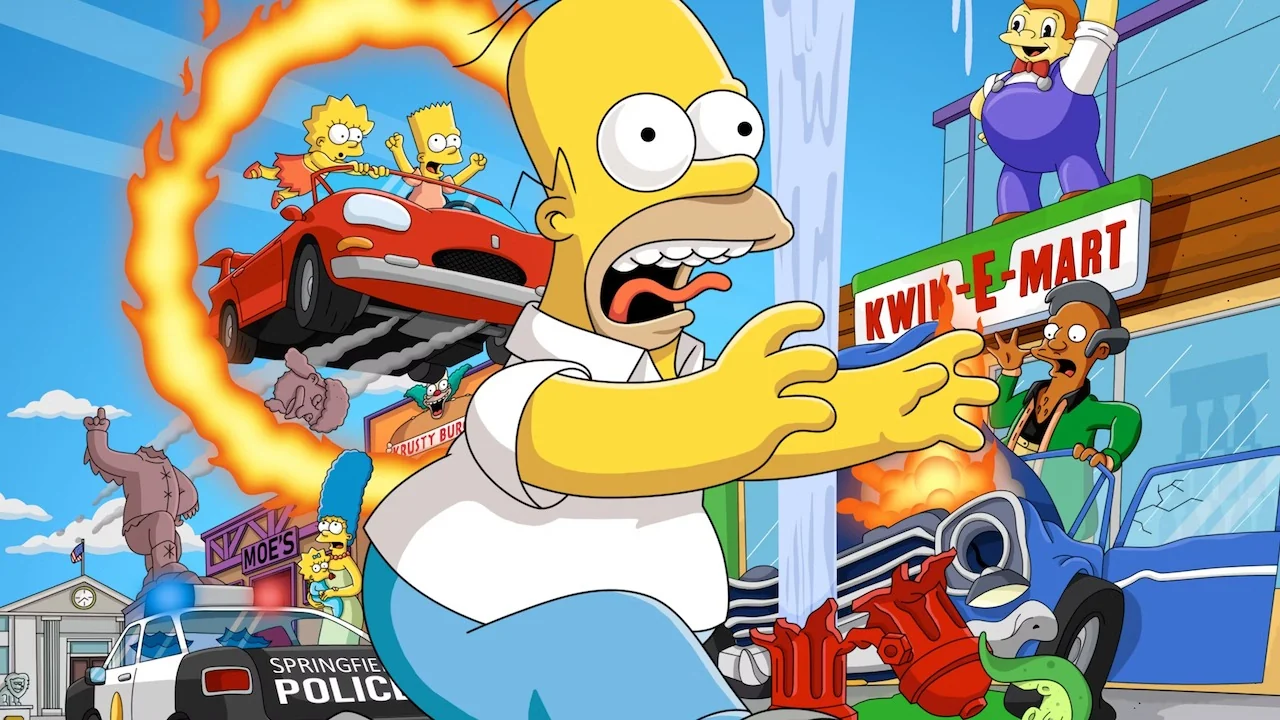
When Radical Entertainment reformed as Radical Games earlier this year, there was genuine excitement among fans about what the studio might create next. That optimism was fueled by comments from Simpsons creator Matt Groening at D23, who suggested that the beloved PS2-era classic The Simpsons: Hit & Run might be making a comeback. For a moment, it felt like the industry might actually listen to what players have been asking for. Then came the reality check.
Studio head Darren Evenson announced on LinkedIn that an unannounced project at the studio had been canceled, describing it as a 'fantastic project with an absolutely incredible team.' While Evenson didn't explicitly confirm it was a Simpsons: Hit & Run remake, the timeline and context make it difficult to believe otherwise. His frustration was palpable: 'Oh, you silly suits with spreadsheets… will you EVER learn? If you don't make the game, you can't make the money… and if you don't make the money, then you don't get the power.' It's a pointed critique, and he's absolutely right.
The logic being applied by decision-makers here is baffling. The Simpsons: Hit & Run has never been ported to current platforms and would be an obvious candidate for a remaster amid the current wave of retro revivals. Players have been clamoring for it for over two decades. Groening himself seemed ready to announce its return before Simpsons showrunner Matt Selman interrupted him with an 'or not,' suggesting the project was meant to stay confidential. This wasn't some speculative passion project—it was real, it was happening, and someone decided it wasn't worth making.
This cancellation isn't isolated. The original version of Radical Entertainment had worked on a Simpsons: Hit & Run 2 and a Scarface 2 before the studio became an Activision support studio. These projects died too. Meanwhile, the industry continues to greenlight yet another live-service shooter, another battle royale, another predictable sequel designed by algorithm rather than passion.
The spreadsheet mentality Evenson criticized assumes that only the safest, most commercially obvious projects deserve funding. But that philosophy has become a self-fulfilling prophecy: when studios cancel the games audiences actually want, those games can't prove their commercial viability. We're left with a narrow band of approved concepts while genuinely interesting projects get buried. Until publishers recognize that passion projects with talented teams behind them have intrinsic value—not just theoretical profit margins—we'll keep losing the games that made us fall in love with gaming in the first place.