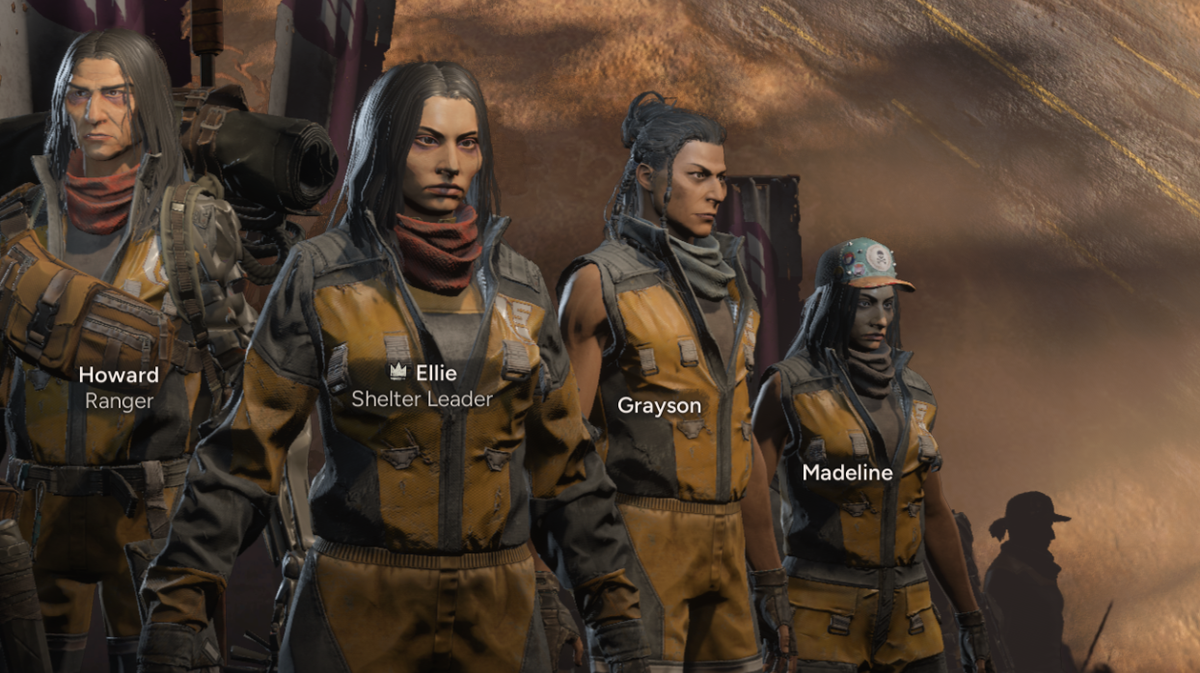
Paradox's post-apocalyptic grand strategy game Afterworld uses a band management system where players don't control a single unified civilization. Instead, players amass a tribe by befriending, conquering, or assimilating individual wasteland bands.
Each band has distinct needs. Generic needs include shelter, nutrition, hydration, medicine, social standing, and security. Custom needs vary by band origin. For example, one band might be vegetarian foragers who refuse dried insects, while another band tracks human flesh consumption. The developers have not forbidden assimilating both types simultaneously.
Band motivation scales based on band size, level, and game state. Different bands prioritize different needs depending on their history and status. A band that experienced extreme hunger values nutrition more highly. A band on the council expects higher social standing. Players choose which bands matter most to their tribe's goals and focus motivation efforts accordingly.
The system tracks the gap between individual band needs and overall tribe policy. Players can station troops in settlements to make bands feel "dominated," increasing their motivation through coercion rather than meeting needs. This allows some bands to be managed with incentives while others are controlled through force.
The developers note this coercion approach carries risk. Forced bands can rebel when the military presence withdraws. The blog describes a scenario where a larger tribe collapses after players sabotage the sedatives that kept lower classes controlled.