The US government announced new tariffs on China, Japan, Vietnam, and EU trading partners, with China facing up to 40% import taxes when duties take effect next year. These tariffs operate under Section 301 of the Trade Act of 1974, bypassing a Supreme Court ruling that previously struck down Trump's first round of tariffs.
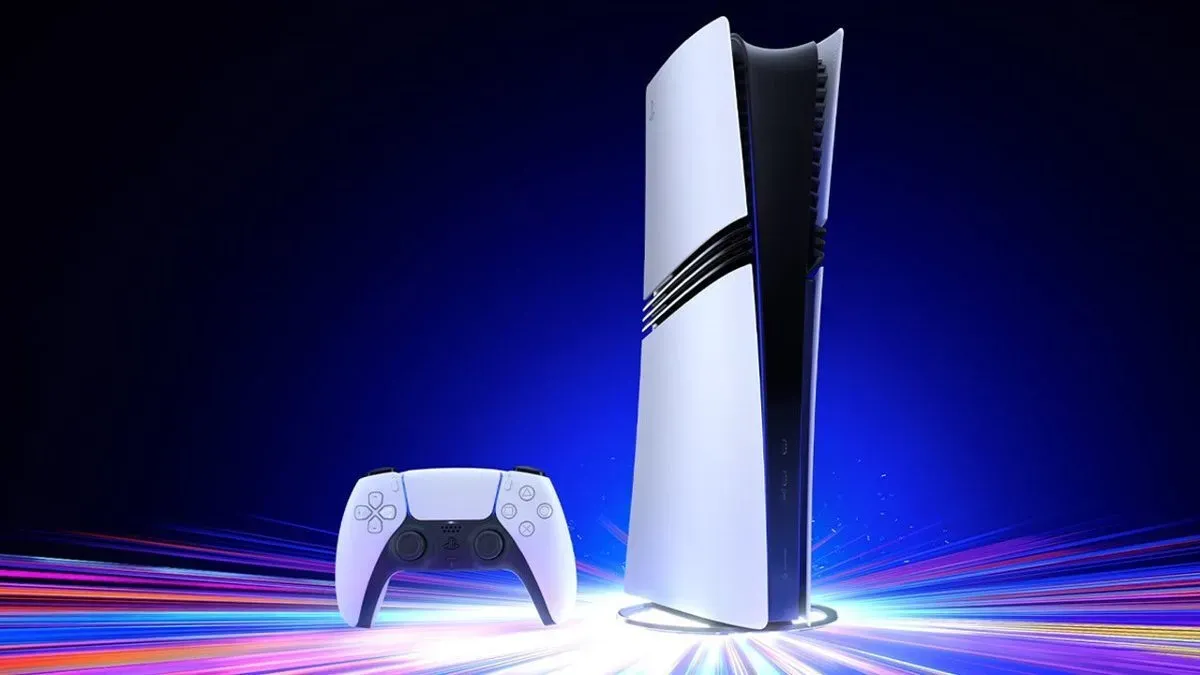
Gaming console makers face renewed pressure on prices. Sony, Microsoft, and Nintendo received tariff refunds after the earlier Supreme Court decision, but did not pass savings to consumers. Sony alone was estimated to receive $508 million in refunds.
The companies have moved final assembly out of China into Southeast Asia, primarily Vietnam, to avoid prior tariffs. However, key components like batteries and power supplies still source primarily from China. If tariffs on these parts rise, production costs will increase for consoles made outside China.
Console prices already rose after June announcements of steep hikes. Microsoft warned Xbox costs could rise again in 2027, and next-generation hardware is expected to be very expensive. If higher import taxes take effect, protecting profits will likely mean consumers cover the difference.
Some electronic goods could face tariff exemptions, and manufacturers often stockpile inventory before tariff deadlines to delay price changes. Rising component costs from the ongoing AI boom add further pressure to hardware pricing.