Grand Theft Auto 6 releases this week, marking the end of an eight-year development cycle. PC players still await a port announcement and release date.
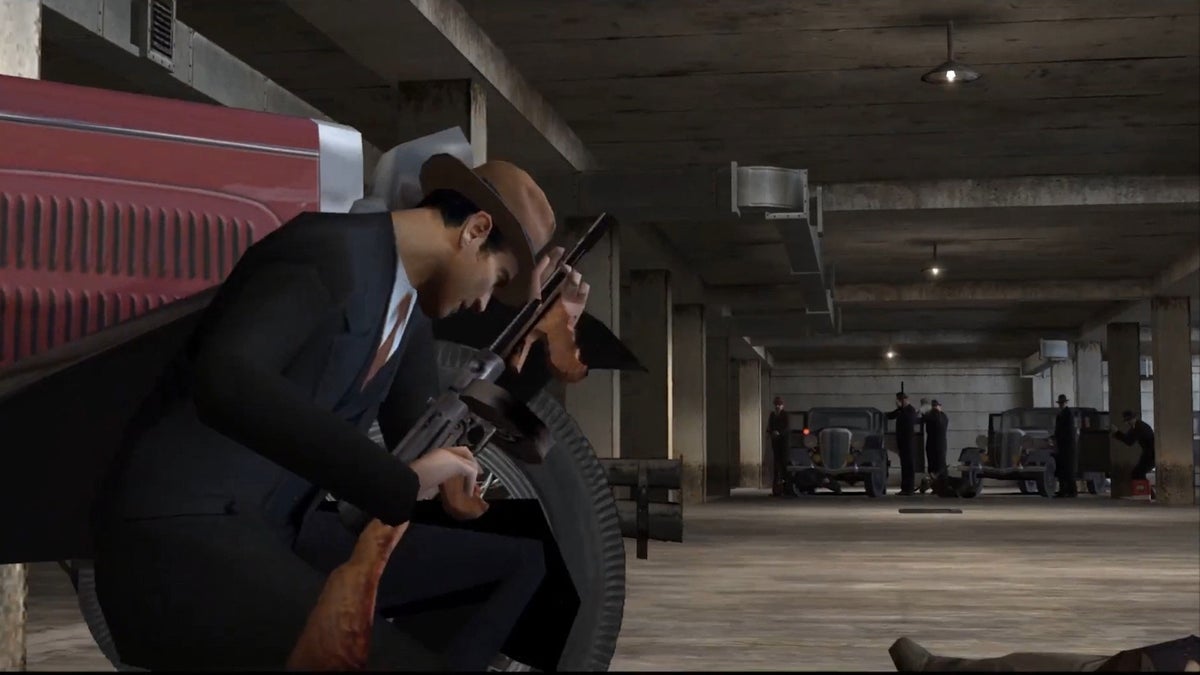
The release prompts comparison to Mafia: City of Lost Heaven, which arrived less than a year after Grand Theft Auto 3. Developed by Illusion Softworks, Mafia set a different template for open-world crime games.
Mafia placed players as Tommy Angelo, rising from taxi driver to enforcer within the Salieri crime family in Lost Heaven, a fictionalized 1930s Chicago. The game drew cinematic influences from The Godfather and Goodfellas while also documenting the Prohibition era. As the game's timeline moved from the 1929 Wall Street Crash through the late 1930s, the city changed around the player. Buildings under construction became completed. Cars evolved from Model-T-inspired vehicles to sleeker designs as the economy recovered.
Lost Heaven enforced traffic rules and speed limits with fines for violations. Streetcars and trams provided public transportation. Guns dumped full magazines when reloaded instead of returning unfired bullets to reserves. Vehicles consumed fuel over distance.
Grand Theft Auto 6 includes similar simulation systems, such as fuel tanks that can run empty, alongside more advanced features like cloud formation and smell reaction systems.
The article notes that while Grand Theft Auto 3 proved more influential on the industry, Rockstar's recent games have moved toward Mafia's approach. GTA protagonists like Niko Belic and Michael de Santa offer greater depth than Claude from GTA 3. The series balances bombastic comedy with character-driven storytelling.
The Mafia series continued with entries like Mafia 3, which set a fictionalized New Orleans during the civil rights movement, forcing the player character Lincoln Clay to face overt racism in wealthy neighborhoods. The 2020 Definitive Edition remake captured the original's spirit while expanding its story.